


Trade representatives from India and South Korea met this week to initiate formal discussions aimed at narrowing a persistent trade deficit through the Comprehensive Economic Partnership Agreement (CEPA). The bilateral talks, held in New Delhi, focused on diversifying trade baskets and establishing structural mechanisms to bolster cooperation in digital trade, supply chain resilience, and critical industrial sectors.
The Context of the India-Korea Trade Relationship
The India-Korea CEPA, which has been in effect since 2010, was designed to catalyze economic growth by lowering tariffs and fostering investment. However, in recent years, India has expressed growing concern over a widening trade gap that heavily favors South Korean exports.
Data from the Indian Ministry of Commerce indicates that the trade deficit has grown significantly, driven largely by high-value imports of electronic components, machinery, and specialized chemicals from South Korea. Both nations are now under pressure to ensure the trade framework remains mutually beneficial amidst a changing global geopolitical landscape.
Strategic Shifts in Cooperation
To address these imbalances, the two delegations have agreed to establish dedicated sub-groups tasked with exploring new avenues for economic synergy. These groups will prioritize digital trade frameworks, which are increasingly vital as both nations seek to digitize their domestic economies.
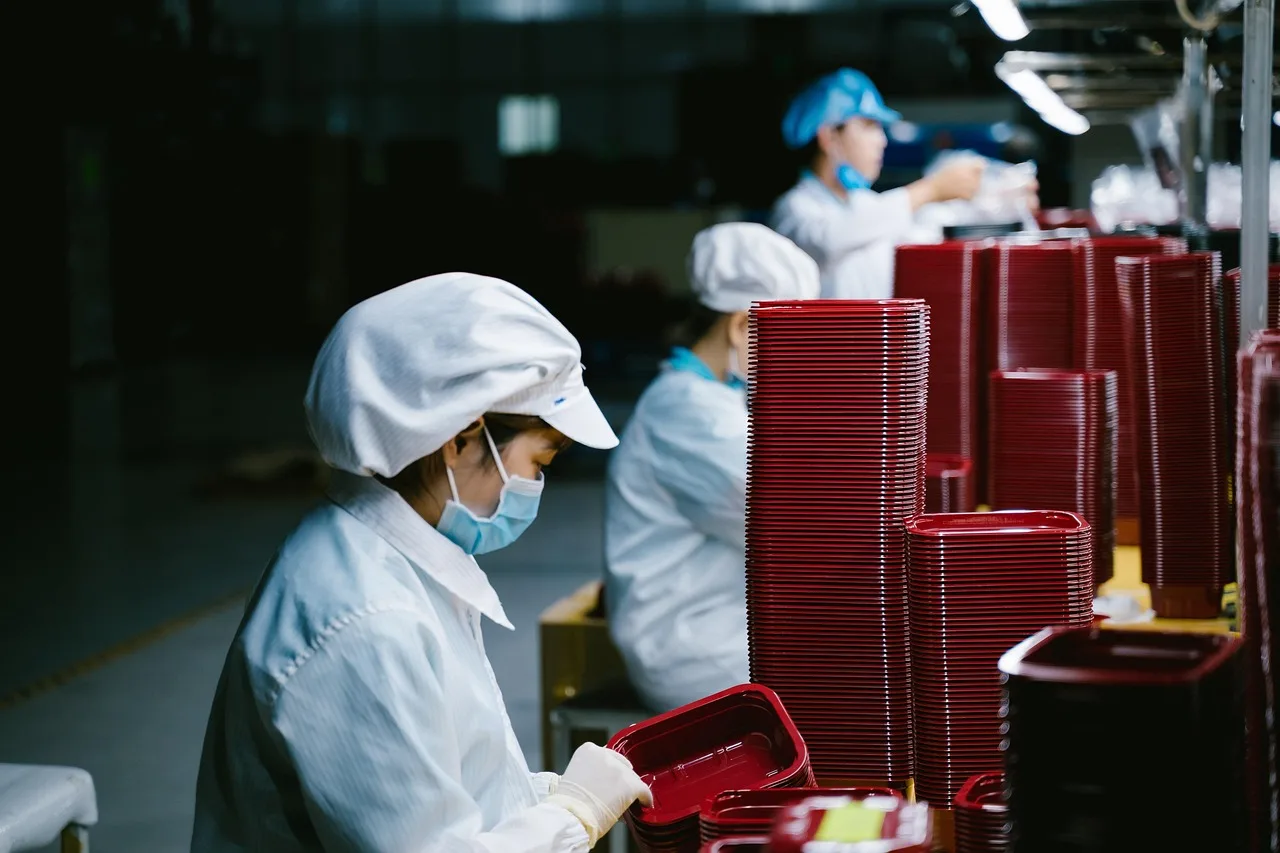
Supply chain security emerged as a central pillar of the discussions. By aligning their industrial strategies, India and South Korea aim to reduce reliance on third-party manufacturing hubs, moving toward a more integrated production ecosystem that leverages India’s manufacturing scale and Korea’s technological prowess.
The negotiations also touched upon the strategic industrial sector, including semiconductors and battery technology. These areas are critical to the future of the automotive and consumer electronics industries, both of which serve as major pillars for the Indian and Korean economies.
Expert Perspectives on Economic Integration
Trade economists suggest that the move to create sub-groups is a pragmatic step toward long-term stability. While tariff reductions are the traditional tool for trade agreements, modern economic diplomacy requires addressing non-tariff barriers and regulatory alignment.
Industry analysts note that India’s ‘Make in India’ initiative offers a unique opportunity for Korean firms to relocate production facilities to the subcontinent. This shift could potentially alleviate the trade deficit by transforming Korean exports into domestic Indian manufacturing output, thereby creating local jobs and reducing the import bill.
Future Implications and Market Watch
The success of these talks will likely hinge on the speed at which the newly formed sub-groups can produce actionable policy recommendations. For international businesses, this signals a potential shift in the regulatory environment for high-tech manufacturing in India.
Moving forward, observers should monitor the progress of upcoming ministerial-level meetings, which are expected to finalize the scope of the digital trade agreements. If both sides successfully negotiate a reduction in non-tariff barriers, it could pave the way for a surge in joint ventures, particularly in the green energy and electric vehicle component sectors. The trajectory of these negotiations will serve as a bellwether for how India balances its protectionist domestic manufacturing goals with its need for advanced foreign technology imports.