



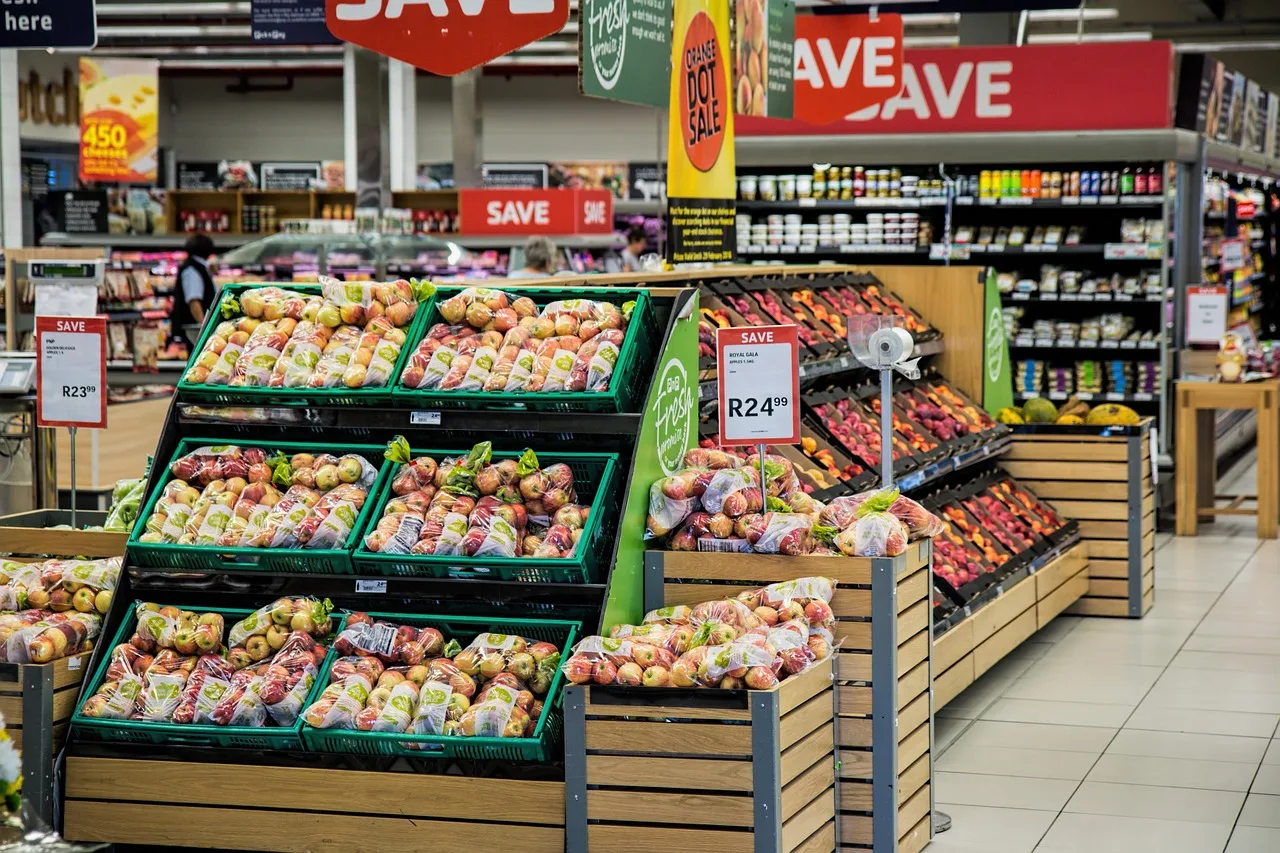
Government policymakers are currently recalibrating the Goods and Services Tax (GST) framework in India, shifting from a purely revenue-centric model to one that utilizes behavioral economics to influence consumer choices. This evolution, dubbed “GST 2.0,” proposes strategic tax adjustments on items ranging from ultra-processed packaged foods to high-energy-consuming appliances like air conditioners, aiming to align consumption patterns with public health and climate sustainability goals.
The Context of Fiscal Nudging
Since its inception in 2017, the GST regime has focused primarily on streamlining the indirect tax structure and expanding the tax base. However, as the system matures, the Ministry of Finance is increasingly viewing tax policy as a tool for social engineering.
This methodology draws inspiration from “nudge theory,” popularized by economists like Richard Thaler. The concept suggests that by subtly altering the “choice architecture” of consumers—in this case, through price signals—governments can encourage healthier or more environmentally conscious decisions without outright bans.
Targeting Public Health and Sustainability
The proposed revisions target specific product categories that carry significant negative externalities. For packaged foods high in sugar, salt, and fats, officials are considering higher tax slabs to discourage mass consumption, addressing the rising tide of lifestyle-related diseases.
Simultaneously, the focus on energy-intensive consumer durables like ACs reflects an effort to curb carbon footprints. By increasing the tax burden on appliances that are not energy-efficient, the government intends to push manufacturers toward greener technology and consumers toward sustainable cooling solutions.
Expert Perspectives and Economic Data
Economic analysts note that while the intent is noble, the implementation requires a delicate balance. According to reports from the National Institute of Public Finance and Policy, aggressive taxation on consumer goods can lead to inflationary pressures if not paired with subsidies for greener alternatives.
“Taxation is a blunt instrument,” says Dr. Anjali Mehta, a fiscal policy researcher. “To make GST 2.0 work, the government must ensure that the price hike on non-compliant goods is offset by lower prices for sustainable, healthier options. Otherwise, it simply becomes a regressive tax on the middle class.”
Data from the World Health Organization (WHO) supports the efficacy of such measures, noting that excise taxes on sugary beverages have successfully reduced consumption in over 50 countries. However, the retail sector remains wary of the administrative burden and the potential for reduced volume in the fast-moving consumer goods (FMCG) category.
Implications for Industry and Consumers
For the FMCG industry, this shift necessitates a rapid reformulation of product portfolios. Companies that rely heavily on high-sugar or high-sodium recipes may see their profit margins squeezed as price-sensitive consumers pivot to cheaper, potentially healthier substitutes.
Consumers should prepare for a tiered market where the “green premium” is either subsidized by the state or penalized by the taxman. The retail landscape will likely see a proliferation of “health-conscious” branding as manufacturers attempt to avoid the higher tax brackets associated with unhealthy ingredients.
Looking ahead, stakeholders should watch for the upcoming GST Council meetings, where the specific classification of these “sin goods” versus “green goods” will be finalized. The success of this policy will depend on whether the government can maintain a revenue-neutral position while effectively steering consumer behavior toward long-term national health and environmental targets.


