



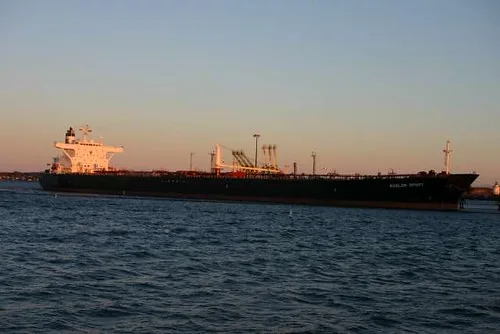
As tensions flare in the Middle East following the escalation of the conflict involving Iran, India’s economic stability faces a mounting threat from surging global oil prices, rising fertilizer costs, and critical supply chain disruptions. The crisis, which intensified throughout this week, has sent shockwaves through global energy markets, directly impacting India—a nation that imports over 85% of its crude oil requirements.
The Vulnerability of the Indian Economy
India’s heavy reliance on imported energy makes it uniquely susceptible to geopolitical instability in the Persian Gulf. Historically, any major conflict in this region triggers a spike in Brent crude prices, which immediately translates into higher domestic fuel costs.
Rising energy costs act as a dual-threat mechanism. They push up the manufacturing and transportation costs for businesses while simultaneously eroding the purchasing power of the average consumer through higher fuel and food prices.
Supply Chain and Agricultural Pressures
Beyond energy, the conflict threatens the accessibility and cost of essential agricultural inputs. Iran and the broader region are significant players in the global supply chain for fertilizers, which are essential for India’s massive agrarian sector.
Economists at major financial institutions have noted that even a moderate disruption in fertilizer imports could lead to lower crop yields and higher food inflation. This creates a compounding effect, where the government must choose between subsidizing costs or allowing the burden to fall on the farmer and, ultimately, the taxpayer.
Macroeconomic Indicators Under Strain
The immediate impact is visible in India’s fiscal health and balance of payments. As the import bill for crude oil inflates, the Indian Rupee faces downward pressure against the U.S. dollar, exacerbating the cost of imported goods.
Government data suggests that for every $10 increase in the price of a barrel of crude oil, India’s current account deficit widens significantly. This leaves policymakers with limited room to maneuver, as they must balance inflation control with the need to sustain post-pandemic economic growth.
Expert Perspectives on Market Volatility
Market analysts warn that the volatility is not merely a temporary spike but a structural shift in the risk landscape. According to recent trade data, the uncertainty in shipping lanes near the Strait of Hormuz has already led to higher insurance premiums for oil tankers, adding a risk premium to every barrel purchased by Indian refineries.


