


Global equity markets retreated from record highs on Tuesday as an abrupt escalation of military hostilities in the Persian Gulf triggered a sharp spike in energy prices. The United States and Iran exchanged direct fire in the region, drawing the United Arab Emirates into the conflict and sparking immediate fears of a sustained disruption to global oil supplies.
Brent crude futures surged 5% to approximately $114 per barrel during early trading hours. Investors, reacting to the sudden geopolitical instability, pivoted away from risk-heavy assets, leading to a broad sell-off across major indices in New York, London, and Tokyo.
The Fragility of the Strait of Hormuz
The Strait of Hormuz remains the world’s most critical maritime oil chokepoint, with approximately 21 million barrels of petroleum passing through daily, according to data from the U.S. Energy Information Administration (EIA). Any military engagement in this narrow corridor historically creates immediate premiums in global energy markets due to the potential for blockades or infrastructure damage.
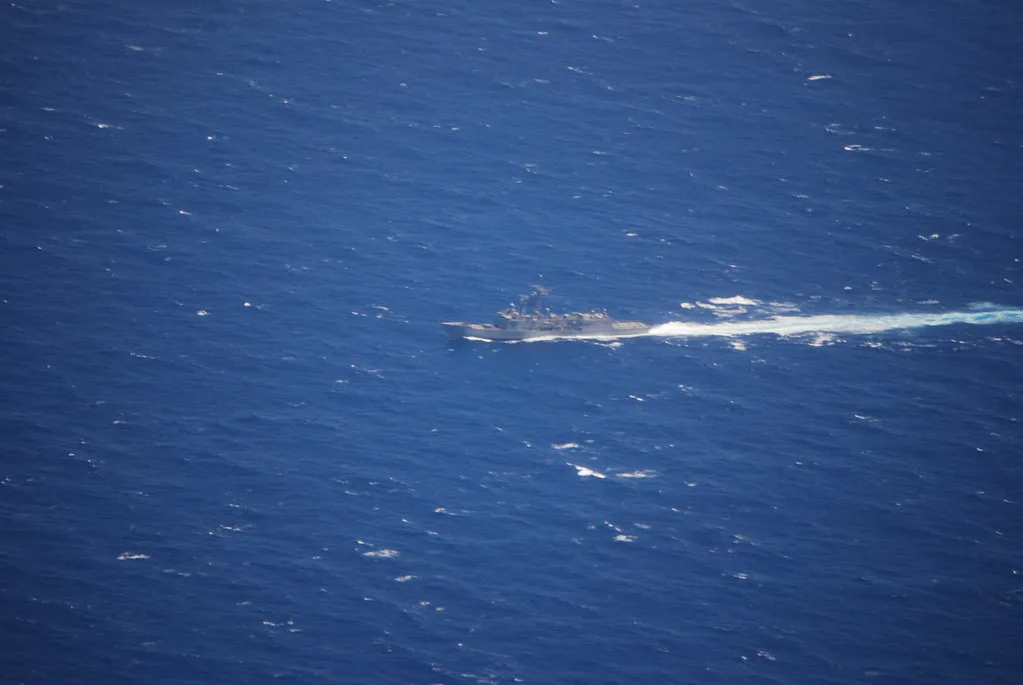
The current flare-up represents a significant departure from recent months of relative diplomatic stagnation. Following reports of naval skirmishes involving Iranian forces and U.S. assets, the regional security architecture has been strained to a breaking point, forcing global powers to recalibrate their risk assessments for Middle Eastern shipping lanes.
Market Volatility and Asset Allocation
Equity markets, which had reached all-time highs earlier this week on optimism regarding corporate earnings, faced a swift correction. Traders are now prioritizing defensive positions, moving capital into government bonds and precious metals as traditional hedges against geopolitical uncertainty.
Financial analysts note that the rise in oil prices creates a double-edged sword for the global economy. While energy producers may see short-term revenue gains, the broader market fears that sustained high oil prices will reignite inflationary pressures, complicating the monetary policy decisions currently being weighed by central banks like the Federal Reserve.
Expert Perspectives on Energy Security
Energy market strategists warn that the current pricing reflects a “risk premium” that could expand if the conflict persists. “The market is pricing in the worst-case scenario for supply chain integrity,” said one senior commodities analyst. “When the Strait of Hormuz is involved, the margin for error is non-existent, and traders are reacting to the lack of clear de-escalation pathways.”
Data from the International Energy Agency (IEA) suggests that global oil inventories remain tight, leaving little room for sudden supply shocks. Even a temporary disruption could force nations to tap into their Strategic Petroleum Reserves (SPR) to stabilize domestic prices, a move that would signal a deeper, long-term impact on the global energy landscape.
Looking Ahead: The Path Toward Stability
The immediate outlook hinges on the diplomatic efforts currently underway in the region to prevent further skirmishes from evolving into a wider regional war. Observers are closely monitoring communications between Washington and Tehran, as well as the potential for renewed international mediation involving the UAE and regional partners.
In the coming sessions, market participants will watch for any signs of a diplomatic breakthrough or, conversely, evidence of expanded military maneuvers. Should the tensions remain elevated, the industry expects increased volatility in energy-dependent sectors, particularly airlines and logistics, which will face immediate pressure on operating margins as fuel costs continue to climb.