



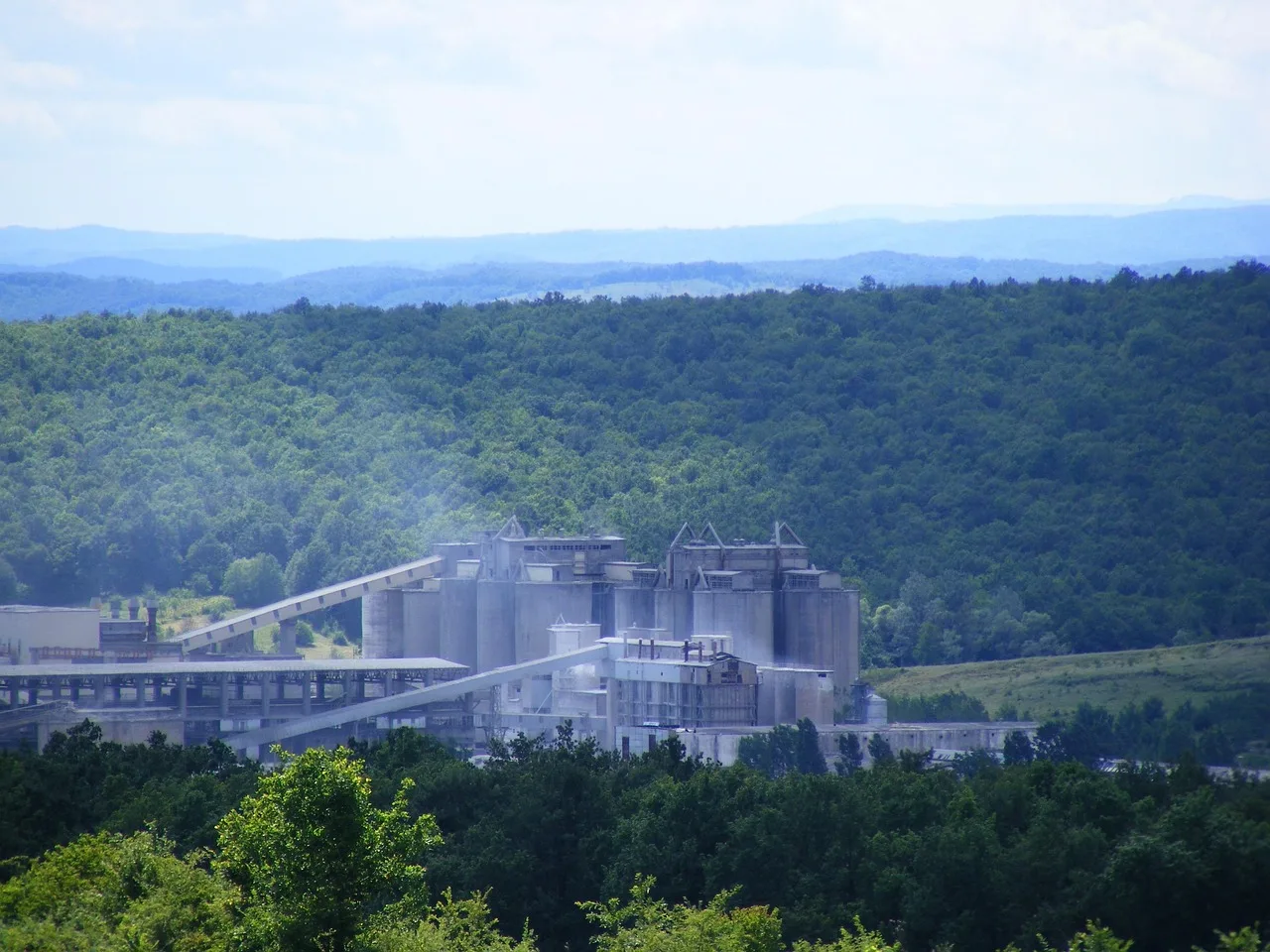
Ambuja Cements, a flagship company of the Adani Group, reported its fourth-quarter financial results this week, revealing a bottom-line boost driven primarily by significant tax credits. Despite the positive net profit, the company faced tightening operating margins, underscoring the challenges currently affecting the broader Indian cement sector.
Context of the Cement Industry
The Indian cement industry has been in a state of flux as it balances high infrastructure spending with fluctuating input costs. Companies have been aggressively expanding capacity to meet long-term demand, yet short-term profitability remains sensitive to pricing power and fuel expenses.
Detailed Performance Analysis
For the quarter ending in March, the tax credit provided a necessary cushion for Ambuja Cements’ net income, offsetting the impact of rising operational expenditures. Analysts noted that while revenue figures remained steady, the narrowing margins suggest that the company is struggling to fully pass on cost increases to consumers in a highly competitive market.
Management cited a complex macroeconomic landscape as the primary driver for these results. The company noted that while demand remains resilient, the pace of growth is decelerating compared to the aggressive post-pandemic recovery seen in previous fiscal years.
Expert Perspectives and Sector Outlook
Industry analysts point to a cooling effect in the real estate sector as a potential headwind. According to data from the Cement Manufacturers Association, capacity utilization rates have plateaued, forcing manufacturers to rethink their pricing strategies.
Ambuja Cements has explicitly signaled a cautious outlook for the upcoming fiscal year. The company expects industry demand growth to remain modest, hovering around 5% for FY27. This conservative estimate is largely attributed to lingering geopolitical uncertainties that threaten global supply chains and trade stability.
Climate and Macroeconomic Risks
Climate factors are also weighing heavily on the industry’s outlook. Early weather forecasts suggest a below-normal monsoon season, which could negatively impact rural demand—a critical segment for cement consumption. Historically, erratic rainfall cycles have led to a slowdown in rural construction projects and infrastructure maintenance.
Implications for the Industry
For investors and stakeholders, the recent quarterly performance serves as a bellwether for the broader construction materials sector. The shift toward volume-led growth rather than price-led growth may become the industry standard as companies battle for market share in a crowded landscape.
Looking ahead, market participants should monitor how Ambuja Cements manages its operational efficiency in the face of persistent cost pressures. The coming quarters will likely reveal whether the company can successfully optimize its logistics and supply chain to restore margins, or if the 5% growth ceiling will necessitate a more aggressive consolidation strategy within the sector.