





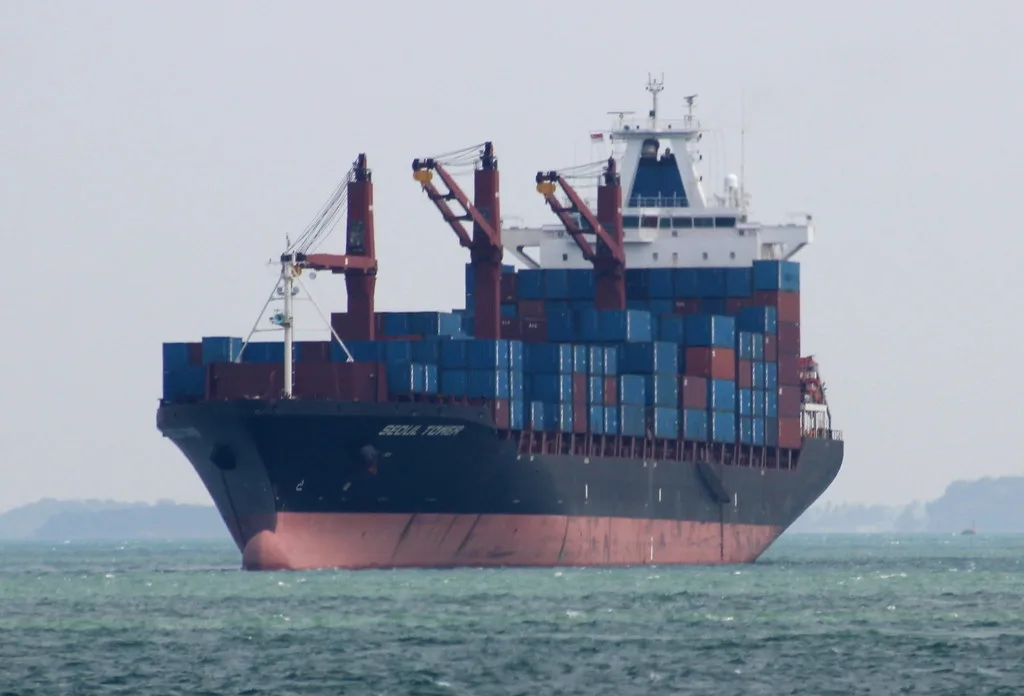
The Surge in Global Shipping Costs
Container shipping rates from Asia to the United States have skyrocketed by 109% since the onset of the conflict involving Iran, driven by a volatile combination of rising fuel prices, port congestion, and an early surge in seasonal demand. Logistics data released this week confirms that the cost of moving standard 40-foot containers has reached levels not seen in months, forcing retailers and manufacturers to re-evaluate their supply chain budgets ahead of the critical holiday shipping window.
Contextualizing the Supply Chain Disruption
The global shipping industry has been navigating a period of heightened sensitivity since geopolitical tensions escalated in the Middle East. These tensions have directly impacted maritime security, forcing many vessels to divert from traditional routes to avoid high-risk zones, which increases travel time and fuel consumption.
Simultaneously, major Asian transshipment hubs have reported significant backlogs. As vessels arrive irregularly due to route diversions, port operators are struggling to manage the sudden influx of containers, leading to equipment shortages and increased dwell times for cargo awaiting transit.
Market Dynamics and Operational Challenges
The spike in rates is further exacerbated by a shift in consumer behavior and retail inventory planning. Businesses are moving to secure space on vessels earlier than usual to avoid the potential for further disruptions during the traditional peak season, creating a bottleneck that carriers are struggling to accommodate.
According to maritime analysts, the current environment has shifted from a period of relative stability to one of extreme volatility. Carriers have implemented emergency surcharges to offset the rising cost of bunker fuel, which has climbed in tandem with global crude oil prices. This cost is being passed directly to importers, who are now facing the most expensive freight environment since the post-pandemic supply chain crisis.
Expert Perspectives and Industry Data
Industry experts observe that the 109% increase is not merely a reflection of fuel costs but a manifestation of systemic capacity constraints. With a limited number of vessels available to handle the sudden demand, spot rates have become the primary mechanism for price discovery in the market.
Data from global logistics firms indicates that port congestion in key Asian manufacturing centers has reduced the effective capacity of the world fleet by nearly 15%. This reduction, coupled with the increased distance of rerouted voyages, creates a feedback loop that sustains high pricing levels.
Implications for the Retail Sector
For the retail sector, these rising costs threaten to erode profit margins or force price increases for end consumers. Importers are currently forced to choose between absorbing the higher freight costs or delaying shipments, which poses a significant risk to inventory availability for the upcoming winter holiday sales season.
Looking ahead, market participants should closely monitor the stability of key maritime chokepoints and potential labor negotiations at major North American ports. If congestion persists through the third quarter, analysts predict that shipping rates may remain elevated well into the new year, potentially influencing broader inflationary trends across the retail and manufacturing sectors.