









Shifting Currents in Global Trade
Major players in the global transport sector, including A.P. Moller-Maersk and Lufthansa, are navigating a period of significant volatility this quarter as they recalibrate operational strategies to meet shifting demand in international trade and passenger travel. Industry analysts are closely monitoring these corporate adjustments, which reflect broader macroeconomic pressures currently reshaping supply chains and travel logistics across Europe and Asia.
Contextualizing the Transportation Landscape
The transport sector has experienced immense pressure since the pandemic, moving from a period of extreme supply chain disruption to a current phase of normalization characterized by overcapacity and cooling consumer demand. A.P. Moller-Maersk, a titan in container shipping, remains a bellwether for global commerce, while Lufthansa continues to grapple with the complex recovery of the European aviation market amidst rising labor costs and fuel price fluctuations.
Operational Challenges and Market Adjustments
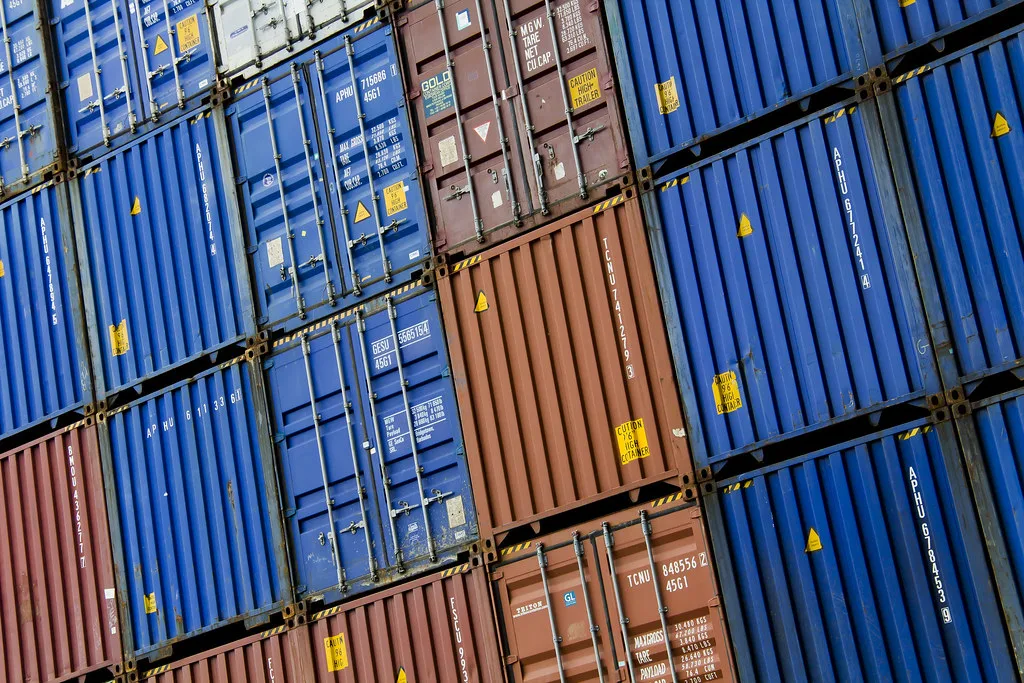
For Maersk, the primary challenge remains the stabilization of freight rates following a period of historic highs. Recent reports indicate that the company is refining its integrated logistics strategy to diversify revenue streams beyond traditional ocean freight, aiming to insulate itself from the inherent cyclicality of the maritime shipping industry.
Simultaneously, the aviation sector is balancing high demand for premium travel against the operational constraints of aging fleets and pilot shortages. Lufthansa, in particular, is focused on aggressive cost-management programs to offset the impact of inflationary pressures on maintenance and fuel, while also navigating the complexities of regional geopolitical tensions that continue to alter flight paths and operational expenses.
Expert Analysis of Sector Trends
Market data suggests that while demand for containerized goods has stabilized, the margin of error for transport firms has narrowed significantly. According to recent industry reports, logistics companies that prioritize digital transformation and automated warehouse management are seeing a 15% improvement in operational efficiency compared to peers relying on legacy systems.
Furthermore, analysts note that the aviation industry is undergoing a structural shift where profitability is increasingly tied to ancillary revenue rather than base ticket prices. This trend highlights the necessity for carriers to invest in sophisticated yield management tools to maintain margins as fuel costs remain persistently high.
Future Implications for the Logistics Market
Investors and stakeholders should watch for upcoming quarterly earnings reports to see if these strategic pivots yield tangible improvements in operating margins. The primary variable to monitor in the coming months is the impact of potential interest rate adjustments on global trade volumes, which directly dictate the capacity utilization rates for shipping lines and cargo-heavy airlines.
Looking ahead, the integration of artificial intelligence into logistics routing will likely become a key competitive differentiator by late 2024. Companies that successfully leverage predictive analytics to optimize fuel consumption and container placement will be best positioned to weather the ongoing volatility in the global transportation ecosystem.