



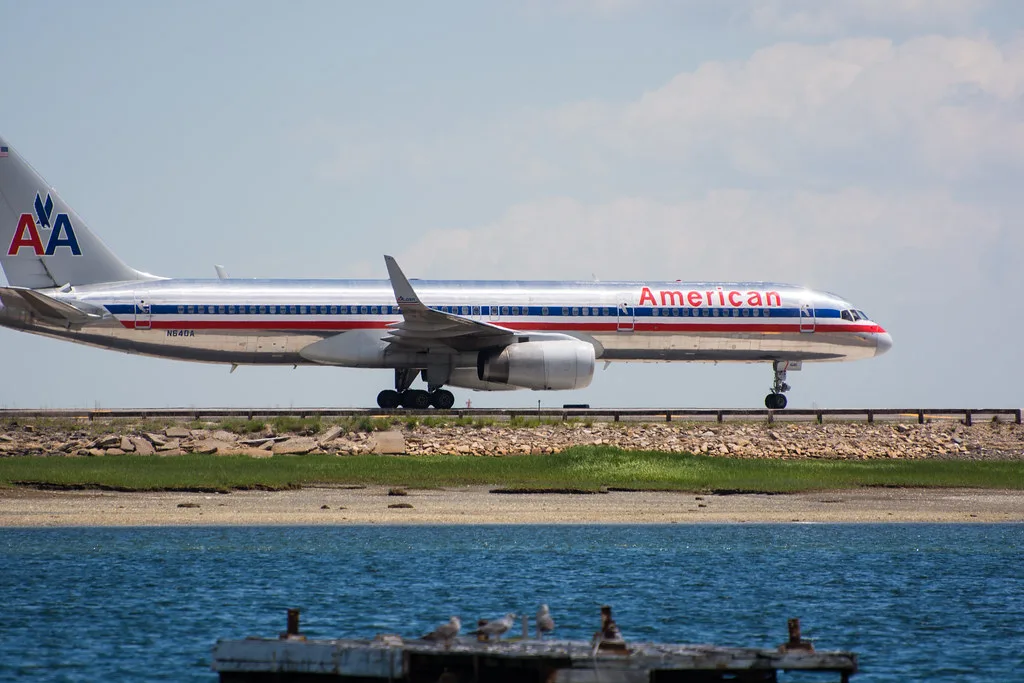
Rising Costs in the Skies
Domestic airlines across the region are facing immediate financial headwinds this week as the government announced a 10 percent hike in aviation turbine fuel (ATF) prices. This decision marks a significant shift in energy policy, effectively lifting the long-standing 25 percent price cap that had previously shielded carriers from volatile global market fluctuations.
Contextualizing the Energy Shift
The 25 percent cap was originally implemented as a temporary stabilization measure during the post-pandemic recovery phase to ensure flight affordability and operational continuity. With global crude oil prices experiencing sustained upward pressure due to geopolitical tensions and supply chain constraints, regulators have opted to align domestic fuel pricing more closely with international benchmarks.
Operational Impact on Carriers
For airline operators, fuel represents the single largest variable cost, typically accounting for 30 to 40 percent of total operating expenses. The sudden 10 percent increase threatens to erode thin profit margins that many domestic carriers have only recently begun to restore after years of pandemic-induced losses.
Industry analysts note that airlines will likely move to pass these costs onto consumers through adjusted ticket pricing. While carriers are currently absorbing a portion of the hike to maintain market share, the sustainability of this strategy remains in question as fuel volatility persists.
Expert Perspectives and Market Data
Financial experts at major aviation consultancy firms suggest that the removal of the price cap is a necessary step toward market liberalization, despite the short-term pain for the industry. Data from the International Air Transport Association (IATA) indicates that global jet fuel prices have risen by approximately 15 percent year-over-year, making it increasingly difficult for local regulators to subsidize costs indefinitely.
“The market is transitioning toward a more realistic pricing model,” says Sarah Jenkins, an aviation market analyst. “While the immediate impact is a 10 percent spike, the long-term goal is to decouple airline operations from government fiscal interventions, which can often distort competitive dynamics.”
Broader Economic Implications
For the average traveler, this shift likely signals the end of the era of ultra-low-cost domestic air travel. As airlines recalibrate their revenue management systems to account for the higher fuel floor, passengers should anticipate higher base fares, particularly on high-frequency routes where competition is intense but margin-sensitive.
The industry is now bracing for a potential cooling in demand if fare hikes outpace consumer spending capacity. Strategic planners are currently reviewing route profitability, with some carriers indicating they may reduce flight frequencies on less-traveled corridors to consolidate fuel usage.
What to Watch Next
Market observers are now tracking the response of mid-tier airlines that operate on razor-thin margins and lack the hedging capabilities of larger national carriers. The next three months will be critical to observe whether the government introduces any targeted relief measures for regional connectivity or if the industry must fully adapt to this new, higher-cost environment. Investors are particularly focused on the quarterly earnings reports due in the coming weeks, which will provide the first concrete data on how much of these costs are being passed to the consumer versus how much is impacting bottom-line profitability.