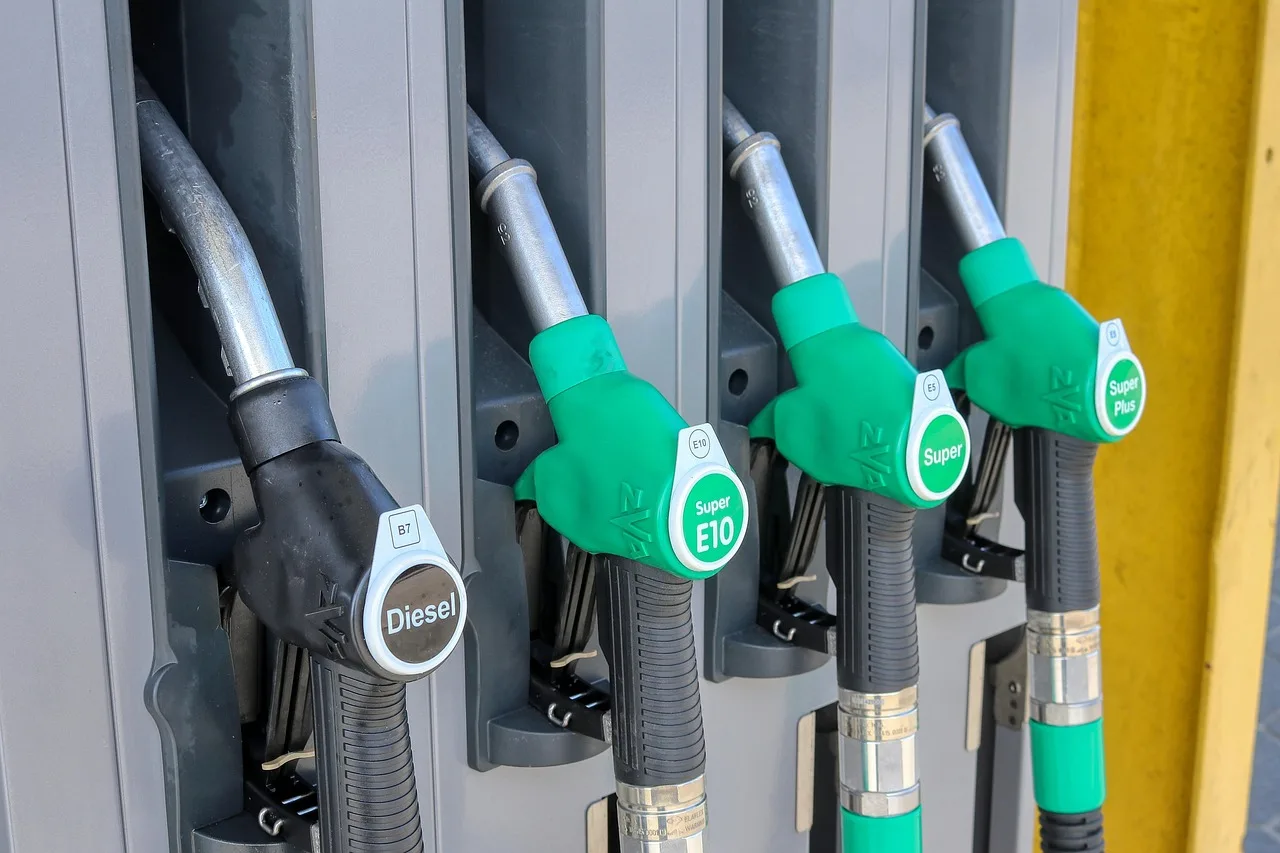






The Indian government is aggressively scaling its Ethanol Blended Petrol (EBP) programme to reduce its heavy reliance on imported crude oil, aiming to save billions of dollars in foreign exchange reserves by 2025. By mandating an increase in the blending of ethanol—a biofuel derived from agricultural feedstocks like sugarcane and grains—into conventional petrol, the administration seeks to simultaneously bolster the domestic agrarian economy and slash the national import bill.
The Strategic Shift Toward Energy Autonomy
For decades, India has remained one of the world’s largest importers of crude oil, leaving its economy vulnerable to volatile global market fluctuations. The EBP programme represents a fundamental shift in energy policy, moving from fossil-fuel dependence toward a circular bio-economy.
The government initially set a target to achieve 20% ethanol blending in petrol, known as E20, by 2025. This transition is not merely environmental; it is a calculated financial maneuver designed to preserve precious foreign exchange reserves that are currently drained by massive fuel imports.
Economic Impacts and Agricultural Integration
The integration of ethanol into the fuel supply chain provides a secondary market for farmers, particularly in the sugar and cereal sectors. By converting surplus crop yields into biofuel, the government effectively transforms potential agricultural waste into a high-value industrial input.
Data from the Ministry of Petroleum and Natural Gas indicates that the program has already resulted in significant savings. Officials estimate that every percentage point increase in blending capacity reduces the import burden by hundreds of millions of dollars annually.
Technological and Logistical Challenges
Scaling the EBP programme requires more than just policy mandates; it necessitates an overhaul of automotive engineering and supply chain logistics. Most modern vehicles require engine modifications to handle higher concentrations of ethanol, which is more corrosive than pure petrol.
Automakers have begun rolling out E20-compliant engines to ensure that the transition does not compromise vehicle performance or longevity. Furthermore, the infrastructure for blending plants must be geographically distributed to ensure that ethanol reaches oil marketing companies efficiently.
Industry Implications and Future Outlook
For the energy sector, the shift signifies a transition toward multi-fuel retail outlets where biofuels play a central role. Investors are increasingly eyeing the distillery sector as the demand for ethanol production capacity continues to outpace supply.
Looking ahead, industry analysts are watching the government’s ability to maintain a consistent supply of feedstock during drought cycles or poor harvest years. If successful, the EBP model could serve as a blueprint for other emerging economies looking to decouple their industrial growth from global oil price volatility. The next phase of the program will likely focus on ‘flex-fuel’ vehicle adoption, allowing consumers to choose the ratio of ethanol to petrol, further cementing the role of biofuels in the nation’s energy mix.