




Federal Intervention in Rail Standoff
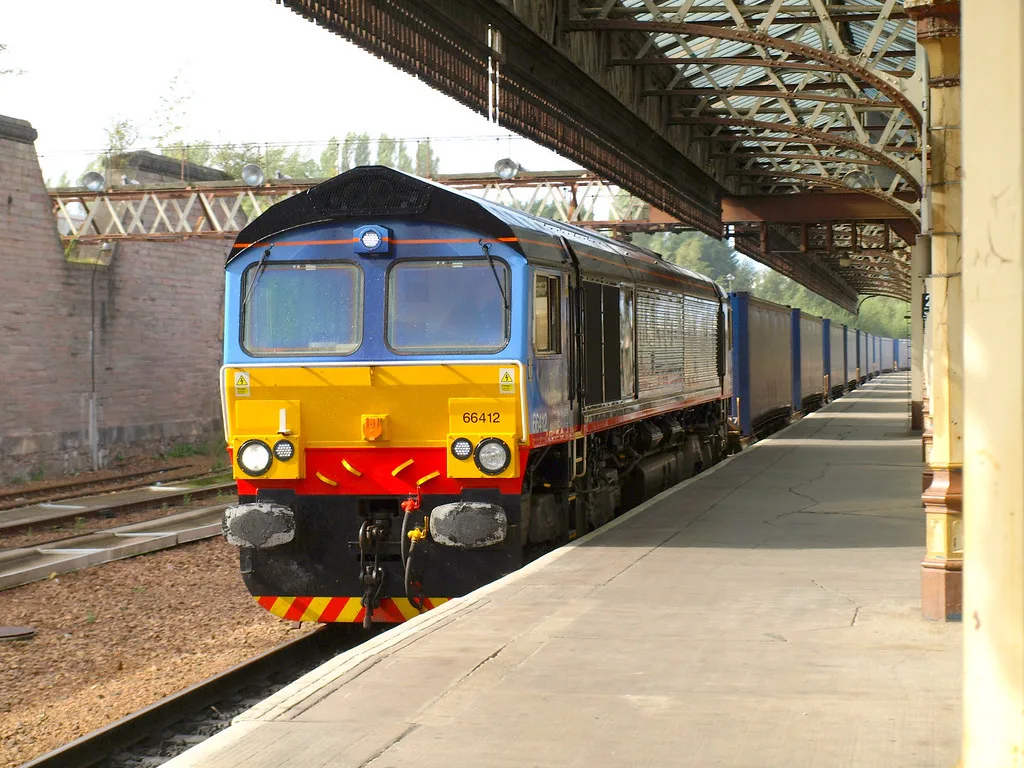
Federal labor officials are urgently pushing for a resumption of negotiations between labor unions and transit management following a complete shutdown of the largest commuter rail system in the United States this week. The stoppage, which began early Monday morning, has effectively halted transport for hundreds of thousands of daily commuters, forcing regional authorities to scramble for alternative bus and ferry solutions. The federal government has stepped in to mediate the dispute, citing the critical nature of the infrastructure to the national economy and public safety.
The Roots of the Labor Conflict
The current impasse stems from stalled contract negotiations centered on wage adjustments, healthcare coverage, and staffing levels. For months, union representatives have argued that current compensation packages fail to keep pace with record inflation and the rising cost of living in major metropolitan hubs. Conversely, transit authorities maintain that budgetary constraints and declining post-pandemic ridership figures limit their ability to meet the unions’ financial demands.
Economic and Logistical Ripple Effects
The shutdown has triggered an immediate logistical crisis across the affected region, with major highways reporting record congestion as commuters shift to personal vehicles. Local businesses, particularly those in downtown districts, are reporting a significant dip in foot traffic as office workers remain home or struggle to reach their workplaces. Economic analysts suggest that if the stoppage persists, the daily economic output of the region could suffer losses reaching into the tens of millions of dollars.
Expert Perspectives on Transit Stability
Labor relations experts point to the current situation as a microcosm of broader tensions within the American transportation sector. Dr. Sarah Jenkins, a senior economist at the National Transit Institute, notes that the rise of remote work has fundamentally altered the financial models of commuter rail systems, leaving them more vulnerable to labor disputes. According to data from the American Public Transportation Association, ridership remains roughly 20% below 2019 levels, putting unprecedented pressure on agency budgets and complicating collective bargaining processes.
Industry Implications and Future Outlook
For the broader transportation industry, this shutdown serves as a high-stakes test of the federal government’s ability to navigate modern labor disputes in an era of precarious transit funding. If these talks fail, the rail system may face prolonged service disruptions that could permanently alter commuting habits and urban development trends. Moving forward, stakeholders are watching the negotiation table closely to see if a compromise can be reached before the weekend, as any further delay will likely trigger calls for legislative intervention to mandate a return to work. Observers should look for updates regarding potential short-term funding packages or emergency arbitration measures that could bridge the gap between union demands and management’s fiscal realities.