




A New Approach to In-Flight Conduct
The United States government, led by the Federal Aviation Administration (FAA), has launched a public awareness campaign this week encouraging passengers to assess their own behavior through an interactive quiz as part of a broader strategy to mitigate the rising tide of unruly conduct on commercial flights. By providing educational resources and clear guidelines, aviation authorities aim to curb physical and verbal altercations that have plagued the industry since the onset of the global pandemic.
The Context of Rising Disruptions
The aviation industry experienced a historic spike in unruly passenger incidents beginning in 2021. FAA data indicates that while the number of reported incidents has decreased from the record highs seen during the height of the pandemic, the frequency of disruptive behavior remains significantly higher than pre-2020 levels.
Historically, the FAA has relied on civil penalties and law enforcement intervention to address these issues. This new shift toward preventative education represents a change in tactics, focusing on passenger awareness and the psychological triggers of air rage, such as alcohol consumption and long travel delays.
Analyzing the Scope of In-Flight Conflict
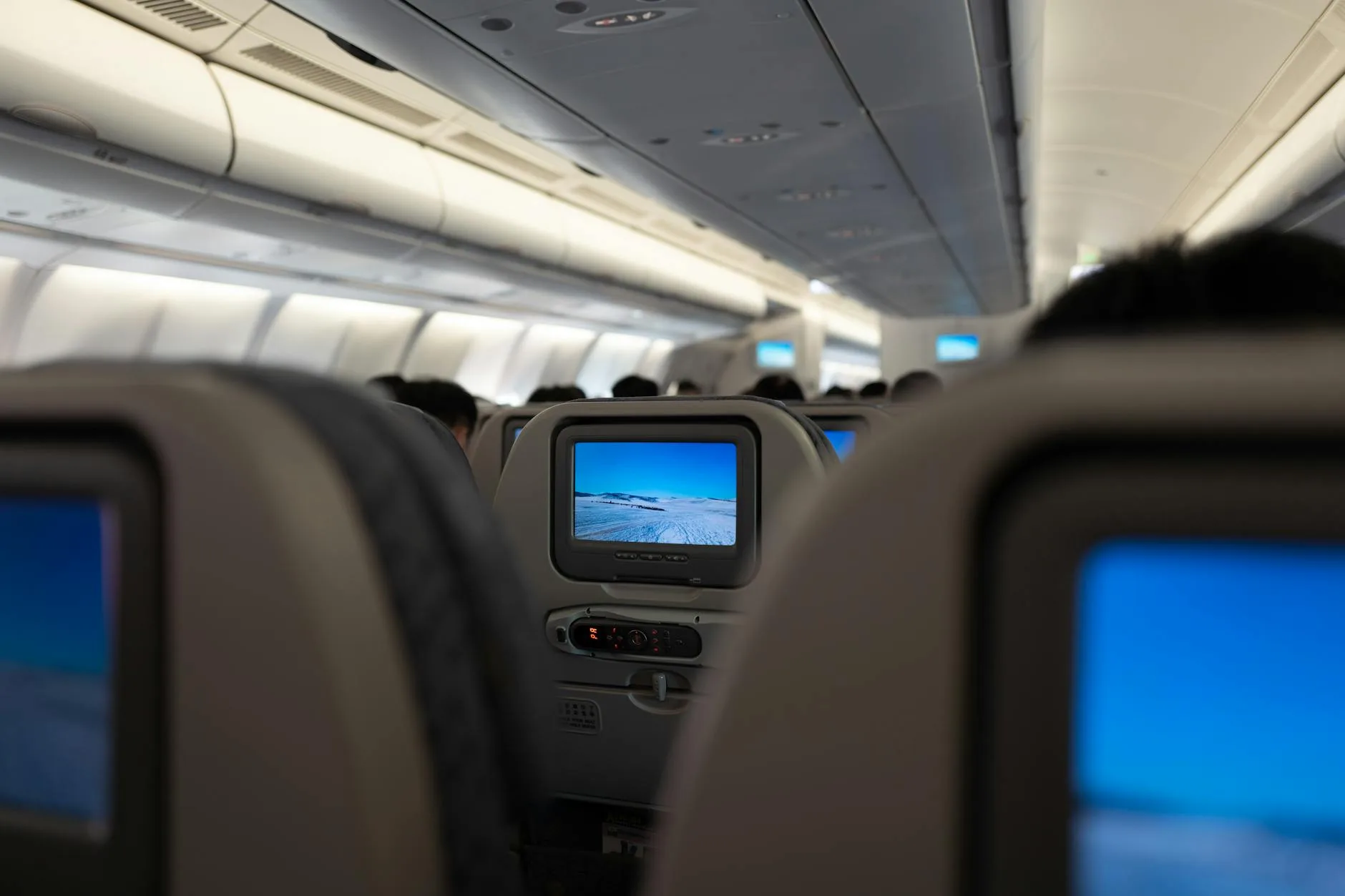
The current initiative targets the most common triggers for mid-air disruptions, including refusal to follow crew instructions, physical aggression toward staff, and confrontations between passengers. Experts suggest that the cabin environment, characterized by confined spaces and high stress, can exacerbate existing tensions among travelers.
Aviation safety analyst Dr. Marcus Thorne notes that the goal of the quiz is to normalize the expectation of mutual respect in a shared space. By gamifying the rules of conduct, the FAA hopes to reach a younger demographic and reinforce the reality that flight crews are tasked with safety, not just hospitality.
Expert Perspectives on Behavioral Trends
According to recent reports from the International Air Transport Association (IATA), the majority of unruly incidents are still linked to non-compliance with safety regulations. Industry advocates argue that clear, consistent messaging is essential to maintain order across diverse passenger demographics.
Data suggests that educational outreach programs in other sectors have successfully reduced friction by setting clear behavioral expectations before service begins. The FAA’s approach mirrors these successful models, emphasizing that the cabin is a regulated environment where personal conduct has direct consequences on the safety of the aircraft.
Industry Implications and Future Outlook
For the average traveler, this initiative underscores the reality that airlines are under increasing pressure to protect their crews from harassment. Passengers who fail to adhere to these standards may face not only federal fines but also placement on airline-specific no-fly lists that can result in permanent bans from future travel.
Looking ahead, industry analysts will be watching to see if this educational campaign correlates with a measurable decline in reported incidents over the next fiscal quarter. If successful, the government may expand these digital training modules to include pre-flight check-in requirements. Observers should also keep an eye on potential legislative updates that could further empower flight attendants to enforce safety protocols without fear of retaliation or escalating conflict.