




The Economic Pressure Point
With the U.S. presidential election approaching, former President Donald Trump faces a significant political challenge as rising gasoline prices and broader inflationary pressures strain household budgets across the nation. The recent escalation of conflict in Iran has triggered volatility in global energy markets, forcing voters to reconsider their financial stability and their electoral choices just months before they head to the polls.
The Context of Inflationary Anxiety
For several years, American voters have grappled with the lingering effects of post-pandemic inflation, which has consistently ranked as a top priority in public opinion polling. While economic indicators like unemployment have remained relatively strong, the psychological impact of daily price increases at the grocery store and the pump often outweighs macroeconomic data in the minds of average consumers.
This current surge in energy costs arrives at a critical juncture. When geopolitical tensions disrupt oil supplies, the downstream effect is almost immediate for the American commuter. Historically, energy costs act as a bellwether for voter sentiment, often dictating the perceived performance of the executive branch regardless of the root cause of the market shift.
Market Dynamics and Voter Sentiment
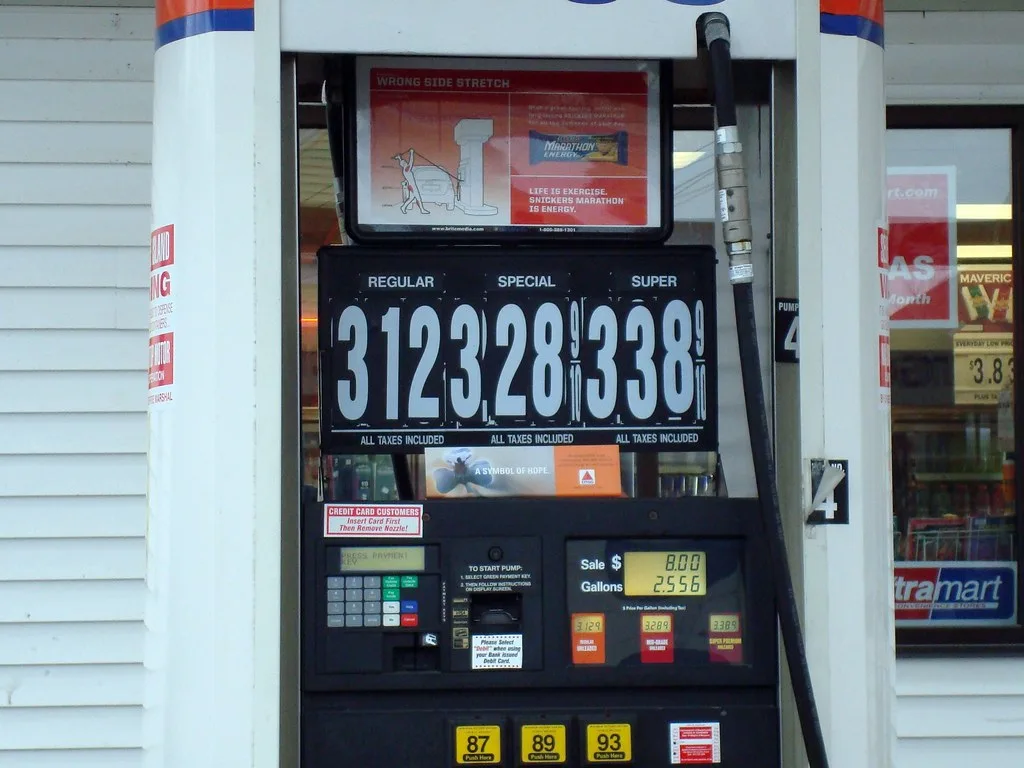
Market analysts note that the correlation between Middle Eastern instability and domestic fuel prices is a well-documented phenomenon. According to data from the American Automobile Association (AAA), sudden spikes in crude oil futures frequently translate into higher pump prices within days, creating an immediate sense of urgency for families managing fixed incomes.
Political strategists suggest that this volatility creates a difficult messaging environment for the Trump campaign. While the former president has consistently campaigned on a platform of energy independence and deregulation, the reality of global market interconnectedness means that domestic policy cannot fully insulate the U.S. economy from international shocks. Voters, however, often prioritize the immediate pain of higher costs over long-term policy nuances.
Expert Perspectives on Economic Resilience
Economists point out that the current inflationary cycle is multifaceted, driven by supply chain constraints, labor market shifts, and global energy demands. Dr. Marcus Thorne, a senior policy analyst at the Economic Research Institute, notes that “voters are currently experiencing a ‘cost-of-living fatigue’ that makes them highly sensitive to any price fluctuations, particularly those related to gasoline, which serves as a visible indicator of broader economic health.”
Data from the Bureau of Labor Statistics indicates that energy costs remain a volatile component of the Consumer Price Index (CPI). When these costs climb, they disproportionately affect lower- and middle-income households, who spend a larger percentage of their earnings on transportation and heating. This demographic is often a key target for swing-state campaigning, making the price at the pump a central focus for both major political parties.
Future Implications and Watching the Trends
Looking ahead, the stability of the Middle East will likely remain the primary variable in determining the economic narrative of the upcoming election. Should gas prices continue their upward trajectory, candidates will be forced to pivot their platforms toward immediate relief measures rather than long-term growth strategies. Observers should monitor the release of the next monthly inflation report and fluctuations in crude oil futures to gauge whether this economic pressure will solidify into a permanent shift in voter preference or remain a transient issue as election day nears.