




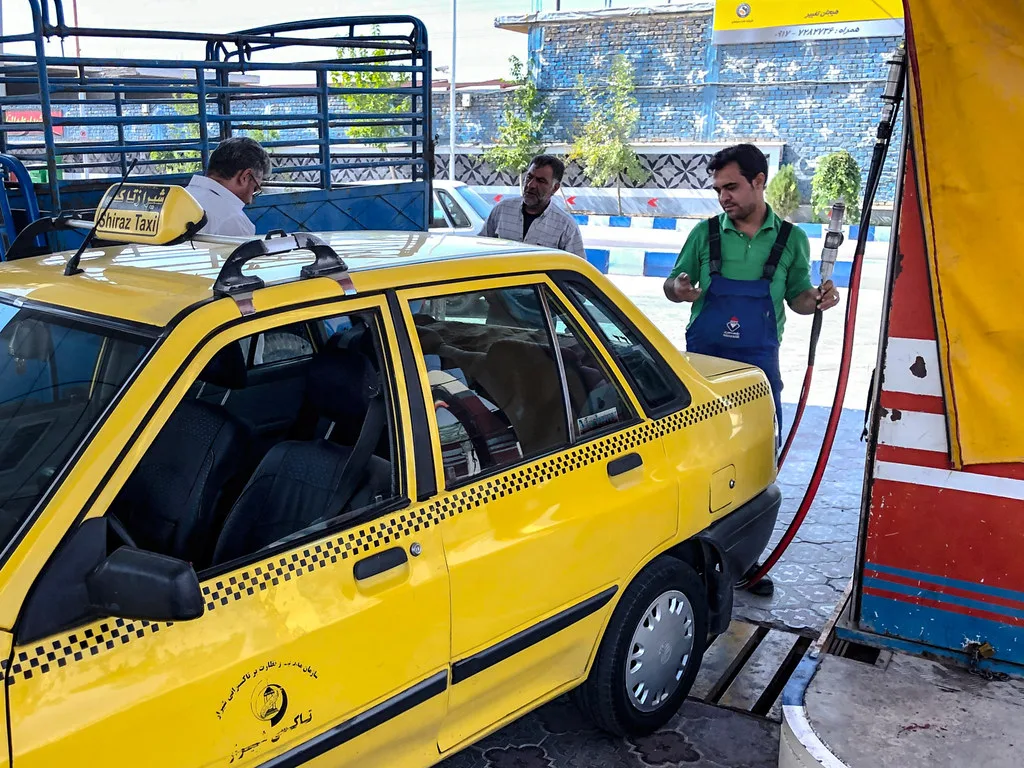
Commuters and commercial vehicle operators in the Delhi-NCR region are grappling with a significant financial burden as Compressed Natural Gas (CNG) prices increased by Re 1 per kilogram on Sunday, marking the second price hike within a 48-hour window. The latest adjustment brings the retail price to Rs 80.09 per kg, following a Rs 2 increase implemented just this past Friday.
Understanding the Price Surge
The recent volatility in CNG pricing is primarily driven by global supply chain disruptions and the fluctuating cost of imported natural gas. Indraprastha Gas Limited (IGL), the primary supplier in the national capital region, adjusts retail rates periodically based on the weighted average cost of gas sourced from domestic fields and international markets.
Historically, CNG was promoted as an affordable, eco-friendly alternative to petrol and diesel, leading to widespread adoption among taxi fleets and private car owners in Delhi. However, the consistent upward trend in prices over the last year has narrowed the economic advantage that CNG previously held over conventional liquid fuels.
Impact on Transport and Logistics
The cumulative effect of these price hikes is rippling through the local economy, particularly affecting the public transport sector and ride-hailing services. Cab drivers, who rely heavily on CNG to maintain profit margins, are reporting increased operational costs that threaten their daily earnings.
“Every time the price goes up, my margins shrink,” said one local cab operator. “When fuel costs rise this quickly, it becomes difficult to absorb the expense without passing it on to the consumer or seeing a direct hit to my take-home pay.”
Logistics experts warn that if these prices continue to climb, there could be a secondary impact on the cost of goods and services. As transport costs for small-scale deliveries increase, businesses may be forced to adjust their pricing structures to offset rising expenditure.
Industry Perspectives and Economic Data
Data from recent energy audits suggests that while CNG remains cleaner than petrol, the price parity is shifting rapidly. Industry analysts point out that international liquefied natural gas (LNG) prices have remained volatile, directly influencing the domestic input costs for providers like IGL.
According to energy sector data, the rapid succession of hikes reflects a broader trend of energy inflation impacting urban centers. While the government has periodically intervened to stabilize domestic gas allocations, the reliance on imports remains a significant vulnerability for retail pricing stability.
Future Market Outlook
As the market stabilizes, stakeholders are closely monitoring whether further hikes are on the horizon. The focus for the coming months will be on the government’s efforts to increase domestic production of natural gas, which could potentially insulate the market from global price shocks.
Commuters should anticipate continued volatility in transport costs, with a likely shift in consumer behavior toward more fuel-efficient vehicles or increased reliance on public transit systems. Industry observers recommend tracking the monthly review meetings of gas suppliers, as these sessions will serve as the primary indicator for future price adjustments.