





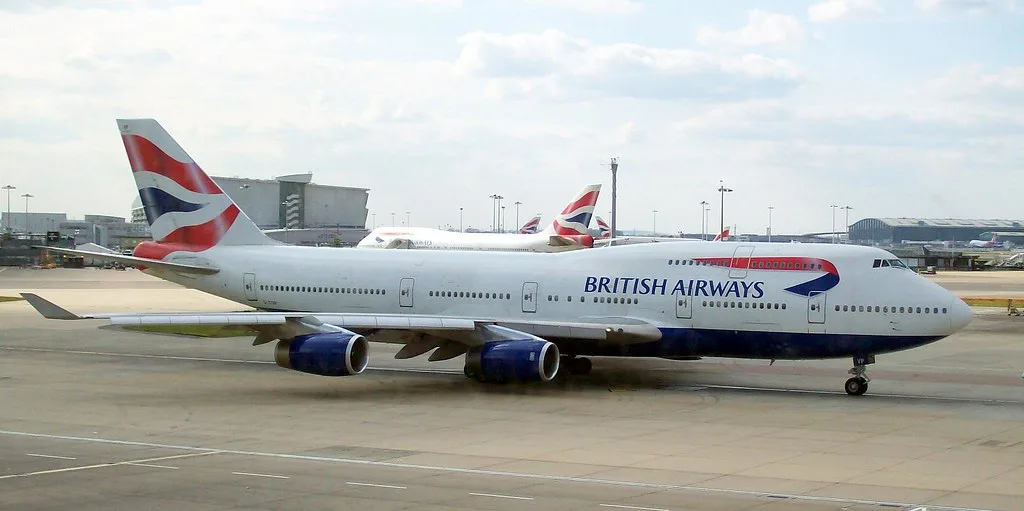
Diplomatic Momentum and Aviation Procurement
U.S. Treasury Secretary Scott Bessent announced on Wednesday that China may finalize an agreement to purchase a significantly larger volume of Boeing aircraft during President Xi Jinping’s upcoming state visit to Washington this September. Speaking before the Senate Finance Committee regarding the fiscal 2027 budget, Bessent indicated that the move could build upon existing trade commitments between the two economic superpowers.
Context of the Trade Agreement
The potential deal follows a landmark agreement established during President Donald Trump’s visit to Beijing in May, where China initially committed to acquiring 200 Boeing aircraft. U.S. officials and representatives from Boeing characterized that initial package as a foundational step in broader aerospace trade negotiations. China’s Commerce Ministry confirmed the existence of the deal shortly after the summit, marking a rare point of alignment in a frequently strained bilateral trade relationship.
Strategic Implications for Boeing
For Boeing, securing a expanded commitment from China is critical to maintaining its market share in the rapidly growing Asia-Pacific aviation sector. The manufacturer has faced significant production and delivery challenges in recent years, making steady demand from large international carriers essential for long-term fiscal stability. Analysts note that an increase in aircraft orders would serve as a barometer for the current state of U.S.-China economic diplomacy.
Economic and Political Perspectives
Economists tracking the region suggest that aircraft purchases often function as a diplomatic tool to balance trade deficits. By leveraging high-value manufacturing orders, both nations can demonstrate progress in economic cooperation despite ongoing disagreements over technology transfers and tariffs. Data from the Aerospace Industries Association indicates that China remains one of the most vital export markets for American-made aerospace products, accounting for a significant portion of annual industry revenue.
Future Outlook and Industry Watch
Market observers are now closely monitoring the September summit for specific contract details and delivery timelines. The size of the potential follow-up order will likely signal the degree to which Beijing intends to stabilize trade ties through industrial procurement. Industry experts suggest that if the deal proceeds as anticipated, it could trigger a ripple effect in the global supply chain, potentially bolstering Boeing’s stock performance and encouraging further infrastructure investment within the American aerospace sector.