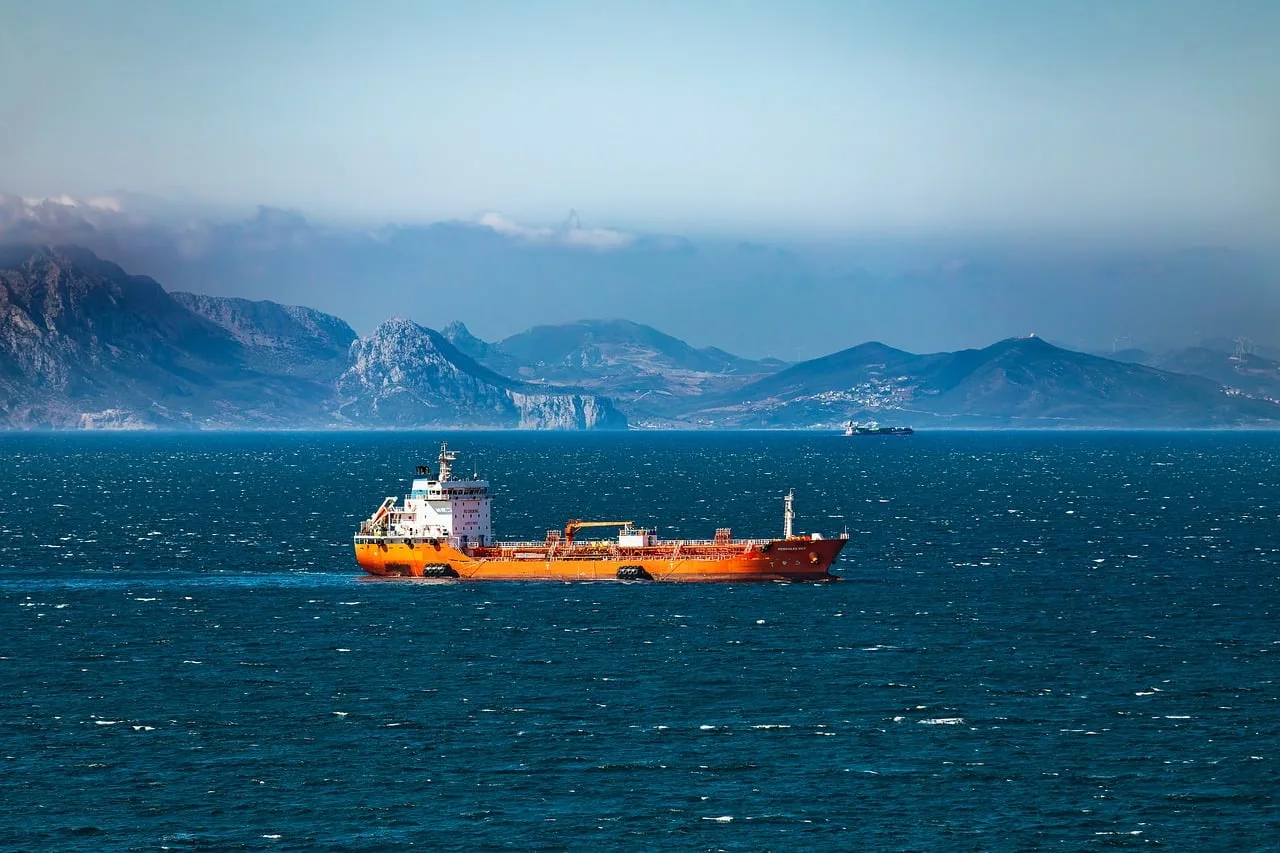










Governments across the globe are aggressively increasing their emergency crude oil reserves this year to insulate their domestic economies from potential supply chain disruptions and geopolitical volatility. This strategic pivot toward stockpiling, led by major energy-importing nations, is expected to tighten global supply and sustain elevated crude prices for the foreseeable future. By securing larger inventories, these nations aim to mitigate the risks associated with the energy shocks that have plagued international markets since 2022.
The Shift Toward Energy Security
The global energy landscape shifted dramatically following the onset of the conflict in Ukraine, which exposed the fragility of reliance on single-source energy supplies. Previously, many nations prioritized lean inventory management to reduce costs, operating on a ‘just-in-time’ delivery model for fuel.
Today, that philosophy has been replaced by a ‘just-in-case’ strategy. Policymakers are now viewing energy reserves as a vital component of national security rather than merely a financial burden.
Market Dynamics and Price Pressures
The immediate consequence of this large-scale procurement is a sustained floor for oil prices. When major economies enter the market to fill their Strategic Petroleum Reserves (SPR), the added demand absorbs excess supply that would otherwise lower market rates.
According to data from the International Energy Agency (IEA), global inventory levels have been a primary focus for central banks monitoring inflation. When state-backed buyers compete with commercial refineries for limited barrels, the competition naturally drives up the cost of crude oil on the international spot market.
Expert Perspectives on Supply Constraints
Energy analysts suggest that this trend is likely to persist as nations seek to diversify their energy portfolios. ‘The move to increase buffers is a structural change in how countries manage their energy risk,’ notes Dr. Elena Rossi, an energy markets researcher.
Data indicates that several G7 nations have mandated minimum inventory levels that significantly exceed pre-pandemic baselines. This long-term commitment to holding more oil acts as a perpetual source of demand, effectively countering efforts by producers to stabilize prices through supply adjustments.
Implications for Consumers and Industry
For the average consumer, this policy shift suggests that gasoline and heating oil prices will remain sensitive to even minor supply interruptions. As governments hold onto these reserves, the ‘cushion’ available to react to sudden shortages is technically larger, but the cost of maintaining that cushion is passed down through the energy supply chain.
Industrial sectors that rely heavily on petrochemicals and logistics face a new reality of higher overhead costs. Businesses are now being advised to hedge their energy needs further into the future to avoid the volatility inherent in a market where governments are active, high-volume participants.
What to Watch Next
Moving forward, the primary factor to monitor is the rate at which these reserves are filled compared to global production capacity. If major oil-producing nations fail to increase output to match this government-backed demand, the upward pressure on prices may intensify. Observers should watch for upcoming IEA monthly reports to see if current stockpiling targets are met or if nations accelerate their purchasing programs to reach new, higher security thresholds.