
The Rise of Upscale Outdoor Lodging
AutoCamp, the prominent hospitality brand known for its fleet of custom Airstream trailers and design-forward outdoor retreats, announced a significant capital raise this week, positioning the company to aggressively expand its footprint ahead of the peak summer travel season. As travelers increasingly seek premium experiences that blend nature with modern convenience, the company plans to utilize these funds to scale its operations across iconic North American landscapes. This strategic move comes as the ‘glamping’ sector continues to transition from a niche trend to a dominant force in the broader travel and tourism industry.
Understanding the Glamping Phenomenon
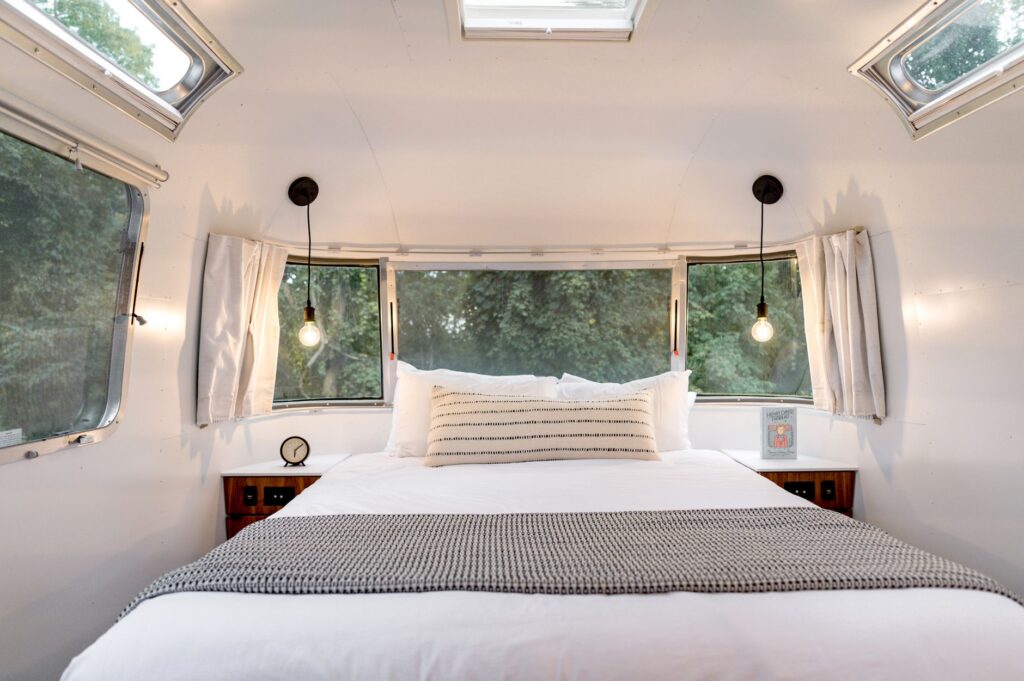
The concept of luxury camping, or ‘glamping,’ has evolved rapidly over the last decade, driven by a demographic shift toward experience-based tourism. Unlike traditional camping, which necessitates equipment ownership and significant physical labor, companies like AutoCamp offer a ‘plug-and-play’ outdoor experience. Guests stay in high-end, climate-controlled Airstream suites and architecturally designed cabins equipped with premium amenities, such as mid-century modern furniture, high-end linens, and chef-grade fire pits.
Market research from Grand View Research indicates that the global glamping market is expected to grow at a compound annual growth rate (CAGR) of over 10% through 2030. This growth is largely attributed to the rising popularity of ‘bleisure’ travel, where individuals combine remote work with leisure activities in scenic, outdoor-oriented environments.
Operational Strategy and Growth Drivers
AutoCamp’s business model relies on a unique combination of high-density site utilization and exclusive location access. By securing long-term leases or partnerships near high-traffic national parks and protected wilderness areas, the company creates a barrier to entry for competitors. The recent capital raise will likely be deployed to acquire new sites and enhance existing infrastructure, such as communal clubhouses and wellness facilities that define the AutoCamp brand identity.
Industry analysts suggest that the company’s focus on design-forward amenities provides a distinct competitive advantage. By positioning itself as a boutique hotel brand rather than a campground, AutoCamp commands higher nightly rates and attracts a demographic that might otherwise gravitate toward luxury resorts or vacation rentals.
Industry Implications and Future Outlook
For the hospitality industry, the success of companies like AutoCamp signals a permanent shift in consumer expectations regarding outdoor travel. Traditional campgrounds may face increased pressure to renovate facilities to meet the rising standards of comfort and connectivity that modern travelers now demand. Furthermore, the influx of capital into the sector suggests that institutional investors view the outdoor hospitality space as a resilient asset class, even during periods of economic volatility.
Looking ahead, stakeholders will be watching how AutoCamp balances rapid geographic expansion with the preservation of the intimate, nature-focused experience that serves as its primary value proposition. As the company scales, maintaining consistency in design quality and service levels will be critical to sustaining long-term brand loyalty. Observers should monitor upcoming site announcements in the Pacific Northwest and the American Southwest, as these regions are expected to be key battlegrounds for outdoor hospitality market share in the coming year.