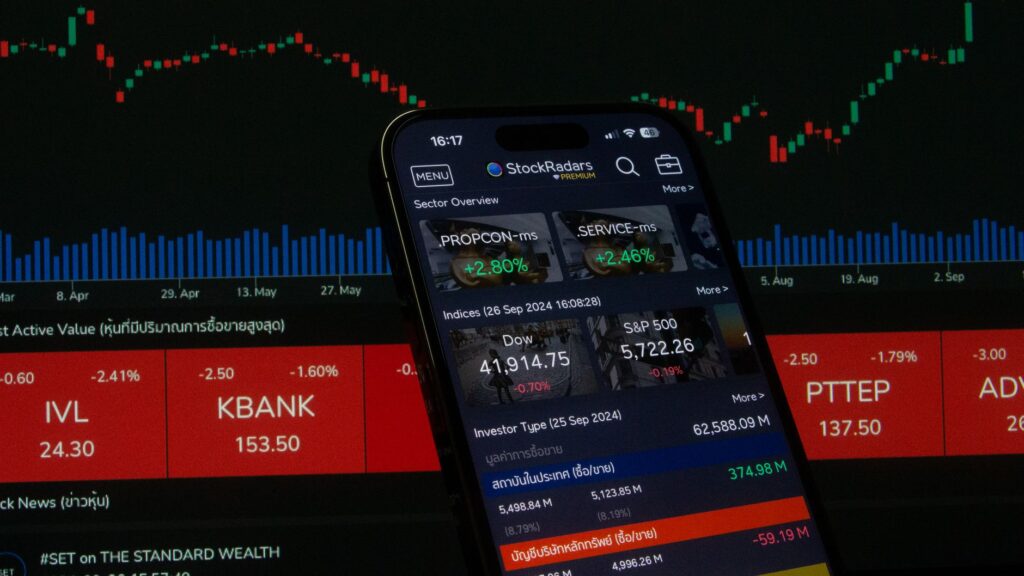

The Securities and Exchange Board of India (SEBI) has intensified its regulatory offensive against market manipulators this month, launching a series of enforcement actions targeting coordinated “pump-and-dump” schemes across the national stock exchanges. By identifying and penalizing entities that artificially inflate stock prices through misinformation, the regulator aims to restore investor confidence and maintain market transparency in an era of rapidly digitizing financial transactions.
The Mechanics of Market Manipulation
Pump-and-dump schemes typically follow a predictable, predatory pattern. Operators acquire large positions in low-liquidity, small-cap stocks before disseminating false, bullish information through social media platforms, messaging apps, and unsolicited investment forums.
These campaigns leverage the fear of missing out (FOMO) to drive retail participation, artificially inflating the share price. Once the valuation hits a predetermined peak, the manipulators offload their holdings, causing the stock price to collapse and leaving unsuspecting retail investors with significant financial losses.
The Rising Tide of Digital Fraud
The proliferation of investment-related content on digital platforms has created a fertile ground for these illicit activities. According to recent SEBI data, the complexity of these scams has evolved, moving from simple phone tips to sophisticated, algorithmic-driven social engineering campaigns.
Financial experts note that the democratization of stock market access has brought millions of first-time investors into the fold. While this growth is positive for economic inclusion, it has also widened the target pool for bad actors who exploit the knowledge gap among novice participants.
Expert Guidance on Investor Vigilance
Market analysts emphasize that the first line of defense is rigorous independent verification. Investors are cautioned to ignore unsolicited stock tips, regardless of how credible the source may appear on social media.
“True wealth creation is rarely the result of a sudden, secret tip,” says one senior market strategist. “Investors must focus on fundamental analysis, checking company balance sheets, and consulting only with SEBI-registered investment advisors before committing capital.”
Data from regulatory filings suggests that diversified portfolios are inherently more resilient to localized price manipulation. By spreading risk across various sectors and asset classes, investors significantly reduce their exposure to the volatility inherent in manipulated, single-stock environments.
Industry Implications and Future Outlook
For the broader financial industry, SEBI’s proactive stance signals a shift toward zero-tolerance enforcement. Regulatory bodies are increasingly deploying artificial intelligence and machine learning tools to detect suspicious trading patterns in real-time, making it harder for manipulators to remain undetected.
As these surveillance technologies become more sophisticated, the market is expected to see a decline in the success rate of coordinated manipulation schemes. Investors should monitor upcoming regulatory circulars regarding digital platform accountability, as these will likely define the next phase of market safety protocols. Moving forward, the focus will remain on the intersection of technological surveillance and investor education as the primary barriers against financial exploitation.