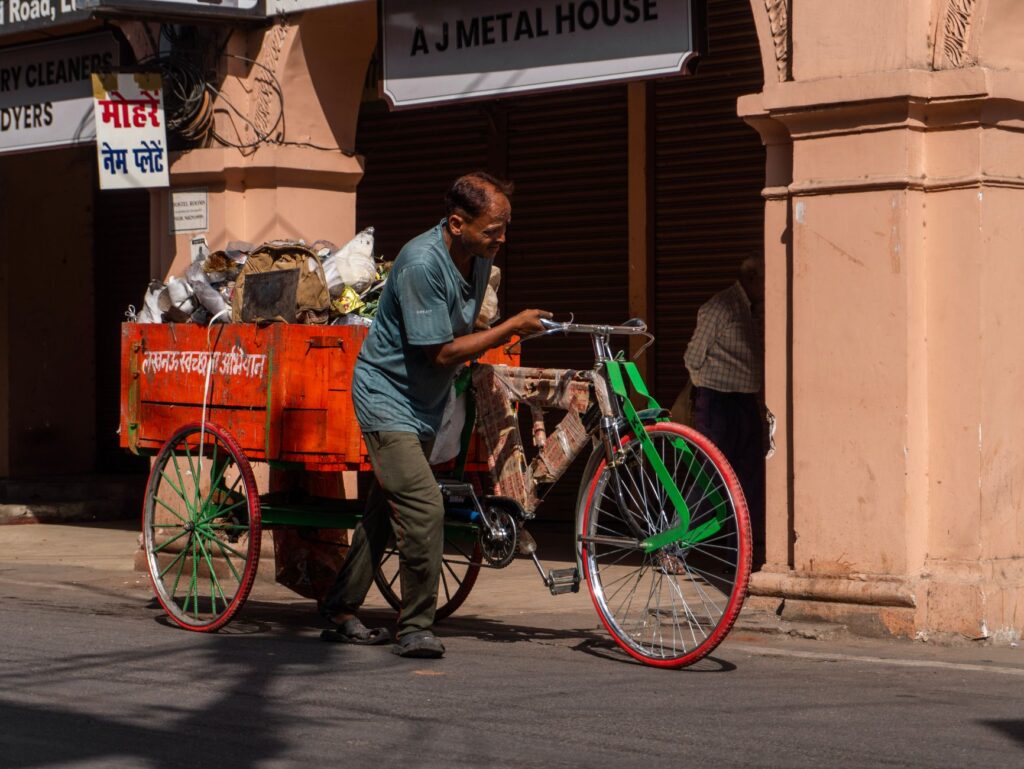

In a significant announcement released this week, the Government of India identified Indore, Surat, Navi Mumbai, Visakhapatnam, and Bhopal as the top five cleanest cities in the country for 2026, according to the annual Swachh Survekshan survey. The rankings, which evaluate municipal sanitation, waste management efficiency, and public participation, highlight a nationwide shift toward sustainable urban development as cities strive to balance rapid infrastructure growth with stringent environmental standards.
The Evolution of the Swachh Survekshan
Since its inception, the Swachh Survekshan—or Cleanliness Survey—has served as a primary driver for urban policy reform in India. Launched under the Swachh Bharat Mission, the initiative incentivizes local municipal bodies to implement scientific waste processing, minimize landfill reliance, and improve public sanitation infrastructure.
Data from the Ministry of Housing and Urban Affairs indicates that the methodology for 2026 placed a heavier emphasis on circular economy practices. Cities are now measured not just by the absence of litter, but by their ability to convert waste into energy and recycled materials.
Top Performers and Economic Realities
Indore continues to maintain its long-standing dominance in the rankings, leveraging a robust door-to-door waste collection system and community-led composting initiatives. As a commercial hub in Madhya Pradesh, the city demonstrates that high cleanliness standards can coexist with industrial growth.
Surat and Navi Mumbai follow closely, with both cities investing heavily in automated sewage treatment and smart monitoring systems. Visakhapatnam and Bhopal have also climbed the ranks by focusing on green corridors and the systematic elimination of black spots, which are areas historically prone to illegal dumping.
However, the economic implications for residents in these top-tier cities are nuanced. While property values and quality of life often rise alongside cleanliness rankings, the cost of living—specifically regarding housing and municipal taxes—frequently trends upward as cities modernize their waste processing facilities and public amenities.
Expert Perspectives on Urban Sustainability
Urban planners note that the sustained success of these cities is rooted in decentralized management. Dr. Anjali Mehta, an urban development analyst, suggests that the competition fostered by the Swachh Survekshan has fundamentally altered the relationship between city councils and citizens.
“The transition toward a ‘waste-to-wealth’ model is no longer a pilot project; it is a necessity for India’s rapidly urbanizing landscape,” Mehta stated. Statistics back this up, with the top five cities reporting a 40% reduction in municipal landfill usage compared to data from five years ago.
Future Implications for Urban Centers
As these rankings become a benchmark for potential investors and residents, the pressure on municipal bodies to maintain these standards will intensify. The focus for 2027 is expected to shift toward ‘water-plus’ status, where cities must demonstrate not only effective solid waste management but also the complete treatment and reuse of wastewater.
Observers should watch for how mid-tier cities adopt these models to compete with the current leaders. The long-term success of this initiative will depend on whether these standards can be replicated in smaller urban clusters that currently lack the fiscal bandwidth to invest in high-tech sanitation infrastructure.