




Radico Khaitan, one of India’s leading spirits manufacturers, announced this week that it is recalibrating its growth strategy to capitalize on surging demand in tier-2 cities and a shifting consumer preference toward white spirits. As the company navigates a maturing market, leadership identified the burgeoning middle class in smaller urban centers and the rising popularity of gin and vodka as the primary catalysts for its next phase of expansion.
The Shift in Consumer Demographics
For decades, the Indian alcohol industry was dominated by major metropolitan hubs and brown spirits like whisky. However, recent market data indicates a significant decentralization of consumption patterns.
Radico Khaitan’s pivot follows a broader trend where disposable income in tier-2 cities has risen steadily, narrowing the gap between rural and urban spending habits. The company plans to increase its distribution network in these regions, aiming to capture consumers who are moving away from local, unorganized segments toward premium, branded offerings.
The Rise of White Spirits
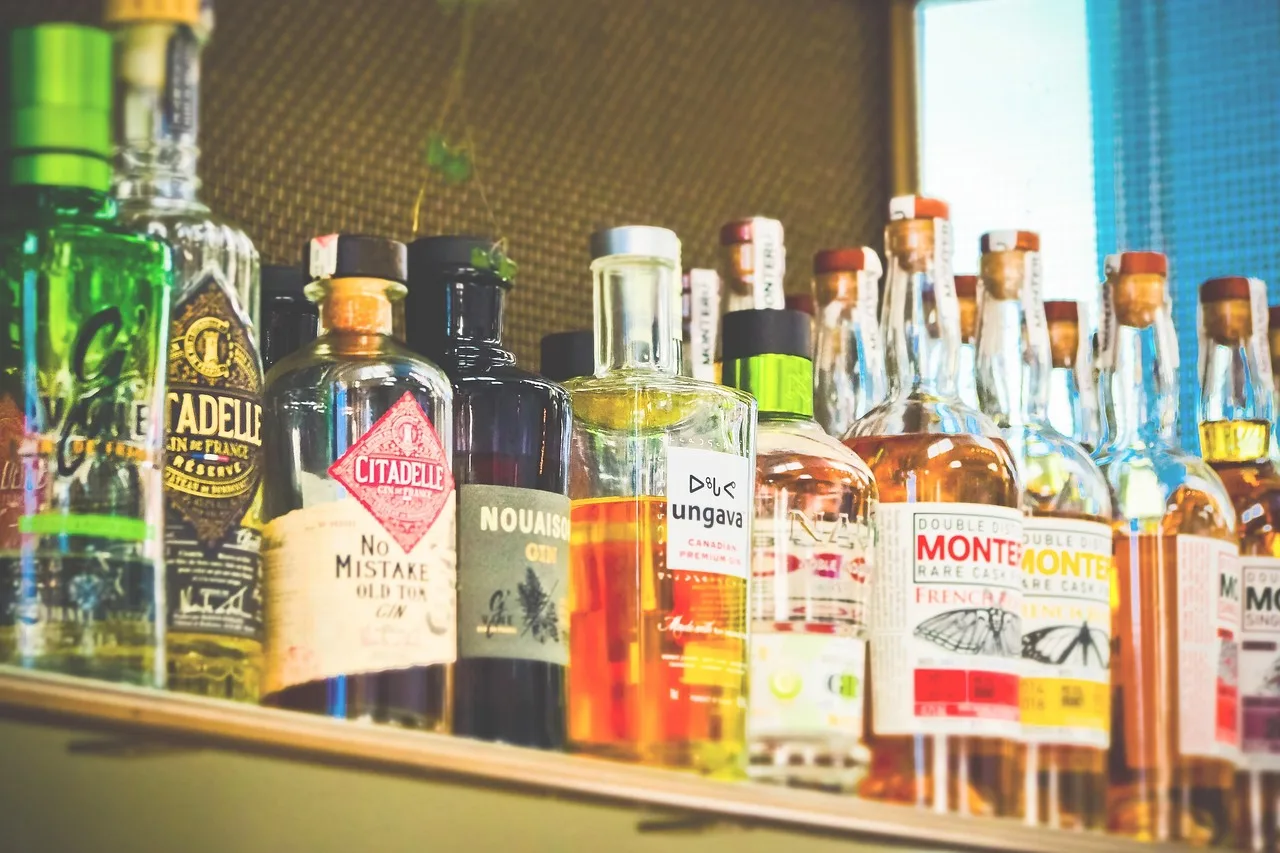
Beyond geographical expansion, the company is doubling down on its white spirits portfolio. While whisky remains the volume leader in India, gin and vodka have seen double-digit growth rates among younger demographics and urban professionals.
Market research from IWSR Drinks Market Analysis suggests that the premiumization trend is driving consumers to experiment with diverse spirits, particularly those suited for cocktail culture. Radico Khaitan, leveraging its established manufacturing infrastructure, is positioning its gin and vodka brands to compete directly with imported labels by offering competitive pricing and premium packaging.
Expert Perspectives on Market Dynamics
Industry analysts note that Radico Khaitan’s approach is a calculated response to changing social norms. “The Indian consumer is becoming more experimental, and the stigma around non-whisky categories is rapidly dissipating,” says one industry consultant.
Data from the Confederation of Indian Alcoholic Beverage Companies (CIABC) supports this, highlighting that the premium segment is growing faster than the mass-market category. By focusing on both the geographic frontier and the product diversification front, the company aims to insulate itself from the volatility often associated with the traditional, price-sensitive whisky market.
Implications for the Industry
This strategic move signals a departure from the industry’s historical reliance on established metro markets. Competitors are likely to follow suit, leading to an aggressive expansion of supply chains into previously underserved districts.
For consumers, this shift promises greater availability of premium spirits in smaller towns and a wider variety of choices. Investors should monitor how the company manages the logistical costs of penetrating tier-2 markets, as supply chain efficiency will be the primary determinant of profit margins in this new phase. Looking ahead, the industry will likely see increased marketing spend focused on cocktail education and lifestyle branding as companies fight to secure brand loyalty among the country’s younger, aspirational demographic.