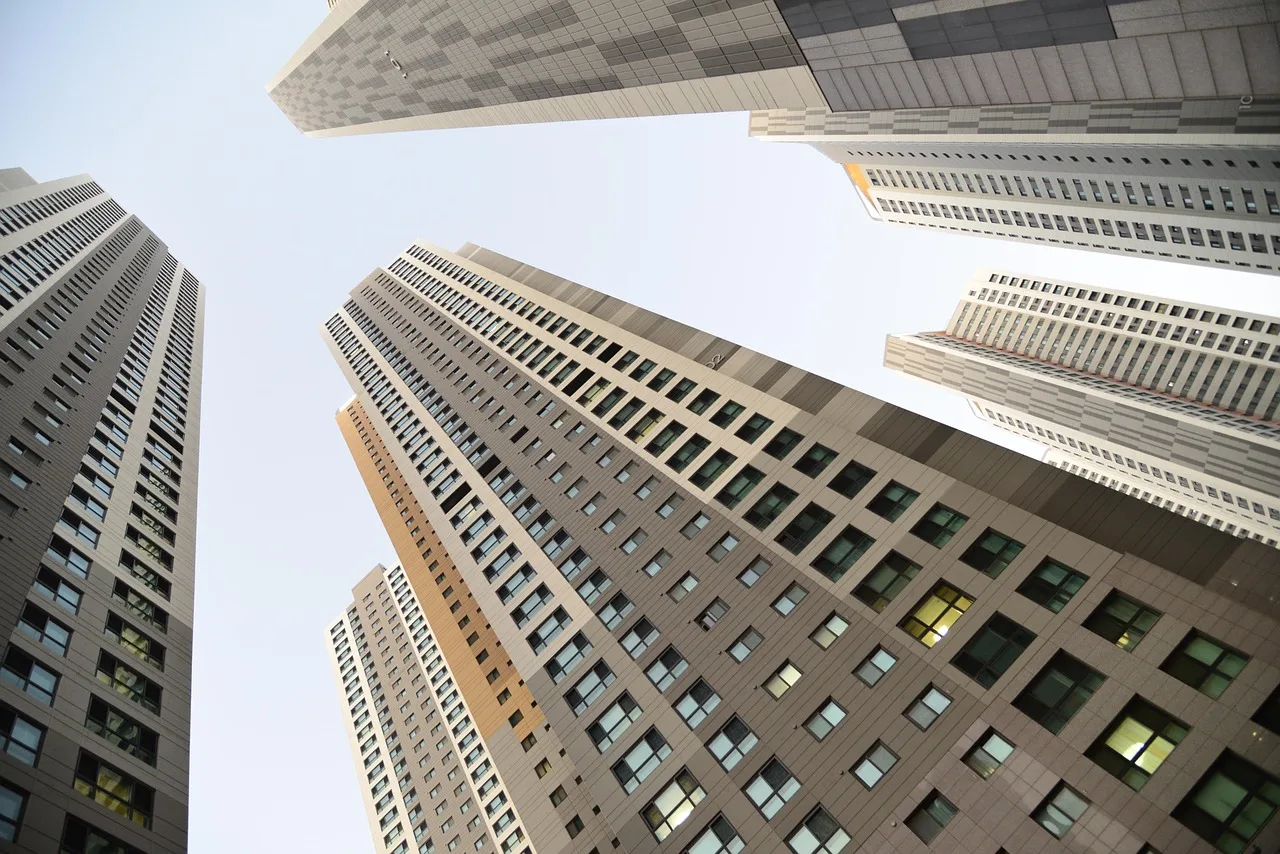





Gurugram’s real estate sector has surged to an unprecedented Rs 27,000 crore (approximately $3 billion) in investments during the first four months of 2026, according to data released by the Real Estate Regulatory Authority (RERA) Gurugram this Thursday. Despite persistent infrastructure challenges, the city approved 35 new projects between January and April, signaling a robust expansion in developer activity and sustained investor confidence in the region’s economic trajectory.
The Residential Dominance
The latest market data highlights a clear preference for residential development over other asset classes. Of the 35 projects sanctioned by RERA in the early months of 2026, 23 are strictly residential, accounting for 10,630 of the 11,513 total units approved. This brings the authority’s cumulative project approvals to 1,057, with the residential segment maintaining a commanding lead with 825 total projects recorded in the Ministry of Housing and Urban Affairs (MoHUA) tracker.
Institutional Reforms and Market Credibility
The current investment boom is largely attributed to a series of institutional reforms designed to bolster market transparency and protect consumer interests. Gurugram RERA has implemented rigorous vetting processes for all promoter submissions, requiring mandatory physical site inspections by domain experts prior to any project approval. Furthermore, developers must now file quarterly progress reports (QPR) and participate in public consultations, moves that have significantly cleaned up the sector’s image.
Clearing the Legacy Backlog
Beyond new approvals, Gurugram RERA has emerged as a national leader in dispute resolution, effectively clearing all pending complaints filed up to 2024. This administrative efficiency has provided much-needed relief to homebuyers who previously faced long delays. By eliminating this legacy backlog, the authority has stabilized the local market, making it more attractive to institutional investors who prioritize regulatory certainty.
Economic Resilience vs. Infrastructure Constraints
The massive influx of capital comes as the city continues to navigate well-documented urban bottlenecks, including drainage issues and traffic congestion. Analysts suggest that the sheer volume of investment indicates that the long-term economic potential of the Gurugram business hub currently outweighs these infrastructure concerns. The market is clearly betting on the city’s ability to accommodate future growth through ongoing urban development initiatives.
Implications for the Future
Looking ahead, stakeholders should monitor how the integration of mandatory QPRs impacts construction timelines for the 10,630 new residential units. As the authority maintains its strict oversight, the focus will likely shift toward sustainable infrastructure development to match the rapid pace of residential supply. Investors should anticipate continued price appreciation in areas where infrastructure improvements align with the high volume of new project deliveries throughout the remainder of 2026.