
South Korea’s export sector recorded a robust performance in June, driven primarily by a sustained global surge in demand for semiconductors. Government data released this week confirms that this uptick has secured a significant trade surplus, positioning the nation’s economy on a firmer footing and influencing the monetary policy outlook for the Bank of Korea ahead of its July 16 meeting.
The Context of Export-Led Growth
As one of the world’s most trade-dependent economies, South Korea serves as a bellwether for global industrial health. The current export cycle is heavily anchored in the technology sector, specifically high-bandwidth memory chips essential for artificial intelligence infrastructure.
This recovery follows a period of stagnation in 2023, where high interest rates and cooling global consumer demand hampered shipments. The pivot toward AI-integrated technology has acted as a catalyst, reviving the manufacturing output of major conglomerates like Samsung Electronics and SK Hynix.
Inside the Semiconductor Boom
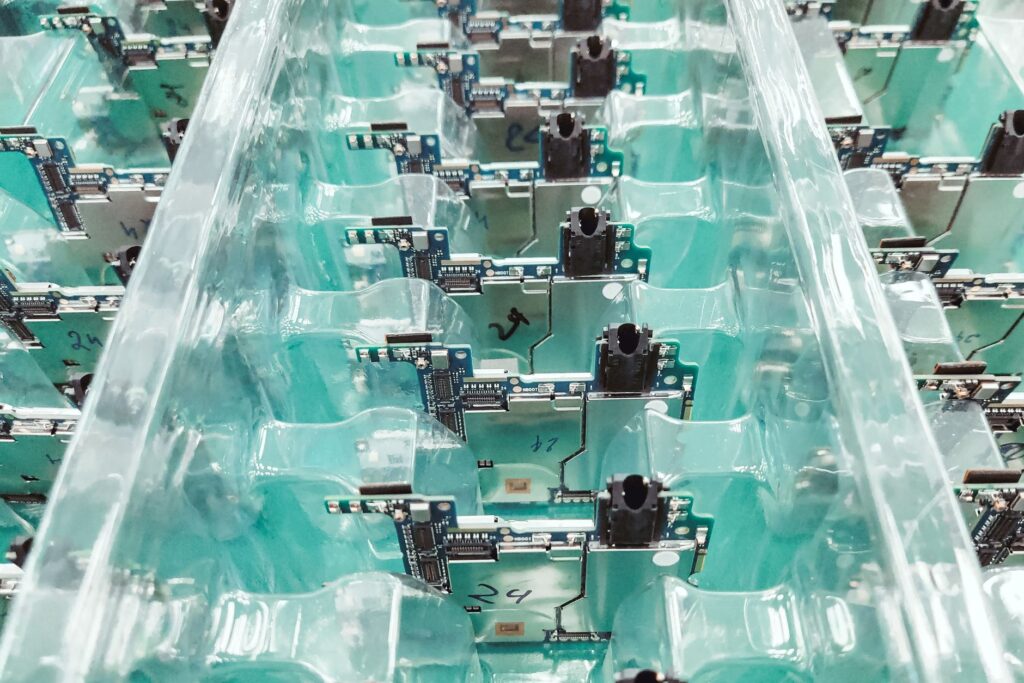
The Ministry of Trade, Industry and Energy reported that semiconductor exports alone saw double-digit growth year-over-year in June. This surge reflects the massive capital expenditure currently flowing into data centers and AI development globally.
Beyond chips, the diversification of export markets has also played a crucial role. While China remains a primary partner, South Korean firms have successfully increased their share in the United States and European markets, mitigating risks associated with regional economic slowdowns.
Market analysts note that the volume of shipments is rising alongside the unit price of memory chips. This dual-effect improvement in both quantity and value significantly bolsters the national trade balance, providing a cushion against volatile energy import costs.
Expert Perspectives and Policy Implications
Economists at major financial institutions suggest that the sustained trade surplus provides the Bank of Korea (BOK) with more room to maneuver. With inflation showing signs of stabilization but remaining above target, the BOK has maintained a hawkish stance to preserve currency stability.
“The export data gives the central bank confidence that the domestic economy can withstand higher interest rates for longer,” said a senior analyst at a Seoul-based brokerage. The strength of the export sector suggests that the BOK is unlikely to pivot to aggressive rate cuts, prioritizing the control of household debt and inflationary pressures instead.
Data from the Korea Customs Service indicates that the trade surplus has now stretched for several consecutive months. This consistent inflow of foreign capital is a vital component in maintaining the stability of the Korean won against the U.S. dollar.
Future Outlook and Industry Impact
Looking ahead, the primary concern for the industry remains the sustainability of the AI-driven demand cycle. If global tech firms maintain their current pace of infrastructure investment, South Korean exports are expected to remain a key engine of GDP growth through the remainder of the year.
Investors and policy watchers will be closely monitoring the July 16 BOK meeting for clues regarding the trajectory of interest rates. Any indication that the bank views the export surge as a long-term stabilizer could lead to a more hawkish tone in their forward guidance, potentially influencing capital flows into the Korean equity market.
The critical factor to watch in the coming quarter will be whether this semiconductor momentum spills over into other sectors, such as petrochemicals and automotive exports, which have shown more sensitivity to global macroeconomic headwinds.