
Expanding Horizons in the Indian Market
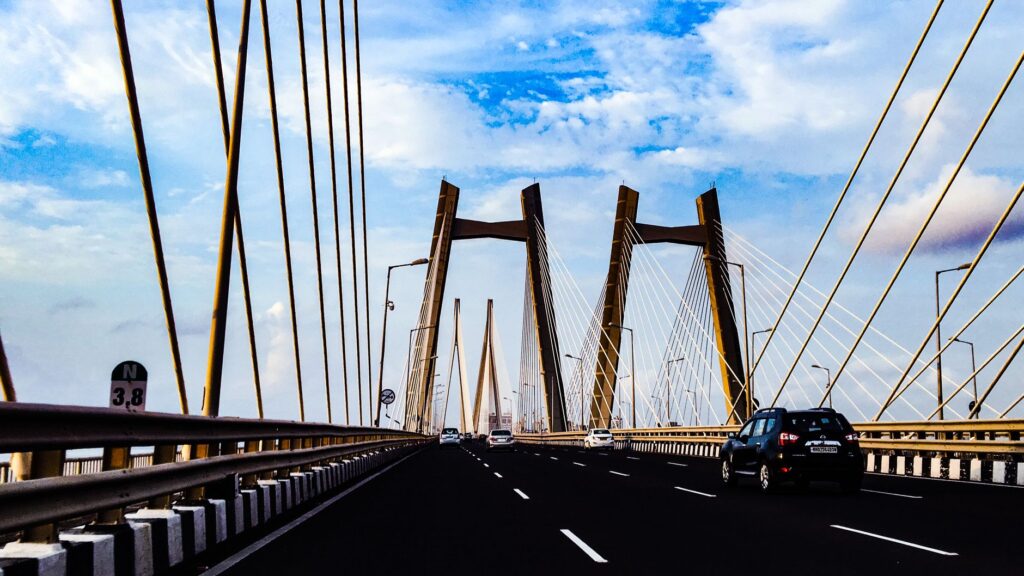
French ride-sharing giant BlaBlaCar announced this week that it is prioritizing India as a core market for its global expansion, pivoting toward a subscription-based revenue model to capitalize on the country’s surging demand for intercity travel. The company aims to leverage India’s rapidly developing infrastructure, including a vast network of new national highways and expressways, to capture a larger segment of the domestic transit market.
This strategic shift comes as the platform reports a significant uptick in user activity, driven by higher car ownership rates and a cultural shift toward frequent weekend getaways. By moving away from purely transaction-based fees toward recurring revenue streams, the platform intends to stabilize its financial footprint in a highly competitive and price-sensitive region.
The Infrastructure Catalyst
India’s transport landscape has undergone a radical transformation over the past five years. Massive government investments in highway connectivity have reduced travel times between major Tier-1 and Tier-2 cities, making carpooling a more attractive alternative to traditional rail or bus travel.
According to recent industry data, the Ministry of Road Transport and Highways has accelerated the construction of expressways, which now exceed 4,000 kilometers nationwide. This physical expansion directly correlates with the rise in private vehicle usage, providing BlaBlaCar with a larger supply of drivers and a more consistent flow of passengers looking for cost-effective transit options.
Operational Shifts and Monetization
BlaBlaCar’s transition toward subscription-led monetization marks a departure from its legacy commission-per-ride model. Executives suggest that this approach aims to build long-term loyalty among frequent commuters, who represent the bulk of the platform’s daily active users.
Industry analysts note that subscription models are increasingly common in the Indian digital economy, as they provide predictable cash flow and allow platforms to bundle additional services like insurance or loyalty rewards. By lowering the barrier to entry for daily users, the company hopes to combat the churn rates often seen in the volatile ride-sharing sector.
Market Perspectives and Economic Impact
Market experts point out that the Indian demographic—a young, tech-savvy population with a growing appetite for mobility—is ideally suited for the collaborative economy. Data from the India Brand Equity Foundation suggests that the shared mobility market is projected to grow at a compound annual growth rate of over 15% through 2026.
“The move to a subscription model is a calculated risk that hinges on the platform’s ability to prove value beyond just a one-off trip,” says independent mobility consultant Anjali Rao. “If they can integrate the service into the daily lives of professionals and students, they will secure a dominant market position against traditional public transport alternatives.”
Future Implications for Shared Mobility
The success of this pivot will likely set a precedent for other global platforms operating in emerging economies. As fuel prices fluctuate and urban congestion worsens, the value proposition of organized, app-based carpooling becomes more compelling for the average consumer.
Observers should watch for how BlaBlaCar balances its new subscription fees with the price sensitivity of the Indian consumer. The company’s ability to scale this model without alienating its existing driver base will be the defining factor in its long-term viability. Future developments will likely include deeper integration with local digital payment ecosystems and potentially the inclusion of micro-mobility options to solve last-mile connectivity challenges in dense urban centers.