





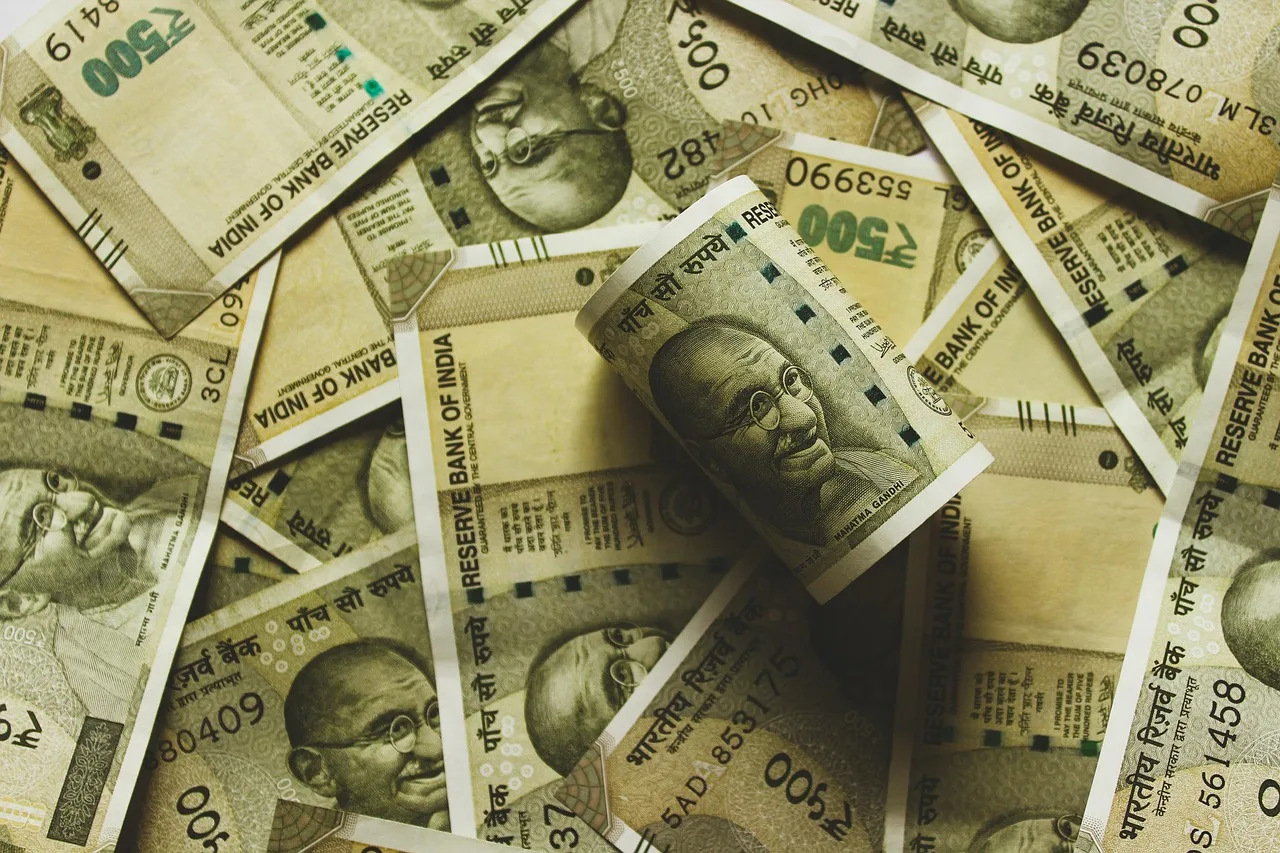
The Reserve Bank of India (RBI) announced on Thursday that 98.47% of the ₹2000 banknotes that were in circulation as of May 19, 2023, have been successfully returned to the banking system. This massive liquidity mop-up operation, initiated over a year ago, has reduced the total value of these high-denomination notes from ₹3.56 lakh crore to just ₹5,451 crore.
Context of the Currency Withdrawal
In a surprise move on May 19, 2023, the RBI decided to withdraw the ₹2000 denomination banknotes from circulation. The central bank cited its ‘Clean Note Policy’ as the primary driver for this decision, noting that these notes had completed their estimated lifespan of four to five years.
The ₹2000 note was introduced in November 2016 following the sudden demonetization of ₹500 and ₹1000 notes. While initially intended to meet the urgent currency requirements of the economy at that time, the RBI stated that the objective had been met, and other denominations were now available in sufficient quantities.
Operational Mechanics and Public Compliance
The central bank provided citizens with multiple avenues to exchange or deposit their holdings. Individuals could deposit these notes into their bank accounts or exchange them at any bank branch across the country, as well as at the 19 regional offices of the RBI.
Initially, the deadline for this process was set for September 30, 2023, but the RBI later extended this window to October 7, 2023. Even after the deadline for exchange at branches passed, the public continued to have the facility to exchange or credit the notes into their bank accounts at the RBI’s regional offices.
Financial Impact and Industry Perspective
Economists view this liquidity contraction as a significant step in the formalization of the Indian economy. By forcing high-value cash into the formal banking channel, the RBI has gained greater visibility into the movement of large sums of liquidity.
Data indicates that the withdrawal process has occurred without causing significant disruption to the broader financial markets. The banking sector has absorbed the influx of deposits seamlessly, with liquidity levels remaining relatively stable throughout the transition period.
Future Implications for the Indian Economy
The remaining ₹5,451 crore in circulation remains legal tender, though its utility for daily transactions has effectively vanished as commercial outlets stop accepting the notes. Financial experts suggest that the remaining notes are likely held by individuals in remote areas or are part of collections that have not yet reached the banking system.
Looking ahead, market watchers will monitor the RBI’s next steps regarding these residual notes. Observers are also watching for how this shift influences digital payment adoption, as the reduction in physical high-denomination cash continues to push the economy further toward Unified Payments Interface (UPI) and other digital transaction frameworks.