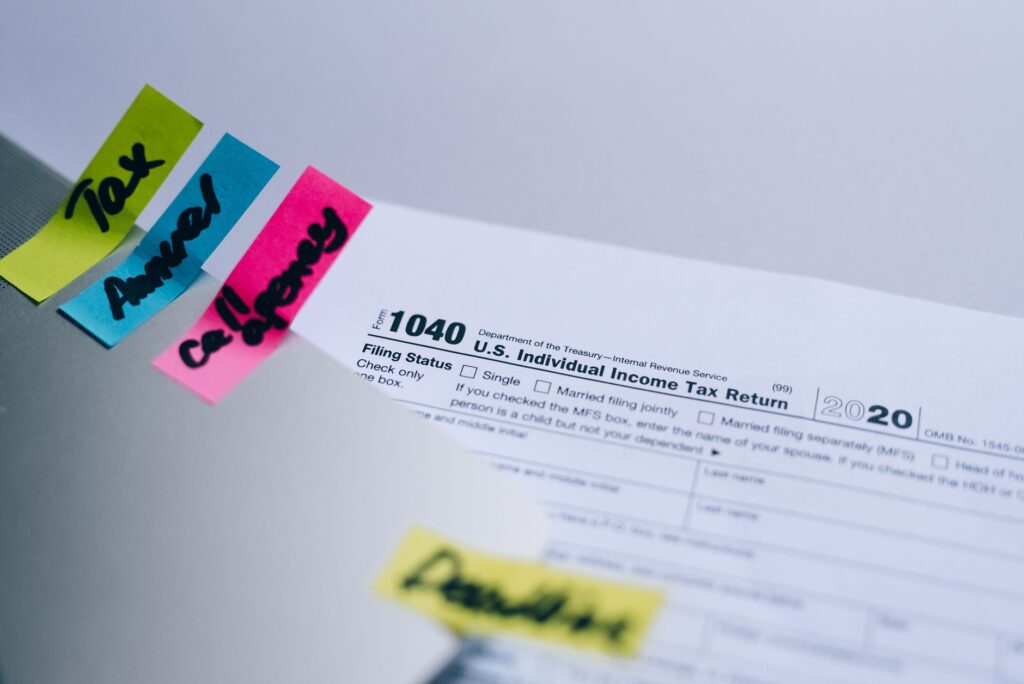

Understanding the Treasury Proposal
The Department of the Treasury has recently put forward a set of regulatory proposals that could profoundly alter the financial landscape for private educational institutions across the country. Under the newly drafted rules, thousands of private schools face the potential loss of their long-standing tax-exempt status. This shift would fundamentally change how these independent learning centers operate and secure funding.
At the core of this policy change is a reevaluation of how federal tax exemptions apply to private academic entities. For generations, these institutions have relied on tax-exempt status to support their educational missions, maintain endowment growth, and fund campus operations. The new regulatory framework introduces stringent criteria that many smaller or specialized private schools may struggle to meet.
Impact on Charitable Donations
Beyond the immediate operational challenges for the schools themselves, the Treasury proposal introduces a significant threat to a vital tax incentive for donors. Currently, individuals and corporations receive valuable tax deductions for contributing to charitable organizations, including private colleges and universities.
If these institutions lose their tax-exempt standing, the financial incentive for philanthropy could diminish rapidly. Donors who have traditionally relied on these deductions to offset their tax liabilities may redirect their charitable contributions elsewhere. This potential drop in philanthropic support could create severe budget deficits for private academies that depend heavily on alumni giving and external endowments.
Broader Implications for Private Education
Independent schools serve a diverse segment of the student population, offering specialized curricula and alternative learning environments. Stripping these institutions of their tax-exempt status could force administrators to raise tuition rates significantly to compensate for lost revenue and reduced donations.
Higher tuition costs would likely place private education further out of reach for middle-income families, narrowing the socioeconomic diversity of the student body. Furthermore, academic programs, faculty recruitment, and campus infrastructure projects could face deep budget cuts as institutions scramble to adapt to the new fiscal reality.
Looking Ahead at Regulatory Reviews
The publication of these proposed regulations marks the beginning of a lengthy administrative review process. Higher education leaders, legal experts, and institutional advocates are expected to scrutinize the details of the Treasury document and submit formal comments during the public feedback period.
As the debate unfolds, the future of tax exemptions for private academies remains uncertain. The final outcome of these regulatory changes will likely shape the funding strategies and institutional viability of private education for years to come, making it one of the most critical policy developments for the sector.