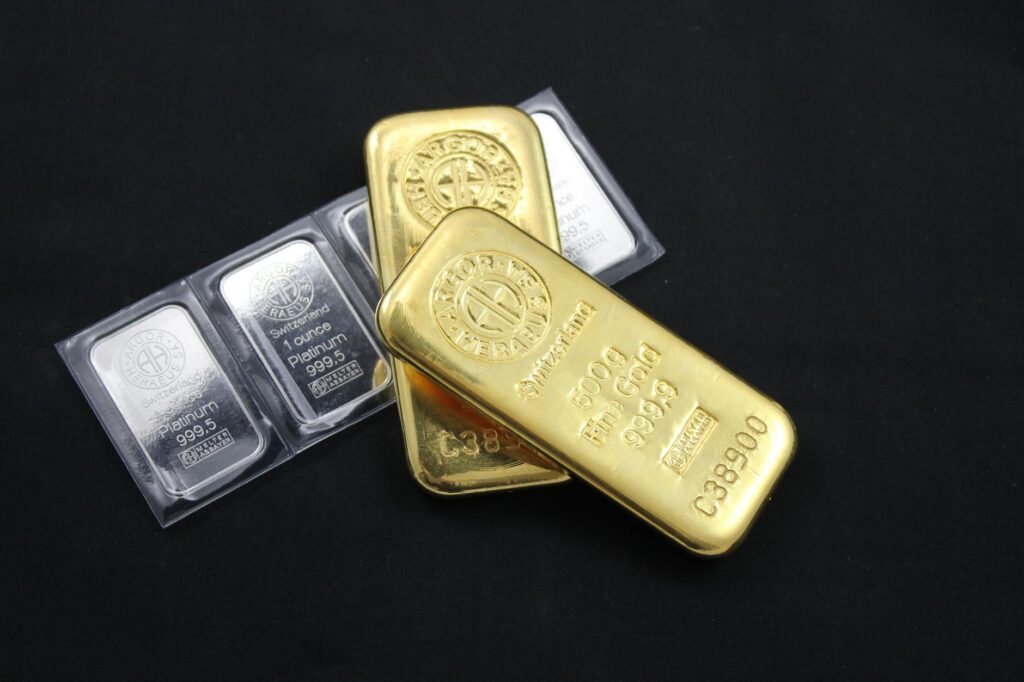

Market Overview
As of June 30, gold and silver prices in major Indian metropolitan hubs including Delhi, Mumbai, and Kolkata continue to reflect global volatility, impacting retail consumers and investors alike. The fluctuations in precious metal rates are driven by a combination of shifting international market sentiments, currency exchange variations, and local demand patterns across these key urban centers.
The Context of Precious Metal Valuation
Gold and silver prices in India are influenced by various macro-economic factors, including the strength of the Indian Rupee against the US Dollar and international bullion market trends. Because India is one of the world’s largest importers of gold, domestic prices are highly sensitive to global price movements on the Multi Commodity Exchange (MCX) and the London Bullion Market Association.
Analyzing Current Retail Trends
In Delhi, the retail price for 24-karat gold remains a benchmark for buyers, while the 22-karat variant is typically favored for jewelry purchases due to its durability. Similarly, markets in Mumbai and Kolkata show comparable price movements, though local taxes and logistical costs can lead to minor variations in the final retail rate.
Silver, often viewed as a more volatile alternative to gold, has seen its own price trajectory as industrial demand competes with investment hedging. Market analysts note that silver’s dual role as both a precious metal and an industrial commodity makes it particularly susceptible to shifts in manufacturing outlooks.
Expert Perspectives and Market Data
Financial analysts suggest that investors are currently monitoring central bank policies closely, as interest rate decisions directly correlate with bullion performance. According to recent market data from the MCX, the futures contracts for both metals have displayed significant intraday shifts, signaling a period of uncertainty for short-term traders.
Market experts emphasize that while gold serves as a traditional safe-haven asset, retail buyers should remain aware of the “making charges” and purity certifications that fundamentally alter the final cost of jewelry. Consumers are encouraged to verify current rates from authorized bullion dealers before finalizing transactions to ensure transparency.
Implications for Consumers and Investors
For the average consumer, these price shifts necessitate a cautious approach to gold acquisition, particularly as wedding seasons and festival cycles approach in the coming months. High volatility often suggests that waiting for a price correction could yield better value for those looking to purchase physical gold for long-term holding.
For institutional investors, the current landscape requires careful portfolio balancing. As global inflationary pressures persist, gold continues to be a standard hedge, yet the performance of silver remains tied to the broader economic recovery of industrial sectors. Observers should continue to watch the upcoming Federal Reserve announcements and domestic inflation reports, as these will likely dictate the price direction for the next quarter.