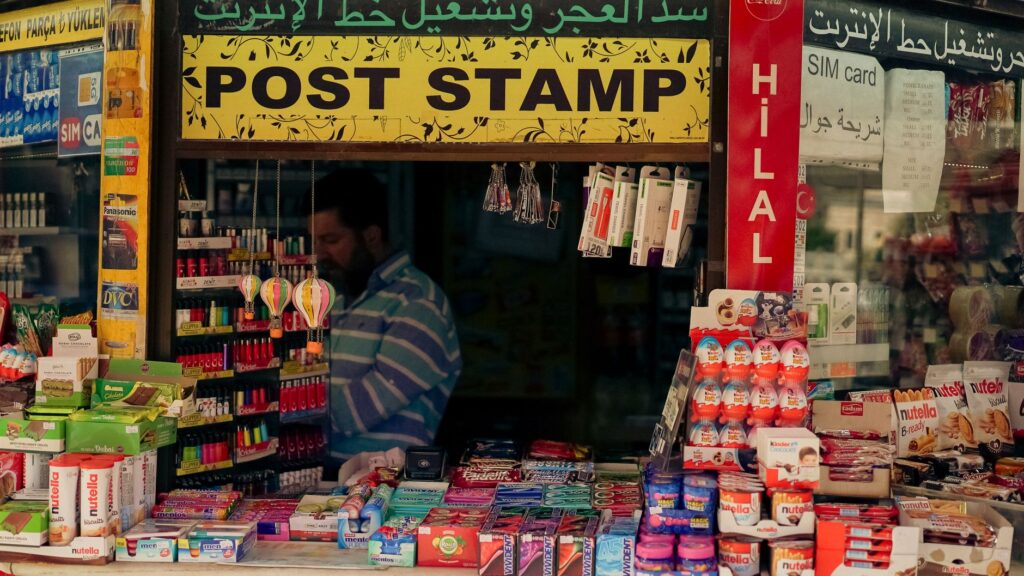

Retail industry representatives are voicing serious concerns over upcoming federal nutritional requirements that could disrupt operations for numerous smaller retail locations across the United States. Trade groups argue that updated stocking mandates tied to government assistance programs might compel many small merchants to abandon participation entirely, creating severe access hurdles for vulnerable consumers.
The regulatory shift centers on the Supplemental Nutrition Assistance Program, widely known as SNAP, which provides grocery purchasing assistance to millions of low-income Americans. Federal administrators have sought to update eligibility standards to ensure that authorized retailers maintain a broader selection of fresh produce, dairy, whole grains, and other nutritious items on their shelves at all times.
Background on Federal Nutrition Standards
For decades, corner stores and smaller neighborhood markets have served as vital access points for individuals utilizing government food benefits. Many of these enterprises operate in urban food deserts or rural areas where traditional supermarkets are scarce or entirely absent. In these communities, convenience shops bridge the gap by offering essential sustenance within walking distance for residents lacking reliable transportation.
However, updating inventory to meet stringent federal guidelines poses profound logistical obstacles for compact retail spaces. Unlike sprawling chain supermarkets that manage vast supply chains and possess substantial storage capacity, local neighborhood shops struggle with limited square footage, refrigeration constraints, and higher wholesale acquisition costs for perishable items.
Operational Challenges for Small Merchants
Trade associations representing independent shop owners point out that maintaining fresh produce inventory involves substantial financial risk due to rapid spoilage. When fruits and vegetables expire quickly before purchase, the resulting inventory loss directly harms the narrow profit margins typical of small-scale retail operations.
Furthermore, upgrading refrigeration units to store larger quantities of dairy, meat, and fresh produce requires significant capital expenditure. Many independent merchants operate on tight budgets and cannot easily absorb the costs associated with equipment purchases and energy consumption increases.
Impact on Food Security and Access
If independent merchants choose to drop SNAP authorization rather than incur heavy compliance costs, the consequences could ripple across local neighborhoods. Consumers who rely on nearby shops for daily grocery needs might find themselves forced to travel significant distances to obtain basic nourishment.
Advocates for low-income households emphasize that reducing the number of authorized retail locations undermines the fundamental purpose of the assistance program, which aims to alleviate hunger and improve nutritional intake. When benefit recipients lose convenient access points, overall food security in affected communities can deteriorate rapidly.
Industry Calls for Flexibility
Commercial groups and small business advocates are actively urging federal regulators to adopt a more flexible approach toward compliance. Proposed solutions include offering financial grants to help merchants upgrade refrigeration infrastructure, providing realistic timelines for inventory adjustments, and tailoring requirements based on store size and geographic location.
Without constructive dialogue and meaningful policy adjustments between regulators and retail representatives, the looming nutritional mandates risk achieving the opposite of their intended goal. Instead of expanding healthy food access, strict enforcement could inadvertently eliminate vital purchasing options for communities that depend on them the most.