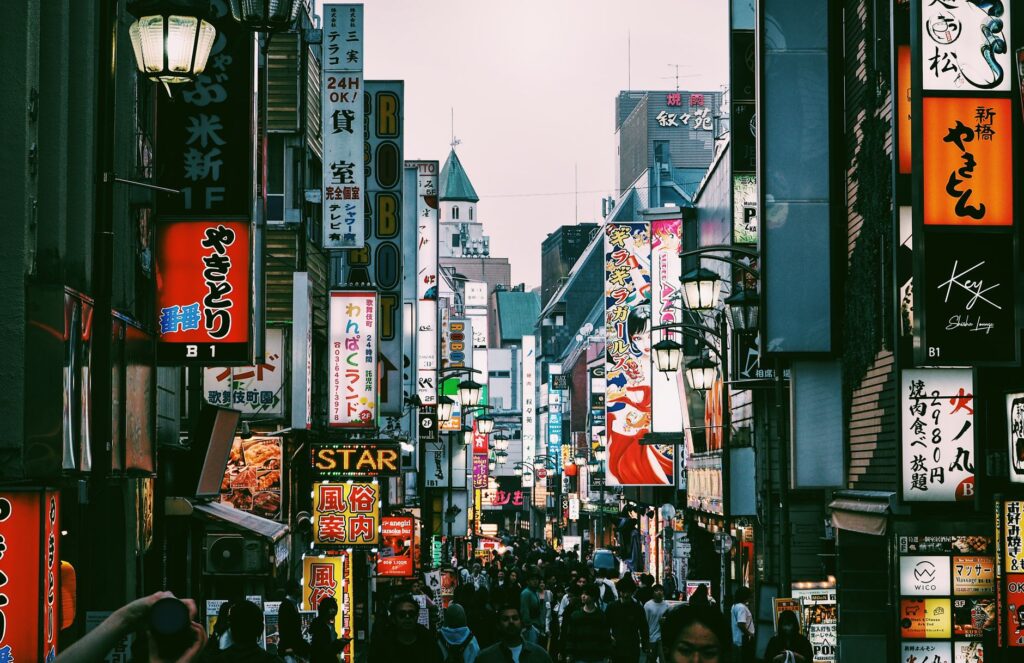

Japan’s retail sector experienced a significant boost in May, with sales rising 1.9% month-on-month and 5.3% year-on-year, according to data released by the Ministry of Economy, Trade and Industry. This performance surpassed market expectations, marking the third consecutive month of growth as a combination of rising nominal wages, government subsidies, and a robust influx of international tourists continues to stimulate domestic spending across the archipelago.
The Economic Backdrop
For years, Japan struggled with stagnant wage growth and a deflationary mindset that suppressed consumer spending. The recent uptick in retail activity reflects a deliberate shift in the nation’s economic landscape, supported by the Bank of Japan’s (BOJ) ongoing efforts to normalize monetary policy.
As inflation expectations have stabilized, the government has utilized targeted subsidies to alleviate the cost-of-living burden on households. These measures have effectively bolstered purchasing power, allowing consumers to increase their discretionary spending despite broader global economic uncertainties.
Drivers of the Consumption Spike
The primary engine of this growth remains the sustained increase in wage levels, which reached their highest growth rates in decades during the recent Shunto spring wage negotiations. Major corporations have committed to salary hikes, providing workers with the liquidity necessary to increase their consumption of goods and services.
Simultaneously, the tourism sector has acted as a powerful multiplier for retail performance. With the yen remaining relatively weak against major currencies, Japan has become an increasingly attractive destination for global travelers. This surge in inbound tourism has significantly boosted sales in department stores, duty-free outlets, and luxury boutiques, particularly in urban centers like Tokyo and Osaka.
Expert Perspectives and Data
Market analysts note that while the 5.3% year-on-year increase is impressive, it also highlights a critical inflection point for the Bank of Japan. Data from the BOJ suggests that the central bank is closely monitoring these consumption patterns to determine the timing of further interest rate hikes.
“The data indicates that the transmission mechanism between wage growth and consumption is finally taking hold,” says an analyst at the Japan Macroeconomic Research Institute. “However, the sustainability of this trend depends heavily on whether real wages can outpace the persistent rise in commodity and import costs.”
Official reports also point to a recovery in the automobile sector and a steady demand for seasonal apparel, which contributed to the strong May figures. Despite these gains, retail sentiment remains cautious as businesses navigate the complexities of supply chain management and shifting consumer preferences in an inflationary environment.
Industry Implications
For domestic retailers, this trend presents both an opportunity and a challenge. Businesses are currently under pressure to balance increased labor costs with the need to maintain competitive pricing to sustain the current momentum in sales.
Investors are now looking toward the upcoming quarterly earnings reports to gauge whether this retail strength is translating into improved profit margins. As the Bank of Japan prepares for potential policy adjustments, the retail sector will serve as a bellwether for the overall health of the Japanese economy.
Looking ahead, market observers will be watching the July and August consumption data, which typically reflects summer bonus payouts and peak tourism travel. If wage growth continues to permeate throughout smaller and medium-sized enterprises, the current retail expansion could prove to be the start of a more durable economic recovery.