
In a significant boost to Maharashtra’s electrical infrastructure, Ashoka Buildcon Limited has officially secured a Letter of Intent (LoI) for a major power transmission project. The infrastructure giant received the mandate from REC Power Development and Consultancy Limited, a wholly-owned subsidiary of REC Limited. The project is structured around an annual transmission charge of ₹126.5 crore, marking a substantial addition to the company’s expanding portfolio.
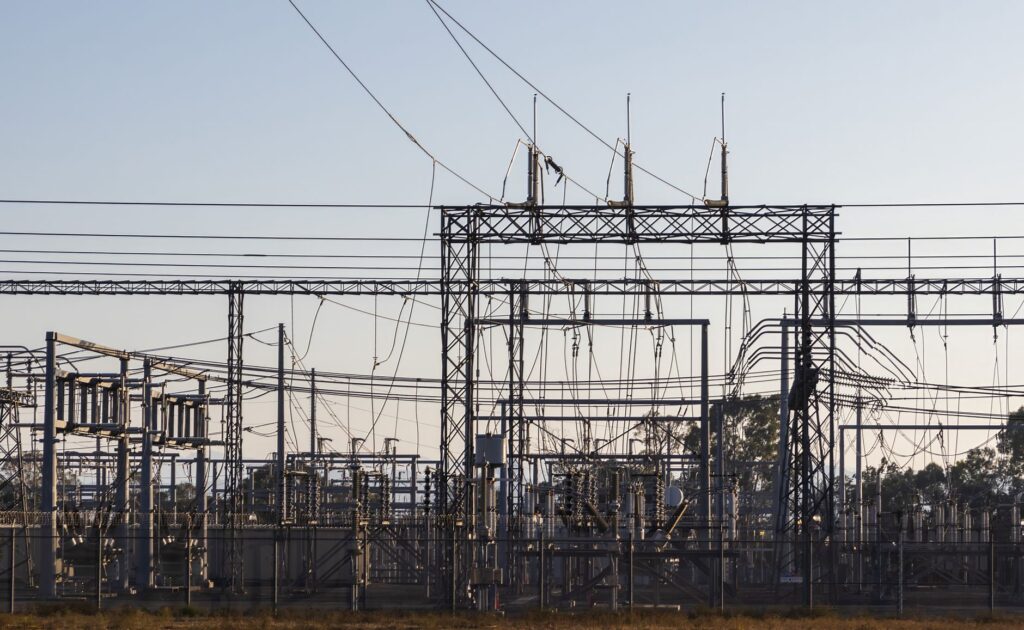
The development focuses on the establishment of a state-of-the-art power substation in Sakoli, situated within the Bhandara district of Maharashtra. This strategic initiative aims to enhance grid stability and meet the rising power demands of the region. Official sources indicate that the project was awarded through a competitive bidding process, highlighting Ashoka Buildcon’s strong positioning in the domestic infrastructure sector.
Strengthening Maharashtra’s Power Grid
Maharashtra, as one of India’s primary industrial hubs, continuously requires robust utility and power transmission frameworks to sustain its economic momentum. The Bhandara district, located in the eastern part of the state, has seen steady growth in industrial and agricultural activities, necessitating a more reliable power distribution network. The upcoming substation in Sakoli is poised to address these regional energy requirements directly.
Ashoka Buildcon has historically been a dominant player in highway construction, but the company has progressively diversified into power transmission and distribution. This latest contract aligns with the company’s long-term strategy to capture a larger share of India’s rapidly modernizing utility market. By partnering with REC Power Development and Consultancy, the firm cements its role as a key contributor to national grid development.
REC Power Development and Consultancy Limited plays a pivotal role as the bid process coordinator for such high-value transmission assets. By facilitating transparent competitive bidding, the agency ensures that only technically competent and financially sound developers are selected. This project marks another step forward in the central government’s initiative to bolster regional transmission networks through private sector participation.
Project Scope and Financial Structure
According to official corporate filings, the project was secured under the Tariff-Based Competitive Bidding (TBCB) framework. This mechanism ensures cost-efficiency and transparency in the selection of transmission service providers across the country. The annual transmission charges of ₹126.5 crore will serve as a steady revenue stream for the company over the designated concession period.
The core of the project involves the design, financial closure, construction, and subsequent maintenance of the Sakoli substation. Additionally, the scope includes the creation of associated transmission lines to integrate the new facility seamlessly into the existing state grid. Industry experts note that such projects typically operate on a build-own-operate-maintain (BOOM) model, ensuring long-term operational involvement for the developer.
The technical specifications of the Sakoli substation are designed to handle high-voltage electricity, facilitating efficient power step-down and distribution. Modern substation technologies, including advanced automated monitoring systems, are expected to be integrated into the facility. This will allow real-time tracking of power loads, minimizing the risk of grid failures and localized blackouts.
Economic and Industrial Implications
The establishment of the Sakoli substation is expected to yield immediate benefits for local communities and industries in Bhandara. Improved voltage stability and reduced transmission losses will directly enhance the quality of power supplied to both residential and commercial consumers. Furthermore, the construction phase is projected to generate substantial direct and indirect employment opportunities in the region.
For Ashoka Buildcon, this contract significantly strengthens its order book, providing clear revenue visibility for the coming fiscal years. Financial analysts suggest that the steady cash flows from transmission assets make them highly attractive to investors seeking stable returns. This project also enhances the company’s credentials, positioning it favorably for future high-value utility tenders issued by central and state authorities.
On a broader scale, the project supports India’s overarching goals of achieving energy security and grid modernization. By enhancing the capacity of regional grids, the country can better manage the fluctuating power supply associated with renewable energy sources. The Maharashtra project serves as a practical model of how public-private partnerships can drive critical utility advancements.
Future Outlook and Execution Timelines
Market observers will closely monitor the timeline for financial closure and the commencement of ground construction in Sakoli. Meeting strict project deadlines will be crucial for Ashoka Buildcon to avoid regulatory penalties and optimize its capital expenditure. The success of this venture could pave the way for the company to secure similar transmission projects currently in the pipeline across other states.
Nationally, India is undergoing a massive transition toward renewable energy integration, which demands a highly flexible and robust transmission grid. As the central government continues to auction transmission projects to facilitate green energy evacuation, companies with proven execution capabilities like Ashoka Buildcon are likely to find a wealth of new opportunities. The progress of the Bhandara project will serve as an important benchmark for the firm’s expanding power sector capabilities.
Investors will also keep a close eye on Ashoka Buildcon’s quarterly financial results to assess the impact of this project on its operating margins. As infrastructure development remains a key priority for the Indian government, the company’s ability to execute complex power projects will be a vital determinant of its future valuation and market competitiveness.
Disclaimer: This article is published for general news and informational purposes only. While every effort has been made to ensure accuracy, readers are advised to verify important information from official sources. The publisher shall not be responsible for any loss or inconvenience arising from reliance on the information published.