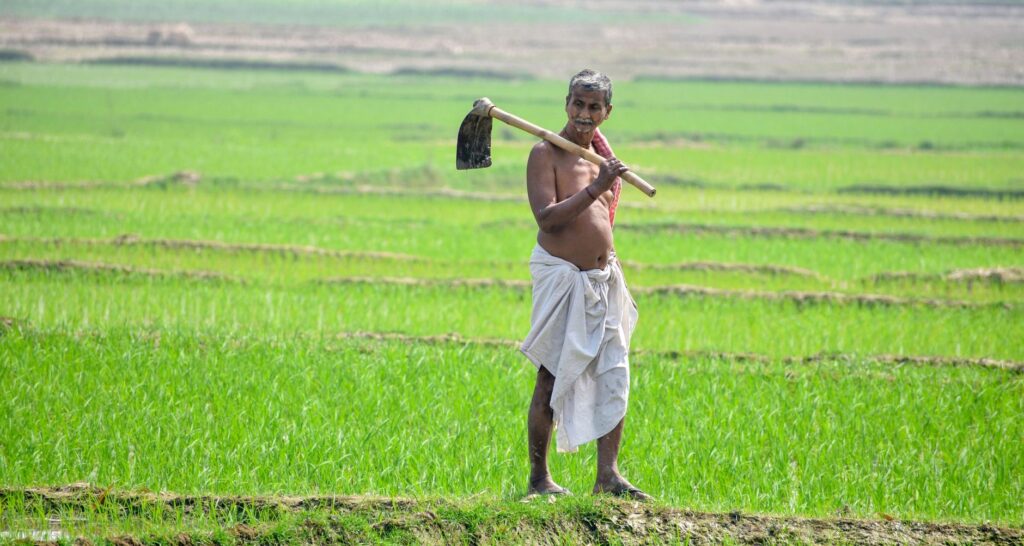

A new report by S&P Global Ratings warns that households across the Asia-Pacific region, with India being particularly vulnerable, face significant risks of food price inflation due to the El Niño weather pattern. The global rating agency highlighted that while the climate phenomenon threatens agricultural yields, proactive government policies and robust food reserves could help cushion the economic blow.
Released this week, the analysis underscores the delicate balance APAC economies must maintain to safeguard consumers from sudden cost-of-living spikes. The study focuses on how altered rainfall patterns directly correlate with agricultural output and subsequent market volatility in developing nations.
Understanding the El Niño Threat to Agriculture
El Niño is a climate pattern characterized by the unusual warming of surface waters in the eastern tropical Pacific Ocean. This phenomenon disrupts global weather systems, typically bringing severe droughts to parts of Asia and heavy rainfall to South America.
For the Asia-Pacific region, El Niño often translates to delayed or deficient monsoons, which are critical for watering vast agricultural lands. In countries like India, where a substantial portion of the workforce relies on farming, any disruption to the seasonal rains directly impacts crop yields.
Agriculture remains a cornerstone of the Indian economy, employing over 40 percent of the nation’s workforce and contributing significantly to the gross domestic product. Consequently, even minor variations in weather patterns can trigger cascading effects across multiple economic sectors, affecting everything from rural demand to manufacturing inputs.
Historically, severe El Niño episodes have led to sharp declines in the production of staple crops such as rice, wheat, and sugar. These supply deficits quickly translate into higher wholesale and retail prices, disproportionately affecting lower-income households that spend a large share of their income on food.
S&P Analysis Highlights Vulnerabilities and Cushions
According to the S&P Global Ratings report, the vulnerability of individual APAC nations depends heavily on the composition of their consumer price index baskets. In India, food and beverages account for nearly half of the inflation basket, making the domestic economy highly sensitive to agricultural disruptions.
Despite these vulnerabilities, the report notes that many regional governments are better prepared than in previous cycles. Proactive fiscal policies, strategic food grain reserves, and timely import adjustments are playing a crucial role in stabilizing domestic markets.
S&P reports that countries with substantial fiscal space have been able to deploy targeted subsidies to protect vulnerable populations. However, nations with high debt levels face a difficult trade-off between controlling inflation and maintaining fiscal discipline, limiting their capacity to absorb sudden economic shocks.
Official data shows that governments have actively managed supply chains by imposing export restrictions on key commodities and lowering import duties to boost local availability. These measures have temporarily capped price surges, though they have also altered global trade dynamics.
Economic Strain and Household Pressures
The primary impact of El Niño-induced price shocks falls on household consumption, which drives a significant portion of economic growth in developing APAC nations. When food prices rise, consumers are forced to cut back on discretionary spending, slowing down broader economic momentum.
For central banks across the region, persistent food inflation complicates monetary policy decisions. High food prices can feed into generalized inflation expectations, forcing policymakers to keep interest rates elevated for longer periods, which can dampen investment and industrial activity.
Industry experts point out that prolonged high interest rates, maintained to combat food-driven inflation, could slow down credit growth and private investment in key infrastructure projects. This scenario poses a long-term risk to the overall economic expansion of the region, potentially delaying post-pandemic recovery goals.
Additionally, agricultural sectors face reduced income, leading to increased rural distress. This strain often requires governments to step up fiscal support through subsidies and direct cash transfers, potentially stretching national budgets.
Future Outlook and Policy Responses
Economists and meteorologists are closely monitoring the transition of weather patterns, as some models suggest a shift toward La Niña, which could bring different agricultural challenges. The timing and intensity of this transition will determine the medium-term outlook for crop yields across the hemisphere.
Market analysts will also watch whether governments maintain current export bans on staples like rice, which have kept domestic prices stable but squeezed global supplies. Any easing of these restrictions could signal growing confidence in domestic stockpiles.
Ultimately, long-term resilience will depend on structural investments in climate-smart agriculture. Improving irrigation infrastructure, developing drought-resistant crop varieties, and enhancing supply chain logistics remain vital steps for APAC nations to permanently reduce their vulnerability to climate shocks.
Disclaimer: This article is published for general news and informational purposes only. While every effort has been made to ensure accuracy, readers are advised to verify important information from official sources. The publisher shall not be responsible for any loss or inconvenience arising from reliance on the information published.