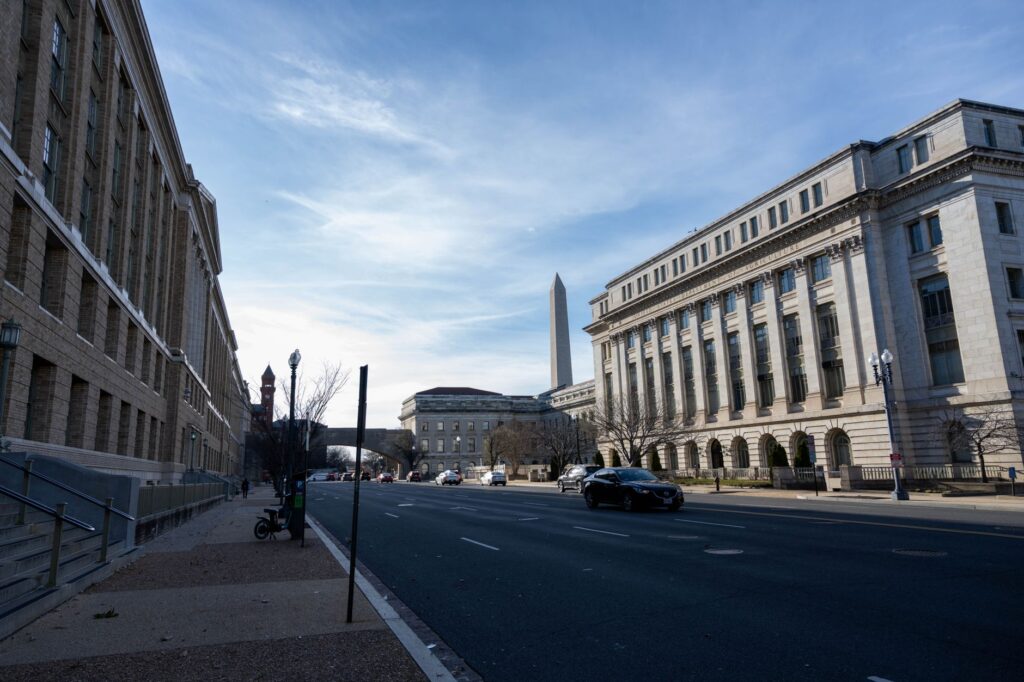

The Federal Reserve opted to maintain the federal funds rate at its current level on Wednesday, following a high-stakes two-day policy meeting in Washington, D.C. The central bank kept the benchmark interest rate within the range of 3.5% to 3.75%, marking a continued pause in its aggressive campaign to cool the economy.
While the decision to hold rates was widely anticipated by economists, the internal vote revealed significant fractures within the Federal Open Market Committee (FOMC). In a 9-3 decision, three high-ranking officials broke from the majority to advocate for an immediate rate hike, citing persistent concerns over inflationary pressures.
The dissenting votes came from Beth Hammack, Neel Kashkari, and Lorie Logan. Their rare public disagreement highlights a growing debate within the central bank regarding whether current policy is restrictive enough to return inflation to the Fed’s long-term 2% target.
Background and Economic Context
The Federal Reserve has spent much of the last two years navigating a delicate balance between price stability and maximum employment. Since early 2022, the central bank has implemented a series of rate increases to combat the highest inflation seen in four decades.
Recent economic data has shown a cooling trend in consumer prices, yet the labor market remains surprisingly resilient. This strength in employment has provided the Fed with room to maintain higher rates without immediately triggering a recession.
Official data shows that while the Consumer Price Index (CPI) has retreated from its peak, core inflation—which excludes volatile food and energy prices—remains stickier than policymakers prefer. This stickiness was a primary driver for the hawkish stance taken by the three dissenting members.
Latest Developments and Policy Split
The 9-3 vote represents one of the most divided FOMC meetings in recent history. Typically, the committee strives for consensus to project a unified front to global financial markets, making this level of dissent particularly noteworthy.
According to reports, the dissenting trio argued that the risk of doing too little to curb inflation outweighs the risk of over-tightening. They pointed to robust consumer spending and ongoing wage growth as evidence that the economy might still be running too hot.
In contrast, the majority of the committee, led by Chair Jerome Powell, favored a more cautious approach. This group emphasized the need to wait for more data to ensure that the full impact of previous rate hikes has been felt by the broader economy.
Market Reaction and Economic Impact
Wall Street reacted swiftly and negatively to the news of the internal split. The prospect of a divided Fed and the potential for future hikes sent shockwaves through the equity markets, leading to a broad-based sell-off.
The Dow Jones Industrial Average dropped 650 points by the closing bell, while the S&P 500 and Nasdaq Composite also posted significant losses. Investors appear concerned that the internal pressure for higher rates could lead to a more aggressive policy path in the coming months.
For the average consumer, the decision to hold rates means that borrowing costs will remain elevated for the foreseeable future. Mortgage rates, auto loans, and credit card interest rates are expected to stay at their highest levels in over a decade, putting a strain on household budgets.
Small businesses are also feeling the squeeze, as the cost of capital remains high. Many firms have reportedly delayed expansion plans or equipment purchases due to the high cost of financing, which could eventually lead to a slowdown in corporate investment.
What to Watch Next
The focus now shifts to the upcoming batch of economic indicators, which will likely dictate the Fed’s next move. Market analysts are particularly focused on the next monthly employment report and the subsequent CPI release.
Chair Powell is expected to maintain a “data-dependent” stance in his upcoming public appearances. However, the presence of three vocal dissenters suggests that the bar for future rate hikes may be lower than previously thought if inflation does not continue its downward trajectory.
Observers will also be watching for any further shifts in rhetoric from other FOMC members. If more officials begin to align with the hawkish views of Hammack, Kashkari, and Logan, a rate hike could be back on the table as early as the next meeting.
Economists warn that the path to a “soft landing”—bringing down inflation without a recession—remains narrow. The central bank must now navigate these internal divisions while keeping a close eye on a global economy that remains volatile and unpredictable.
Disclaimer: This article is published for general news and informational purposes only. While every effort has been made to ensure accuracy, readers are advised to verify important information from official sources. The publisher shall not be responsible for any loss or inconvenience arising from reliance on the information published.