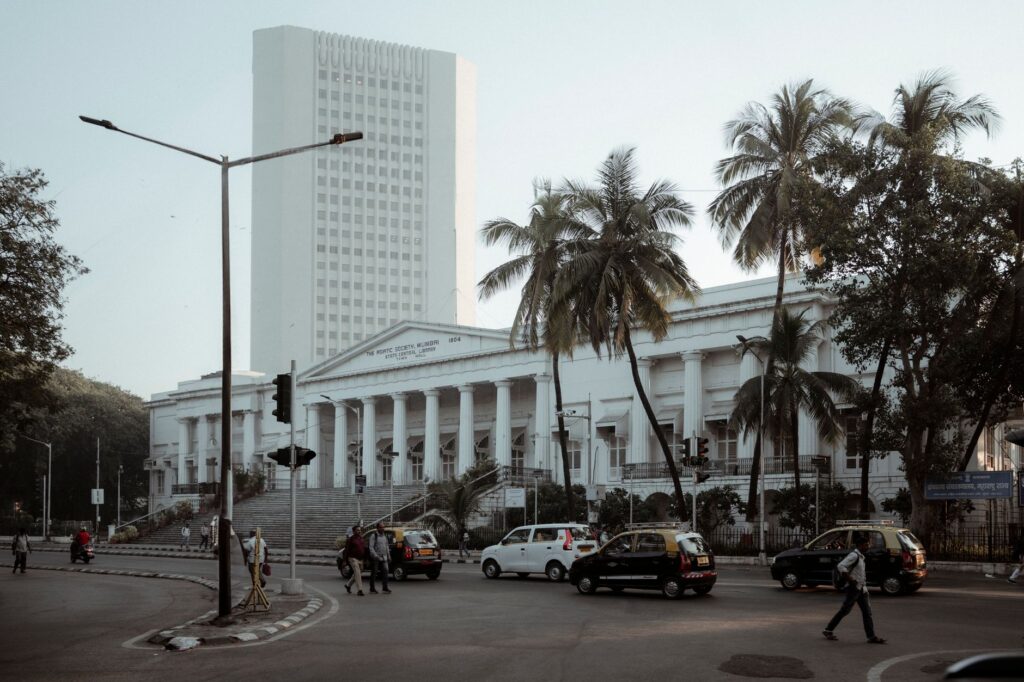

The Reserve Bank of India (RBI) decided to maintain its benchmark repo rate at its current level during its latest monetary policy committee meeting in Mumbai. While the decision aligned with consensus market expectations, the central bank surprised observers by upgrading its economic growth projections and lowering its inflation forecasts. This shift toward a more dovish tone has led market analysts to reassess the timeline for future monetary policy tightening.
A Balanced Monetary Approach
According to official statements, the monetary policy committee voted to keep the policy repo rate unchanged, continuing its stance of withdrawal of accommodation. This decision reflects the central bank’s ongoing effort to align inflation with its medium-term target while supporting economic growth. Financial markets had widely anticipated this pause, given the complex global economic environment and domestic consumption patterns.
However, the real surprise lay in the optimistic economic indicators presented by the central bank leadership. The RBI revised its gross domestic product (GDP) growth projection upward for the upcoming fiscal year, citing robust domestic demand and rising public infrastructure spending. Simultaneously, the central bank moderated its consumer price index (CPI) inflation forecast, pointing to easing supply chain constraints and stabilizing commodity prices.
Background and Macroeconomic Context
Over the past two years, the RBI, like many global central banks, embarked on an aggressive rate-hiking cycle to combat surging inflation driven by geopolitical conflicts and post-pandemic disruptions. These measures successfully moderated headline inflation from its peak levels, bringing it closer to the central bank’s tolerance band. Despite these tighter financial conditions, the Indian economy has demonstrated remarkable resilience compared to its global peers.
Prior to the latest meeting, several economists predicted that the RBI would maintain a hawkish stance to prevent premature market exuberance. Persistent food price volatility and global crude oil fluctuations remained key areas of concern for policymakers. The sudden shift toward a more accommodative rhetoric has therefore caught many market participants off guard, signaling a growing confidence in the domestic economic trajectory.
Key Developments and Revised Projections
Official data shows that the central bank now expects the domestic economy to expand at a faster pace than previously estimated. This optimism is supported by strong corporate balance sheets, rising capacity utilization in manufacturing, and sustained momentum in the services sector. Additionally, government capital expenditure continues to act as a primary catalyst for private investment.
On the inflation front, the RBI expressed confidence that headline inflation is on a downward trajectory, despite occasional seasonal spikes in food prices. The revised projections suggest that core inflation, which excludes volatile food and fuel components, has stabilized at comfortable levels. This moderation provides the central bank with the necessary policy headroom to support economic activity without risking price stability.
Implications for the Economy and Financial Markets
The RBI’s surprisingly dovish tone has had an immediate impact on financial markets, with government bond yields easing following the announcement. Equity markets reacted positively to the upgraded growth forecasts, particularly sectors sensitive to interest rates such as real estate, banking, and automobiles. Lower borrowing costs are expected to sustain the ongoing credit growth in the retail and corporate segments.
For retail consumers, the decision to hold interest rates steady means that loan interest rates, including home and auto loans, are unlikely to rise in the near term. If inflation continues to decline in line with the RBI’s forecasts, borrowers may eventually see a reduction in their monthly equated monthly installments (EMIs). Conversely, savers and fixed deposit holders may see interest rates on deposits peak at current levels.
What to Watch Next
Moving forward, analysts will closely monitor the upcoming monsoon season, which plays a critical role in determining agricultural output and food inflation in India. Any disruptions in rainfall patterns could challenge the RBI’s optimistic inflation forecasts and force a reassessment of the policy stance. Additionally, the movement of global crude oil prices remains a persistent wild card for the import-dependent nation.
Furthermore, the policy path of major global central banks, particularly the United States Federal Reserve, will continue to influence the RBI’s decisions. Divergent monetary policies can lead to capital outflows and currency volatility, which the RBI seeks to minimize. Market participants will scrutinize subsequent speeches from policymakers to gauge the exact timing of a potential transition to rate cuts.
Disclaimer: This article is published for general news and informational purposes only. While every effort has been made to ensure accuracy, readers are advised to verify important information from official sources. The publisher shall not be responsible for any loss or inconvenience arising from reliance on the information published.