
IL JIN Electronics, a key subsidiary of contract manufacturing giant Amber Enterprises India Ltd., has officially selected investment bankers to spearhead its planned ₹3,500 crore initial public offering (IPO) in Mumbai. The company is preparing to file its draft red herring prospectus (DRHP) with regulatory authorities in the coming months, aiming to complete its stock market listing by the close of the 2026-27 fiscal year. The landmark capital raise is designed to fund aggressive capacity expansion, optimize capital structure, and capitalize on India’s rapidly accelerating electronics manufacturing services (EMS) sector.
Context and Strategic Foundation
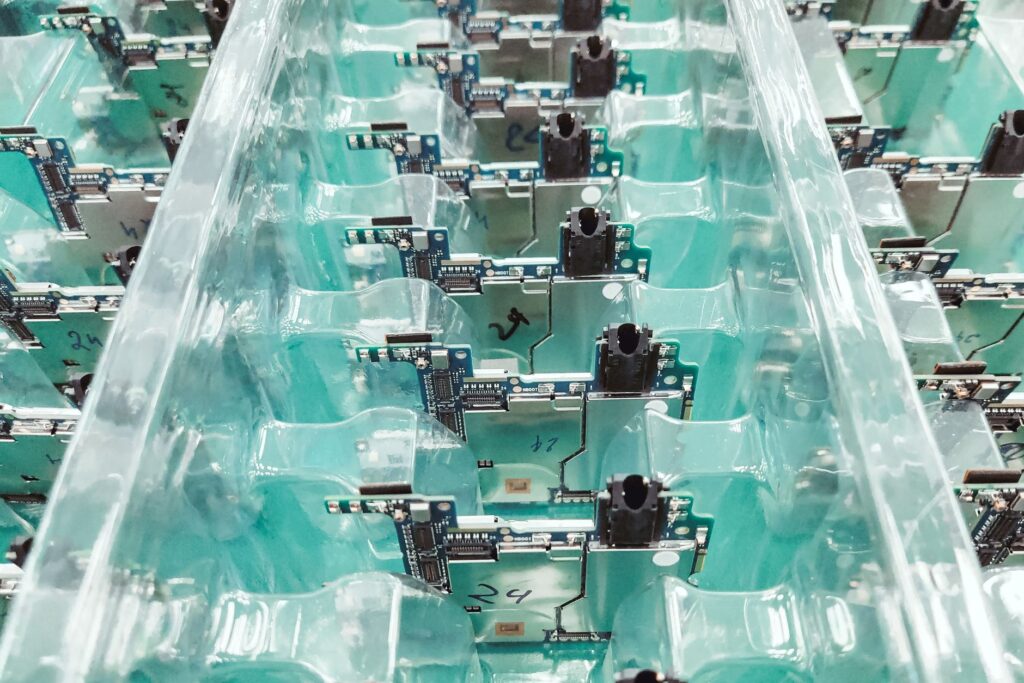
IL JIN Electronics operates as a vital node in India’s industrial supply chain, specializing in the manufacturing and assembly of advanced printed circuit board assemblies (PCBAs) for room air conditioners, consumer durables, automotive systems, and smart electronic devices. Parent firm Amber Enterprises strategically acquired a controlling stake in IL JIN to vertically integrate its manufacturing capabilities and move up the value chain into high-margin electronic components.
This strategic push comes at a time when global original equipment manufacturers (OEMs) are actively diversifying their supply chains under the “China Plus One” framework. Concurrently, the Indian government’s Production Linked Incentive (PLI) schemes for white goods and large-scale electronics manufacturing have provided structural tailwinds for domestic component suppliers. India’s broader EMS market is projected to expand at a compound annual growth rate exceeding 30 percent over the next five years, driven by expanding domestic consumption and government-backed export incentives.
Structure of the ₹3,500 Crore Public Offer
The proposed ₹3,500 crore transaction is expected to comprise both a fresh issue of equity shares and an Offer for Sale (OFS) by existing shareholders. Primary proceeds from the fresh issue will predominantly be directed toward expanding existing surface-mount technology (SMT) production lines, upgrading infrastructure, and expanding into specialized product verticals like electric vehicle (EV) electronics and industrial automation.
The appointed consortium of merchant bankers will lead the valuation, underwriting, and regulatory compliance processes over the coming months. Market sources indicate that formal institutional roadshows will commence following the regulatory submission and review of the draft prospectus by the Securities and Exchange Board of India (SEBI).
The extended listing target spanning through fiscal year 2027 provides IL JIN Electronics with a strategic operational runway to further scale its revenue base and solidify market share. Financially, the company has benefited from strong volume growth in the domestic air conditioner market, where consumer demand for energy-efficient inverter units has reached record highs.
Market Dynamics and Financial Trajectory
Equity analysts view the public listing as a strategic move to unlock hidden value within Amber Enterprises, whose stock has gained significant investor interest as India cements its status as a global electronics hub. Financial institutions note that investor appetite for specialized EMS and component manufacturers remains exceptionally high due to clear revenue visibility and multi-year supply contracts with market-leading brands.
According to industry reports, India’s consumer electronics market is projected to cross $100 billion by 2030, with localized electronic component manufacturing representing one of the highest-growth sub-sectors. Experts highlight that IL JIN’s focus on complex PCBA manufacturing gives it a competitive moat compared to pure assembly-focused competitors, though managing global component supply chain volatility remains a key operational operational imperative.
Industry Implications and Future Outlook
For the broader domestic manufacturing ecosystem, IL JIN’s planned market debut reflects a maturing capital market for mid-stream electronics manufacturers. A successful capital raise will allow the company to achieve greater economies of scale, reduce debt burdens, and enhance R&D capabilities required for next-generation electronic components.
In the near term, market participants will be closely watching for the official filing of the DRHP with SEBI to gain granular insights into the company’s financial metrics, finalized issue structure, and allocation of proceeds. Key metrics to track over the coming quarters include raw material cost stability, new client acquisition in non-HVAC segments, and the timing of regulatory approvals as the firm approaches its target FY27 listing window.