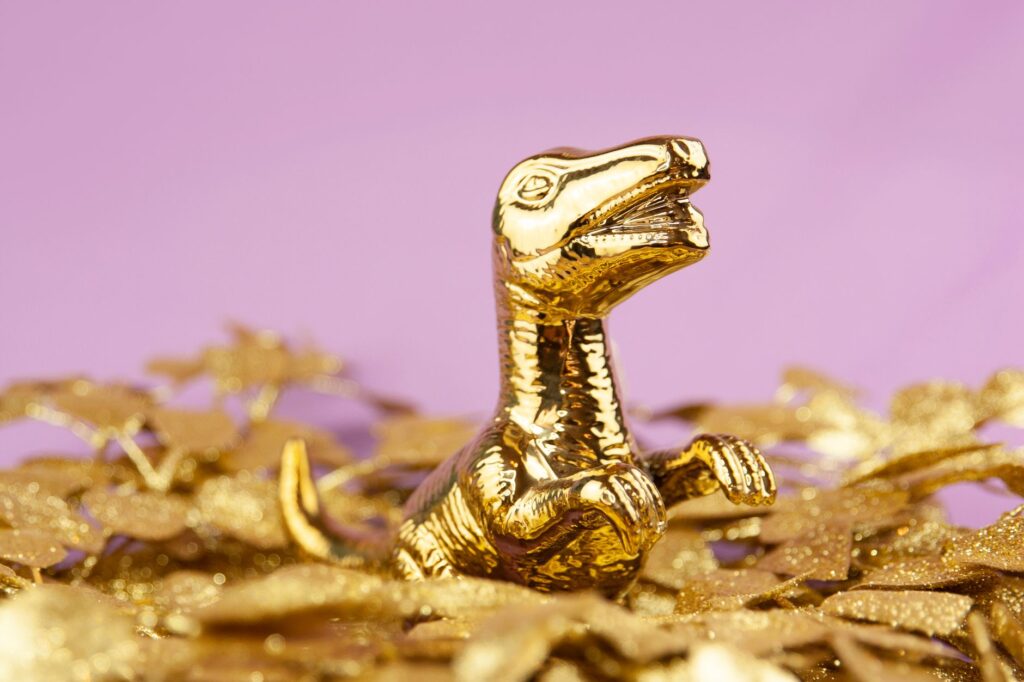

Global auction houses recorded nearly $10 billion in combined sales during the first half of the year, powered by an influx of newly minted technology entrepreneurs acquiring high-value alternative assets ranging from dinosaur skeletons to rare timepieces and fine art in major financial capitals worldwide.
A New Class of High-Net-Worth Collectors
The unprecedented sales figures at legacy auction houses mark one of the strongest mid-year performances in luxury market history. This surge reflects a broader reallocation of capital by Silicon Valley executives and global technology founders who experienced massive liquidity events following recent market rallies in artificial intelligence, software, and semiconductor stocks.
Traditional luxury investments have historically centered on prime real estate, blue-chip equities, and classic automobiles. However, a younger demographic of collectors under the age of 45 is increasingly treating natural history artifacts, independent watchmaking creations, and contemporary masterworks as essential components of modern wealth portfolios.
Auction houses have rapidly modernized their operations to accommodate this tech-driven clientele. Online bidding platforms, high-resolution livestreaming, and digital authentication services have removed geographical barriers for affluent bidders participating from technology hubs across San Francisco, Singapore, and London.
From Prehistoric Fossils to Precision Timepieces
Natural history has emerged as one of the fastest-growing and most high-profile categories in the global auction sector. Private technology buyers are bidding unprecedented sums for complete dinosaur specimens, driving realized prices well past initial presale estimates at major evening auctions in New York and London.
In parallel, the rare watch market has expanded from a niche enthusiast hobby into a dominant passion asset class. Bidders from major tech ecosystems are driving record hammer prices for independent watchmakers such as F.P. Journe and Philippe Dufour, alongside heritage references from established houses like Patek Philippe, Audemars Piguet, and Rolex.
Contemporary and modern art sales have similarly benefited from this wave of liquidity, with tech collectors actively diversifying away from pure financial instruments. The convergence of digital bidding infrastructure and physical luxury preview exhibitions has allowed global founders to acquire marquee physical works with unprecedented speed and scale.
Data Points and Industry Perspectives
Market reports from leading luxury advisory firms highlight the remarkable pace of this demographic transition. Mid-year data indicates that digital bidding accounted for over 60 percent of all luxury lot entries, with first-time buyers representing nearly a third of all successful bids across global salesrooms.
“We are witnessing a fundamental realignment of who buys at the top tier of the auction market,” said Dr. Elena Rostova, senior luxury market analyst at Global Art Economics. “Tech-derived wealth operates on a distinct risk profile and investment horizon, actively favoring tangible, culturally significant assets that offer both personal status and long-term store of value.”
Quarterly financial disclosures reveal that auction sales of natural history and prehistoric artifacts surged by more than 40 percent year-over-year. Meanwhile, the high-end independent watchmaking category achieved its third consecutive record-breaking sales period, contributing significantly to the broader $10 billion mid-year total.
Market Implications and Public Access Concerns
The influx of technology capital into niche auction categories is disrupting traditional pricing models and market dynamics. Established collectors and institutional buyers are frequently outbid by tech magnates willing to pay substantial premiums to secure unique, trophy-tier lots.
In the field of paleontology, the rapid privatization of major dinosaur fossils has ignited intense debate within the scientific community. Public research institutions and university museums are increasingly unable to match the purchasing power of private tech executives, raising concerns that scientifically vital specimens may be hidden away in private residences.
Conversely, major auction firms are expanding their specialized advisory units to cater specifically to Silicon Valley and venture capital clients. Luxury advisory teams now offer comprehensive portfolio strategies that integrate physical passion assets alongside traditional private wealth management services.
What to Watch Next
As the autumn auction calendar approaches, market analysts are closely monitoring global macroeconomic indicators and technology valuations to see if this aggressive buying momentum will continue through the remainder of the year.
Key developments to watch include potential regulatory discussions surrounding the international export and private sale of paleontological heritage items. Additionally, upcoming high-profile auctions in Hong Kong and Geneva will test whether Asian technology capital matches the record-setting buying patterns recently established in North American and European salesrooms.