







Expanding Urban Mobility in Gujarat
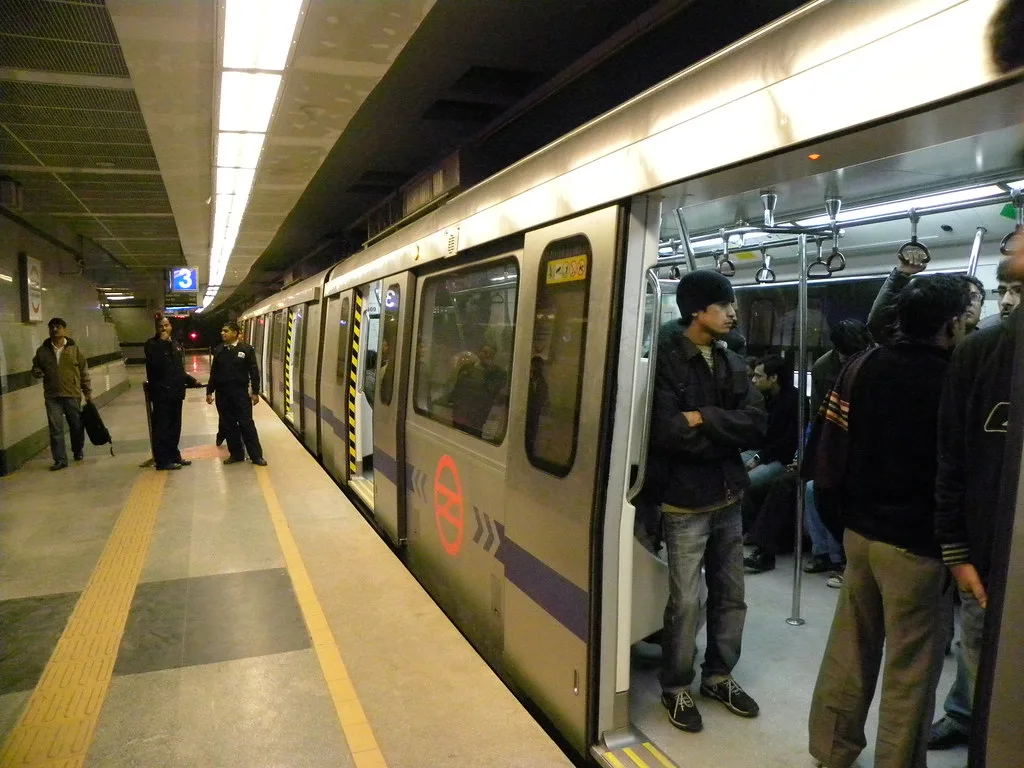
The Union Cabinet, chaired by Prime Minister Narendra Modi, officially approved the implementation of the Ahmedabad Metro Rail Project Phase 2A on Wednesday, allocating Rs 2,169.04 crore to enhance connectivity between Ahmedabad and Gandhinagar. This strategic expansion aims to alleviate traffic congestion, reduce travel time for thousands of daily commuters, and provide a sustainable public transport alternative in one of India’s fastest-growing industrial corridors.
Contextualizing the Infrastructure Growth
The Ahmedabad Metro has been a flagship infrastructure project for the Gujarat government, designed to integrate the state’s administrative capital with its commercial hub. Phase 2A builds upon the success of the operational North-South and East-West corridors, which have already transformed commuting patterns within the metropolitan region.
Urban planning experts note that the decision comes at a time when Ahmedabad is witnessing a surge in population density and vehicle ownership. By extending the rail network, the project aligns with the national ‘Gati Shakti’ master plan, which emphasizes multi-modal connectivity to streamline logistics and passenger movement.
Strategic Impact and Environmental Goals
The expansion is not merely an exercise in transit development; it is a critical component of India’s commitment to reducing the national carbon footprint. Government data suggests that shifting commuters from private vehicles to electric-powered metro systems significantly lowers greenhouse gas emissions in urban centers.
According to Ministry of Housing and Urban Affairs projections, the expanded network is expected to save millions of liters of fuel annually. Furthermore, the project is designed to integrate with existing bus rapid transit (BRT) and feeder services, creating a seamless ‘last-mile’ connectivity framework for residents in suburban pockets.
Economic and Industrial Implications
Beyond environmental benefits, the project is poised to stimulate economic activity along the new transit routes. Historically, infrastructure development in Ahmedabad has led to real estate appreciation and the establishment of new commercial hubs near metro stations, providing a boost to the local economy.
Labor market analysts point out that improved connectivity will expand the talent pool available to businesses in Gandhinagar’s GIFT City and the industrial belts surrounding Ahmedabad. Employers expect that reliable, high-speed transit will reduce employee turnover and improve productivity by eliminating the unpredictability of road traffic.
Future Outlook and Project Milestones
As the project moves into the tender and construction phase, stakeholders are focusing on the integration of smart-ticketing systems and high-frequency train operations to ensure maximum utility for passengers. Observers should keep a close watch on the timeline for land acquisition and utility shifting, which remain the primary variables in meeting the ambitious completion targets set by the Gujarat Metro Rail Corporation (GMRC).
Looking ahead, the successful implementation of Phase 2A may serve as a blueprint for other Tier-2 cities in India currently evaluating rail-based mass transit solutions. The focus will now shift to how the government manages the funding tranches and whether future phases will further extend the network toward the outskirts of the Ahmedabad metropolitan area.