









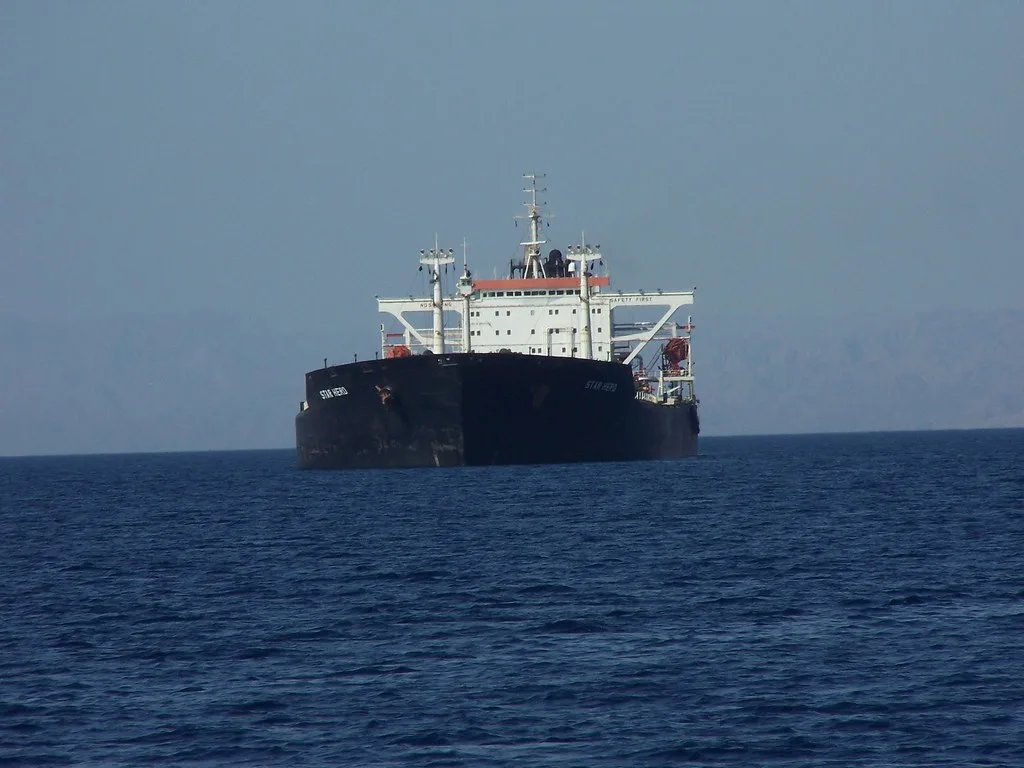
The Shrinking Global Supply
Oil inventories across the world’s largest economies are rapidly approaching their lowest levels in over two decades, according to a report released Tuesday by the U.S. Energy Information Administration (EIA). The ongoing conflict in West Asia has severely disrupted supply chains, forcing nations to deplete strategic reserves to offset a daily shortfall of 11 million barrels identified in May.
Contextualizing the Energy Crisis
The EIA report highlights that Organisation for Economic Cooperation and Development (OECD) nations are on track to see total oil inventories fall to under 2.3 billion barrels by December. This figure marks a historic low since the agency began tracking such data in 2003, underscoring the severity of the current supply-demand imbalance.
Supply Chain Disruptions and Price Volatility
The primary driver of this depletion is the effective closure of the Strait of Hormuz, a critical maritime chokepoint for global energy shipments. While the EIA forecasts that shipments may resume by the third quarter of 2026, analysts warn that returning to pre-conflict traffic levels will likely be a sluggish process that may not materialize until early 2027.
This supply bottleneck has kept Brent crude prices elevated, with the spot market expected to hover around $105 per barrel throughout June and July. The persistent uncertainty regarding maritime access continues to inject volatility into energy markets, complicating long-term planning for industrial and consumer sectors alike.
Economic Implications for Consumers
The impact of this inventory drawdown is expected to reach the consumer level with significant force. The EIA has significantly revised its outlook, now projecting that U.S. gasoline prices will surge by 50 percent in 2026 and nearly 40 percent in 2027 compared to previous February estimates.
These inflationary pressures are compounded by a shift in global demand projections. The agency now expects global oil consumption to contract by 1.1 million barrels per day in 2026, a stark reversal from earlier growth forecasts. This contraction reflects both the restrictive impact of high prices on consumption and a broader cooling of economic activity in major markets.
Future Outlook and Market Monitoring
Market observers are closely watching the projected drawdown rates for the coming year, with the EIA forecasting a decline of 6.3 million barrels per day in the second quarter of 2026 and 7.6 million barrels per day in the third quarter. The critical indicator to monitor moving forward will be the timeline for reopening the Strait of Hormuz, as any further delays could lead to even deeper inventory deficits and prolonged price spikes for end-users.