




The Mechanics of Headlight Degradation
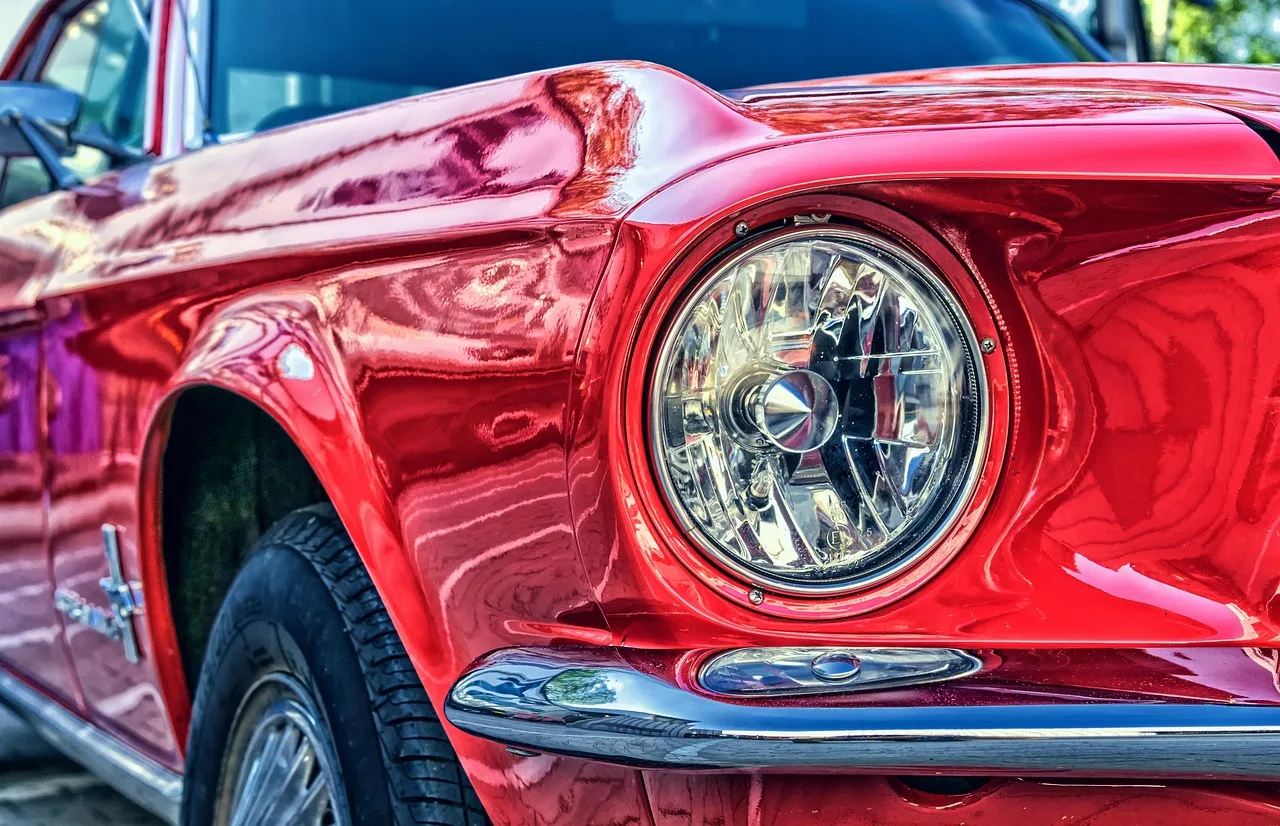
Drivers across the globe are increasingly finding their nighttime visibility compromised as modern vehicle headlight covers transition from glass to polycarbonate plastic. Over time, these lenses develop a cloudy, yellowed appearance caused by oxidation, a chemical process triggered by exposure to ultraviolet radiation from the sun and environmental pollutants. This degradation, which typically accelerates after three to five years of ownership, significantly reduces light output and poses a measurable risk to road safety.
The Shift to Polycarbonate
For decades, automotive manufacturers relied on glass for headlight assemblies due to its durability and resistance to environmental damage. However, the industry shifted toward polycarbonate plastic in the late 1990s to improve crash safety and reduce vehicle weight. While these materials are shatter-resistant and cost-effective, they are inherently porous and susceptible to the harsh effects of UV exposure.
As the protective factory coating on the plastic wears down, the material begins to oxidize, creating a pitted surface that scatters light rather than projecting it onto the road. According to data from the American Automobile Association (AAA), cloudy headlights can reduce light output by as much as 80 percent compared to new lenses. This loss of illumination forces drivers to rely on high beams more frequently, potentially blinding oncoming traffic and increasing the risk of accidents.
Restoration Methods and DIY Solutions
Restoring headlight clarity does not necessarily require a costly trip to the dealership or a full assembly replacement. The market for headlight restoration kits has exploded, offering consumers budget-friendly solutions that typically range from $15 to $30. Most kits utilize a multi-step process involving wet sanding to remove the oxidized layer, followed by a polishing compound and a protective UV-sealant application.
Automotive experts emphasize that the final step—applying a UV-resistant clear coat—is the most critical phase of the process. Without this layer, the newly polished plastic will revert to its oxidized state within a few months. For those hesitant to perform manual sanding, professional detailing services offer restoration packages that utilize industrial-grade orbital buffers and specialized chemical compounds to achieve a factory-like finish.
Industry Implications and Future Outlook
The prevalence of headlight oxidation has prompted a shift in how vehicle maintenance is perceived by both consumers and manufacturers. As advanced driver-assistance systems (ADAS) become standard, the reliance on external sensors and cameras mounted near or behind headlight assemblies makes clarity more important than ever. If a headlight lens is clouded, it can interfere with the functionality of forward-facing collision warning systems and lane-keep assist technologies.
Looking ahead, the automotive aftermarket is expected to see a rise in long-term ceramic coating technologies designed to prevent oxidation before it starts. Consumers should monitor their vehicle’s light output during annual inspections, as regulators continue to tighten standards regarding headlight intensity and beam patterns. Maintaining clear lenses is no longer just a cosmetic choice; it is a fundamental component of modern vehicle safety and sensor reliability.