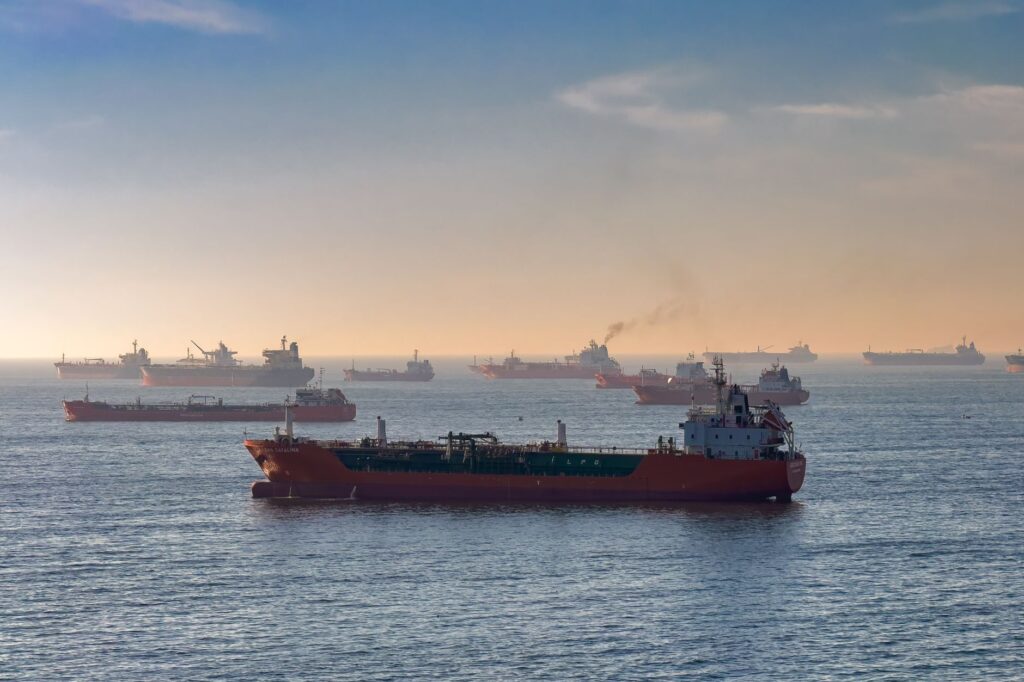

Global crude oil markets have stabilized this week as prices retreated to approximately $74 per barrel, signaling a significant cooling of tensions following recent supply chain bottlenecks in West Asia. As tanker traffic through the strategic Strait of Hormuz gradually resumes, the immediate threat of a prolonged energy shock has subsided, prompting policymakers in New Delhi to evaluate the effectiveness of current contingency frameworks.
Contextualizing the Recent Market Volatility
The recent spike in oil prices was driven by fears of a total blockade in key maritime transit corridors, which account for a substantial portion of the world’s daily oil throughput. While mine-clearing operations and a backlog of container vessels continue to impact logistics, the return to pre-crisis price levels suggests that market participants have successfully priced in the current geopolitical risk premium.
The Indian Response Playbook
For India, which imports over 85% of its crude oil requirements, the recent fluctuations serve as a high-stakes stress test for its national energy security architecture. The government’s response strategy has relied heavily on the Strategic Petroleum Reserve (SPR) and diversified sourcing agreements that buffer the domestic economy against sudden price shocks.
Energy analysts note that India’s ability to leverage long-term contracts with diverse suppliers—ranging from the Middle East to Russia and North America—has provided a critical safety valve. By maintaining a mix of spot market purchases and term contracts, India has avoided the worst of the volatility that typically cripples more rigid energy importers.
Expert Perspectives on Energy Resilience
According to data from the International Energy Agency (IEA), resilient supply chains are increasingly contingent on the velocity of shipping recovery and the availability of emergency stockpiles. Experts emphasize that while the current easing of prices is welcome, the underlying fragility of the West Asian transit routes remains a structural concern for developing economies.
“The market is currently in a recovery phase, but the reliance on narrow maritime chokepoints remains a systemic vulnerability,” stated a senior energy economist. Data indicates that India’s investment in expanding its underground cavern storage capacity will be the decisive factor in mitigating future price spikes, as these facilities provide a physical buffer against supply-side interruptions.
Implications for Future Energy Strategy
For the Indian industrial sector, the stabilization of oil prices offers a reprieve from inflationary pressures that threatened to dampen manufacturing growth. However, the broader lesson for the industry is the necessity of accelerating the transition toward a diversified energy basket, including green hydrogen and domestic biofuels, to reduce structural dependence on volatile crude markets.
Looking ahead, market observers are closely monitoring shipping insurance premiums and the pace of vessel clearance in the Strait of Hormuz. If maritime security protocols are tightened and traffic flows return to pre-crisis volumes by the next quarter, global energy markets may see a period of sustained price consolidation. Conversely, any further escalation in regional hostilities would likely trigger a rapid return to the volatility seen earlier this month, forcing India to decide whether to release additional volumes from its strategic reserves to maintain domestic price stability.