





Strengthening Bilateral Economic Ties
India and the United States are accelerating negotiations to finalize an interim bilateral trade agreement by mid-July, according to Indian Commerce Minister Piyush Goyal. The deal, described as a ‘vibrant’ first tranche, aims to secure preferential market access for Indian exports, positioning them more competitively against global rivals in the American market.
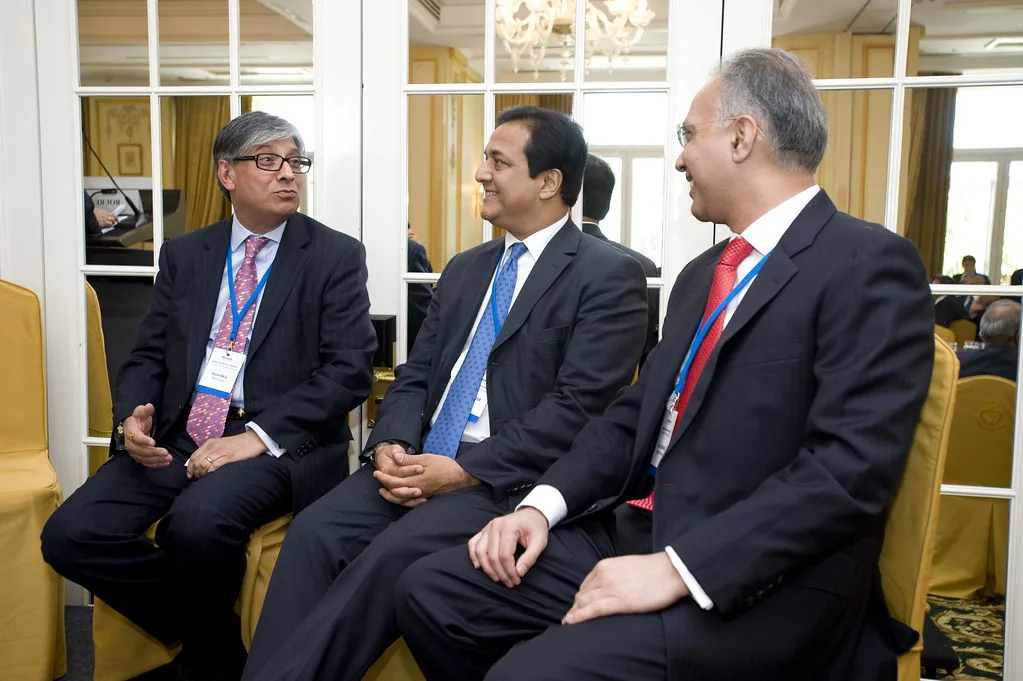
This development follows a series of high-level diplomatic engagements between New Delhi and Washington. The agreement marks a significant shift in trade diplomacy, moving beyond long-standing disagreements toward a pragmatic framework that prioritizes immediate economic gains for both nations.
The Context of Trade Relations
For years, the India-US trade relationship has been characterized by both massive growth and persistent friction. Issues such as tariff barriers, data localization, and intellectual property rights have historically slowed progress on a comprehensive Free Trade Agreement (FTA).
By opting for a phased approach, negotiators hope to bypass these complex hurdles initially. This interim deal focuses on sectors where consensus is achievable, allowing both governments to demonstrate tangible economic results to their respective domestic audiences without waiting for a broader, more exhaustive treaty.
Strategic Implications for Exporters
The primary objective of this agreement is to enhance the competitiveness of Indian goods. Minister Goyal noted that the preferential access granted under this deal will provide Indian businesses with a distinct edge over competitors currently facing standard tariff regimes in the United States.
Data from the Ministry of Commerce and Industry indicates that the US remains India’s largest trading partner. Strengthening this bond is viewed as essential for India’s goal of reaching a $2 trillion export target by 2030, as the nation looks to diversify its supply chains and reduce reliance on other manufacturing hubs.
Expert Perspectives and Economic Data
Economists suggest that this ‘tranche’ strategy is a sophisticated diplomatic maneuver. By isolating specific sectors for early agreement, both nations can build the mutual trust necessary to tackle more contentious issues later.
Trade analysts point out that the timing is critical, as global supply chains undergo a massive realignment. With companies seeking a ‘China Plus One’ strategy, India is positioning itself as a primary alternative, and a formal trade agreement would solidify this perception among global investors.
Future Outlook and Watchpoints
The success of this interim deal will hinge on the specific sectors included in the initial tranche. Observers are closely watching for updates on textiles, pharmaceuticals, and agricultural products, which are expected to be the primary beneficiaries of the lowered barriers.
Looking ahead, the mid-July deadline serves as a benchmark for the efficacy of the current administration’s trade policy. If successfully implemented, the agreement could serve as a blueprint for future negotiations, potentially paving the way for a more comprehensive trade pact between the two largest democracies in the world.