





Resilience Amid Global Volatility
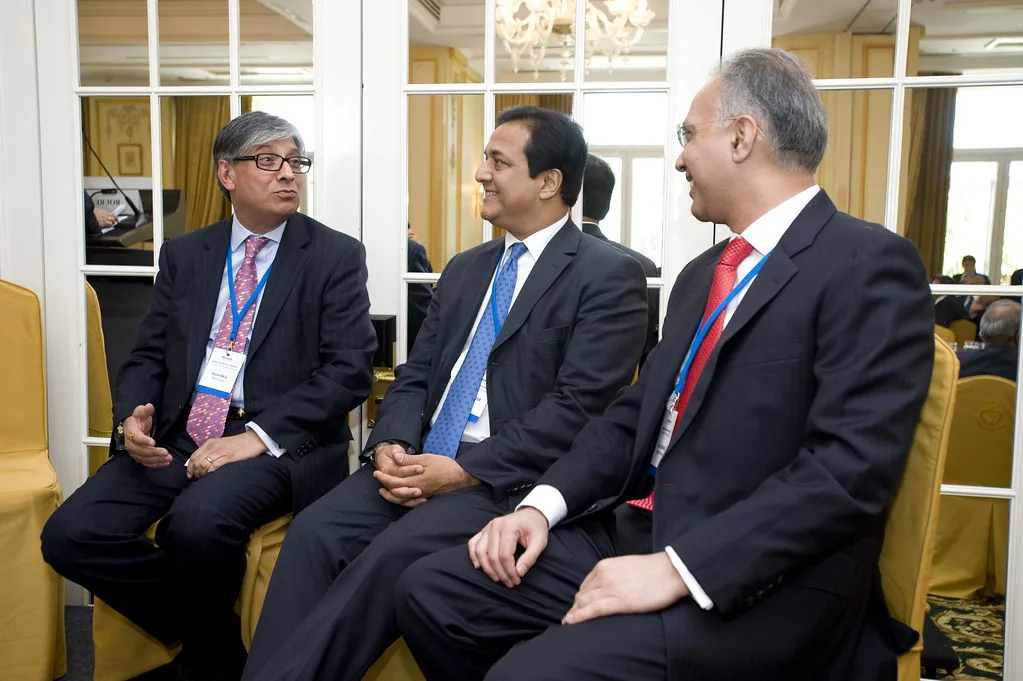
A panel of prominent Indian economists, including Aditi Nayar of ICRA, Sakshi Gupta of HDFC Bank, and Rajani Sinha of CareEdge Ratings, concluded this week that the national economy is well-positioned to withstand external shocks through the 2027 fiscal year. Despite mounting concerns over fluctuating global oil prices and escalating geopolitical tensions, experts maintain that domestic drivers remain sufficiently robust to prevent a significant slowdown in growth projections.
The assessment highlights the durability of India’s economic foundation, which has increasingly relied on internal consumption rather than external demand. By prioritizing structural reforms and maintaining steady investment activity, policymakers have created a buffer that shields the economy from the volatility typically associated with international markets.
The Pillars of Economic Stability
Central to this optimistic outlook is the sustained performance of the services sector, which has served as a primary engine for GDP expansion. Data from the Reserve Bank of India indicates that service-oriented industries have consistently outperformed expectations, providing stable employment and steady revenue streams.
Furthermore, healthy consumer spending patterns continue to drive retail demand, providing a secondary layer of security against global headwinds. Investment activity, bolstered by government infrastructure spending and private sector capital expenditure, has transitioned from recovery to a phase of sustainable expansion, according to recent CareEdge Ratings reports.
Expert Perspectives on External Risks
While the outlook remains positive, economists acknowledge that the current geopolitical climate introduces a complex set of variables. Oil prices remain a critical concern, as any sustained spike could widen the current account deficit and exert inflationary pressure on the domestic economy.
Sakshi Gupta of HDFC Bank noted that while the downside risks are contained, the path forward requires vigilant monetary policy. Aditi Nayar of ICRA emphasized that the synergy between public sector investment and private consumption is the essential mechanism that will likely offset any potential cooling in global trade volumes.
Implications for the Financial Landscape
For investors and businesses, this forecast suggests a period of relative stability, provided that domestic momentum is maintained. The ability of the economy to decouple from global volatility is not absolute, but the current data suggests that the internal market is increasingly capable of self-correction.
Market participants are now closely watching the upcoming quarterly fiscal updates to gauge if private investment can fully compensate for potential shifts in global trade policy. As the fiscal year progresses, the focus will remain on the central bank’s interest rate trajectory and its impact on the cost of borrowing for domestic firms.
What to Watch Next
Looking ahead, industry analysts will monitor crude oil price benchmarks and supply chain disruptions in the Middle East as primary indicators of potential risk. Additionally, the sustainability of urban consumption patterns amid inflationary pressures will serve as a bellwether for long-term growth targets. Observers should also keep a close eye on upcoming government capital expenditure reports, as these figures will determine whether the current investment-led growth cycle maintains its current velocity through the remainder of the fiscal year.