



Surpassing Economic Expectations
India’s economy recorded a robust growth rate of 7.7% for the 2026 fiscal year, significantly outperforming initial market forecasts and analyst projections. This acceleration, driven largely by a resurgence in the manufacturing sector and double-digit growth in key industrial segments, marks a pivotal moment for the nation’s macroeconomic trajectory.
Contextualizing the Growth Surge
The 7.7% growth figure arrives following a period of global economic volatility characterized by fluctuating commodity prices and tightening monetary policies. Analysts had previously anticipated more modest growth, citing global headwinds that threatened to dampen domestic output. However, sustained government investment in infrastructure and a strategic push toward domestic manufacturing capacity have effectively insulated the economy from broader international downturns.
Manufacturing as the Primary Engine
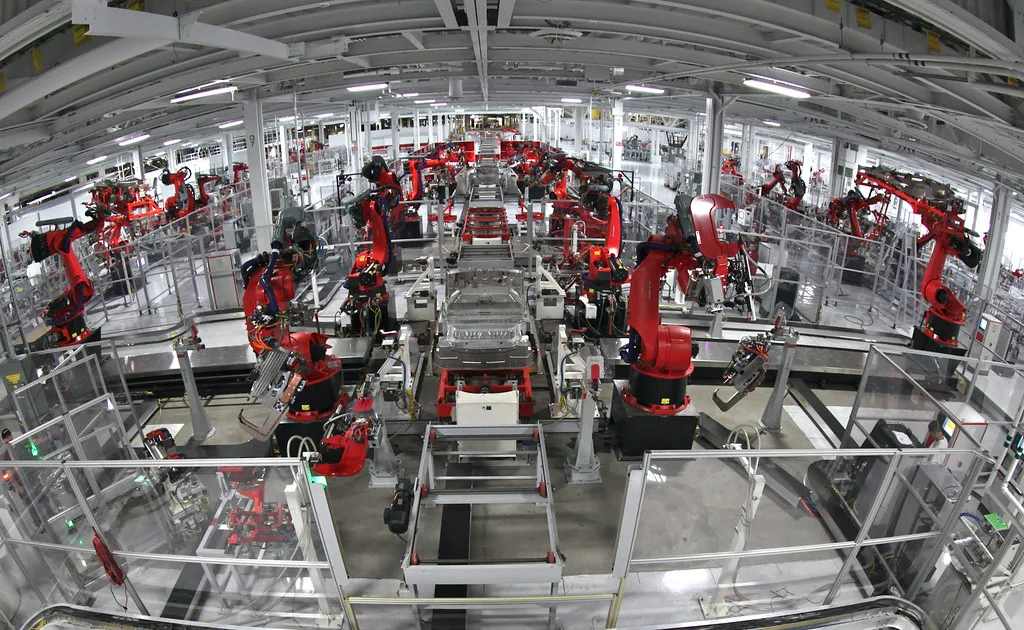
The manufacturing sector emerged as the clear leader in this year’s performance, achieving double-digit expansion that surprised many industry observers. This growth is largely attributed to the successful implementation of production-linked incentive schemes that have attracted significant foreign and domestic capital into the industrial corridor. As factory output climbed, the ripple effect spread through the supply chain, bolstering logistics, energy consumption, and auxiliary service sectors.
Expert Analysis and Statistical Drivers
Economic experts point to a convergence of factors that enabled this performance, noting that private consumption and capital formation remain the bedrock of the expansion. According to recent data, corporate balance sheets have strengthened considerably over the last twelve months, allowing firms to increase their operational expenditures. Furthermore, the stabilization of inflation rates has provided the Reserve Bank of India with the flexibility to maintain a growth-supportive interest rate environment, fueling both business investment and consumer demand.
Implications for the Industrial Landscape
For the broader industry, this growth signifies a transition from recovery to sustained expansion. The surge in manufacturing output suggests that India is successfully positioning itself as a vital node in global supply chains, potentially leading to increased foreign direct investment in the coming quarters. Businesses are now shifting their focus toward scaling capacity to meet both domestic and export-oriented demand, which is expected to create a substantial pipeline of new employment opportunities across the nation.
Future Outlook and Emerging Trends
Looking ahead, policymakers and investors are now shifting their attention to the sustainability of this growth rate as the country enters the next fiscal cycle. Key indicators to watch include the momentum of private sector capital expenditure and the resilience of the manufacturing sector against potential shifts in global trade policy. If the current trajectory holds, the focus will likely turn toward structural reforms aimed at addressing supply-side bottlenecks to ensure that the 7.7% growth rate is not merely a cyclical peak but a foundation for long-term development.