





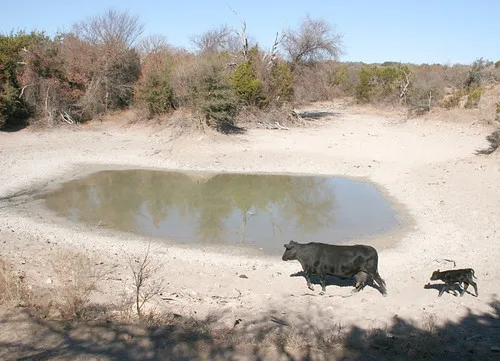
A Double Threat to Texas Ranching
Texas cattle producers are currently navigating a volatile economic and biological landscape as the combined pressures of severe drought conditions and the looming threat of a New World screwworm outbreak jeopardize operations across the state. As of late 2024, ranchers are battling both the immediate necessity of early liquidation due to forage shortages and the psychological and financial anxiety surrounding the potential return of one of the livestock industry’s most historically devastating parasites.
The Shadow of the Screwworm
The New World screwworm (Cochliomyia hominivorax) is a parasitic fly larva that feeds on the living tissue of warm-blooded animals. While the United States declared the screwworm eradicated in 1982 through the use of sterile insect technique, recent reports of sporadic sightings and increased surveillance in border regions have reignited fears among agricultural stakeholders.
Dr. Elena Rodriguez, a veterinary entomologist, notes that the parasite is highly opportunistic. “An infestation can turn a minor wound on a calf into a life-threatening medical emergency within days,” she explained. The historical memory of the 1950s, when the parasite caused massive losses, continues to drive the urgent response from state and federal agencies tasked with monitoring livestock movement.
Economic Pressure from Climate Volatility
Beyond the biological threat, the fundamental economics of the cattle industry are being reshaped by environmental factors. Prolonged drought conditions across Texas have decimated pastures, leaving ranchers with insufficient grass to sustain their herds through the winter months. According to the U.S. Department of Agriculture (USDA), this lack of forage has accelerated the timeline for cattle marketings, with many producers opting to sell their livestock earlier than planned to avoid the high costs of supplemental feed.
This mass movement of cattle into the supply chain often suppresses market prices, creating a “double-whammy” effect for producers. Ranchers are not only losing the opportunity for their cattle to reach optimal weight but are also receiving lower margins due to the influx of animals at regional sale barns.
Surveillance and Industry Response
To mitigate the risk of a widespread outbreak, the Texas Animal Health Commission has bolstered its surveillance efforts. Ranchers are being urged to inspect their livestock daily for signs of infestation, particularly around the eyes, ears, and navels of newborn calves. The industry is currently relying on the sterile male release program, which remains the gold standard for preventing the establishment of a population in the state.
Industry analysts suggest that the coming months will be critical in determining the extent of the impact. If rainfall patterns do not shift, the forced liquidation of herds could lead to a long-term reduction in the state’s breeding stock, potentially impacting beef supply chains well into the next decade.
Looking Ahead: The Path Forward
The immediate future for Texas ranching will be defined by the intersection of climate resilience and biosecurity vigilance. Observers are watching the U.S.-Mexico border closely for any shifts in pest migration patterns that might necessitate a more aggressive containment strategy. For the average consumer, the volatility in the cattle market may eventually reflect in retail beef prices, as the industry struggles to balance herd maintenance with the harsh realities of a changing environment.