
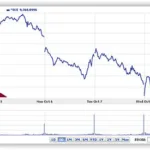





The United States Department of Labor released a robust jobs report on Friday, revealing that the economy added significantly more positions than analysts anticipated, providing the Trump administration with a pivotal economic victory ahead of the midterm elections. By exceeding market expectations, the report underscores a period of sustained labor market expansion, though it simultaneously complicates the Federal Reserve‘s interest rate strategy by signaling potential inflationary pressure.
Contextualizing the Economic Surge
For months, policymakers and market observers have closely monitored employment data as a barometer for the nation’s post-pandemic economic health. The latest figures suggest that despite concerns regarding global trade volatility and domestic policy shifts, the domestic labor force remains remarkably resilient.
Historically, low unemployment rates have served as a cornerstone of President Trump’s economic platform. This latest data point reinforces the administration’s narrative that current fiscal policies are successfully stimulating job growth across multiple sectors, including manufacturing and technology.
Market Dynamics and Federal Reserve Strategy
While the White House views the report as a political triumph, financial experts are analyzing the ripple effects on monetary policy. A strong jobs market often correlates with wage growth, which can lead to increased consumer spending and, consequently, higher inflation.
Prior to this release, market speculation leaned heavily toward the Federal Reserve cutting interest rates to hedge against a potential slowdown. However, the strength of this report suggests that the economy may not require such intervention, leading many investors to adjust their expectations regarding future rate hikes or holds.