
Global tourism authorities and financial analysts released comprehensive post-tournament data this week, revealing a stark split in economic returns across host cities, hospitality providers, and local businesses following the conclusion of the FIFA World Cup. While primary transit hubs and luxury international hotel brands captured record-breaking revenues during the month-long event, secondary destinations and independent local merchants frequently fell short of ambitious pre-tournament financial forecasts.
Context: The High-Stakes Gamble of Hosting Mega-Events
Hosting a major global tournament requires billions of dollars in infrastructure upgrades, municipal security, and targeted marketing campaigns. Cities bid for hosting rights operating under the premise that influxes of international visitors will generate substantial tax revenues and elevate global brand visibility.
However, historic tourism data demonstrates that mega-events often create a double-edged sword known as the displacement effect. Traditional business travelers and leisure tourists frequently avoid host regions during major tournaments due to anticipated congestion and inflated travel costs.
Understanding which sectors actually profited requires examining visitor spending patterns, regional occupancy figures, and adjusted pricing strategies deployed across the host ecosystem.
The Winners: Major Transit Hubs and Premium Hospitality
Tier-one host cities featuring direct international airports emerged as the clear financial victors of the tournament. High-capacity hubs captured the bulk of international arrivals, retaining visitors who utilized central cities as base camps before commuting to matches in outer regions.
Luxury and upper-upscale hotel chains recorded historically high performance metrics. According to post-event hospitality performance data from STR, luxury properties in primary host hubs saw Average Daily Rates (ADR) surge by over 140 percent compared to same-month figures from the previous year.
Official airline carriers and premium travel agencies also experienced unprecedented yield gains. Direct international flight bookings into host country gateways rose significantly, driven by last-minute travel demand during the knockout stages of the competition.
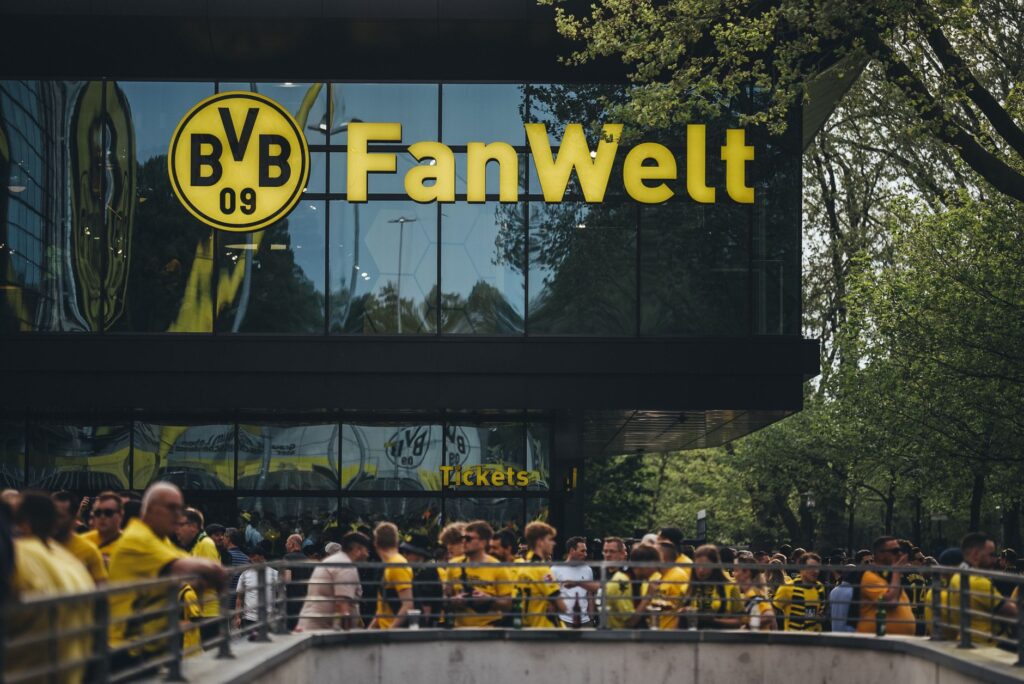
Official fan zones and licensed venue vendors secured consistent revenue streams. Concentrated spectator zones provided guaranteed foot traffic, allowing official sponsors and integrated concessionaires to maximize per-capita attendee spending.
The Losers: Secondary Cities and Overpriced Mid-Tier Properties
In contrast, smaller host venues located far from primary transit networks experienced far more volatile results. Several regional municipalities reported lower-than-expected overnight stays as fans opted for rapid round-trip transit options rather than local lodging.
Mid-scale and independent hotel operators who aggressively inflated room rates months prior to the tournament faced severe occupancy drops. Market analysts noted that price gouging alienated budget-conscious fans, driving them toward short-term rentals, commuter options, or surrounding satellite towns.
Local retail merchants and non-sports cultural attractions suffered notable revenue declines during the event window. Traditional museum visits, boutique shopping, and standard dining bookings dropped as general tourists stayed away, while football fans focused their time and discretionary spend around stadium zones and fan parks.
Expert Perspectives and Data Points
Financial analysts stress that broad macroeconomic metrics must be separated from localized business results when evaluating event success.
“The macro numbers often mask significant microeconomic disruption,” said Sarah Jenkins, Chief Travel Analyst at ForwardKeys. “While total international arrival numbers spiked, total length-of-stay metrics were shorter than anticipated. Fans traveled purposefully to watch specific matches and departed immediately after, minimizing broader retail spillover.”
Data published by Oxford Economics indicates that while host nation GDP saw a brief temporary lift, the net economic multiplier was moderated by high import costs for event logistics and public security expenditures.
Furthermore, short-term rental data from AirDNA showed a supply glut in several suburban markets. Property owners who converted long-term housing into short-term rentals in anticipation of a windfall saw average occupancy rates hover under 50 percent in peripheral venue zones.
Shifts in Traveler Behavior and Local Business Impact
The tournament highlighted evolving spending habits among modern sports tourists. Today’s traveling fans prioritize ticket purchases and immersive fan events over traditional vacation experiences like fine dining or regional excursions.
Hospitality groups that adapted by offering flexible, short-duration stays and integrated match-day transport packages captured the highest margins. Conversely, businesses relying on traditional multi-day tour packages saw diminished consumer interest.
Municipal leaders face mounting pressure from local business associations seeking compensation or future promotional support to offset losses incurred during the tournament period.
What to Watch Next
As preparations intensify for future mega-events, including the expanded 2026 FIFA World Cup across North America, municipal organizers and hospitality leaders are actively auditing these performance figures to refine revenue management models.
Industry analysts expect future host cities to place stricter regulations on speculative hotel pricing while re-evaluating baseline visitor projections. Industry watchers will be monitoring how regional tourism boards balance the immediate demand spike of sports fans with the need to protect existing, long-term leisure and corporate travel markets.