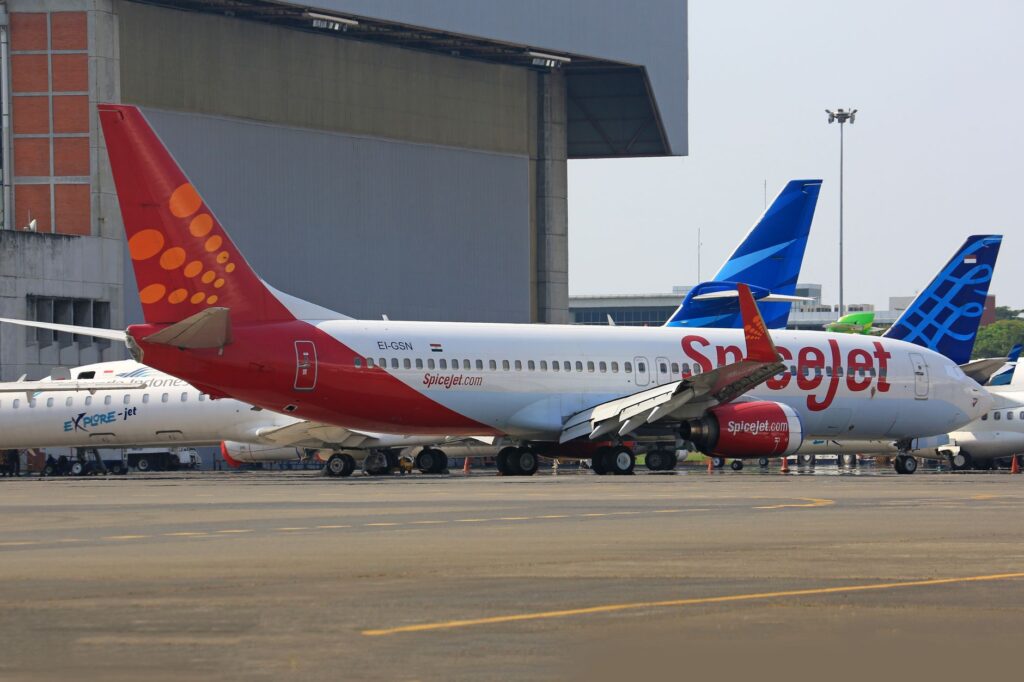

Indian low-cost carrier SpiceJet has officially inducted three damp-leased Airbus A320 aircraft into its operational fleet, marking an immediate capacity enhancement across high-demand domestic routes. The Gurgaon-headquartered airline confirmed the deployment as part of its broader fleet expansion and operational recovery plan, aiming to strengthen network connectivity and meet surging passenger demand across major aviation hubs in India.
Navigating Fleet Constraints and Leasing Models
The aircraft induction comes at a crucial period for SpiceJet, which has been working to overcome operational bottlenecks, supply chain constraints, and recent fleet groundings. By opting for a damp-lease structure, the airline secures the aircraft and flight deck crew from the lessor, while deploying its own cabin personnel and ground staff to maintain brand consistency.
This hybrid leasing strategy offers rapid operational flexibility compared to traditional dry leases, which require lengthy crew conversion training and regulatory clearances. The introduction of Airbus A320 aircraft represents a tactical fleet diversification for SpiceJet, which historically operated a single-fleet narrow-body configuration dominated by Boeing 737 variants alongside De Havilland Q400 turboprops.
Boosting Capacity on High-Density Routes
The three newly added A320s will immediately serve high-density domestic corridors connecting major metro cities, including Delhi, Mumbai, Bengaluru, and Kolkata. Aviation analysts note that deploying these narrow-body jets on core routes will help SpiceJet improve schedule reliability, optimize flight fulfillment rates, and reduce unexpected cancellations during peak travel hours.
Data from the Directorate General of Civil Aviation (DGCA) reveals that domestic passenger traffic in India has maintained record growth trajectories throughout the year. However, global supply chain bottlenecks and engine maintenance delays have constrained fleet availability across multiple domestic carriers, prompting airlines to adopt short-term leasing solutions to preserve market presence.
Industry Context and Strategic Advantage
India remains one of the world’s fastest-growing aviation markets, characterized by intense competition and dynamic passenger yields. Market leader IndiGo currently holds over 60 percent of domestic passenger traffic, while the integrated Air India Group continues to expand its market footprint across both domestic and international sectors.
Aviation market experts highlight that short-term damp leases allow mid-sized operators to retain critical airport slots without incurring heavy capital expenditure. “Damp leasing provides an immediate operational bridge during peak demand cycles,” said Ramesh Kulkarni, a senior aviation consultant. “For SpiceJet, these additional seats allow the airline to capture peak passenger volumes without locking itself into long-term lease liabilities while its restructuring efforts continue.”
Impact on Travelers and Regional Connectivity
For daily air travelers, the addition of seats on high-demand routes could help mitigate sharp fare spikes during peak travel seasons. Expanding seat capacity on busy metropolitan routes creates pricing stability during holiday corridors and business travel surges, when domestic demand routinely exceeds available seat capacity.
Additionally, placing higher-capacity A320 jets on primary trunk routes allows SpiceJet to optimize its regional fleet. The carrier can strategically redeploy its smaller turboprop aircraft to secondary routes and Regional Connectivity Scheme (RCS-UDAN) destinations, reinforcing regional air links across underserved tier-two and tier-three cities.
Operational Outlook and Key Watchpoints
Industry observers will be closely tracking SpiceJet’s execution as it integrates these Airbus platforms alongside its core Boeing fleet. Managing a dual-manufacturer fleet presents unique logistical and operational considerations for maintenance scheduling, ground handling operations, and turn-around times at busy airports.
Moving forward, key indicators to watch include SpiceJet’s monthly operational reliability scores, on-time performance figures published by the aviation regulator, and the progress of its ongoing equity fundraising plans aimed at un-grounding additional idle aircraft in subsequent operational quarters.