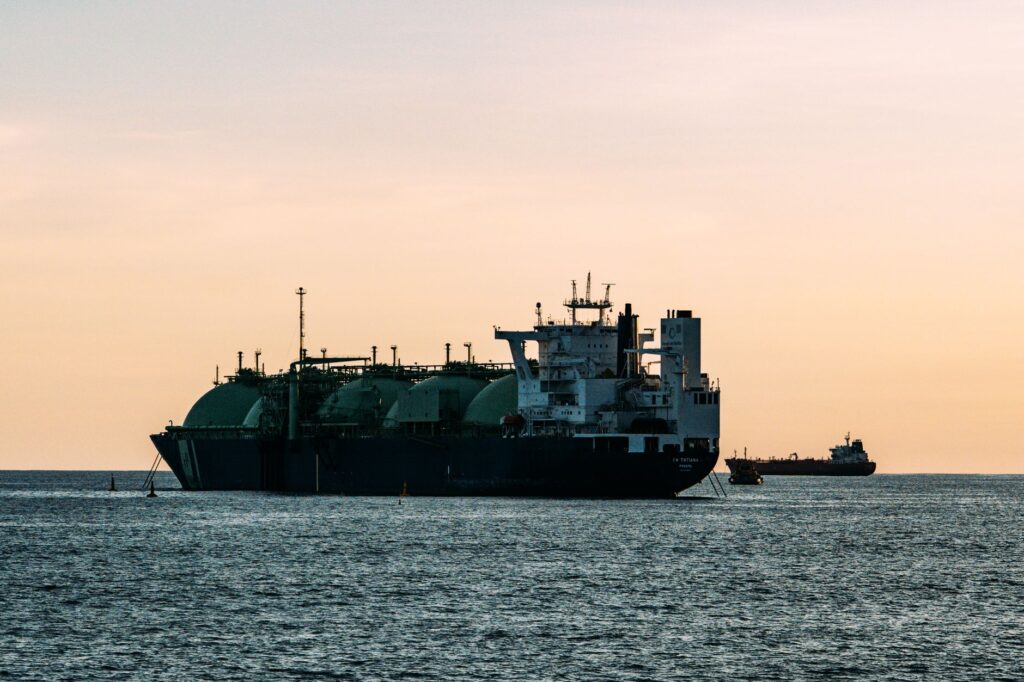

State-owned QatarEnergy is preparing to extend its force majeure declarations on liquefied natural gas (LNG) shipments through mid-October, according to industry sources familiar with the matter. The decision, driven by escalating geopolitical conflict in the Middle East, prolongs unexpected supply disruptions for major energy buyers across Europe and Asia. Global energy markets, already bracing for winter heating demand, now face tightened supplies from one of the world’s most critical fuel exporters.
Buyers in both hemispheres expect formal notifications from the Qatari state developer in the coming days. The extension represents a continuation of logistical hurdles that have plagued the Persian Gulf exporter since regional tensions flared, impacting key maritime transit corridors. QatarEnergy has not yet issued an official public statement regarding the specific volume of cargoes affected.
Background on Qatar’s LNG Dominance and Force Majeure
Qatar ranks as one of the top three global exporters of liquefied natural gas, alongside the United States and Australia. The nation’s massive North Field expansion project aims to boost its production capacity from 77 million metric tons per year to 142 million tons by the end of the decade. This vast resource base makes Qatar a cornerstone of energy security for nations transitioning away from coal and Russian pipeline gas.
A force majeure is a standard legal clause in energy contracts that allows suppliers to suspend or modify their delivery obligations due to circumstances beyond their control. In this instance, the ongoing conflict in the Middle East has severely disrupted shipping safety in the Red Sea and the Gulf of Aden. Consequently, Qatari LNG vessels have had to alter their traditional routes, leading to significant logistical bottlenecks.
Disrupted Shipping Routes and Supply Chain Friction
The primary driver behind the force majeure extension is the forced rerouting of Qatar’s specialized LNG carrier fleet. To avoid the high-risk waters of the southern Red Sea, Qatari tankers are bypassing the Suez Canal entirely. Instead, they are navigating around Africa’s Cape of Good Hope, a detour that adds up to two weeks to the journey to European ports.
This longer voyage not only delays deliveries but also increases fuel consumption and operational costs for the shipping fleet. The extended transit times effectively reduce the availability of active vessels, creating a secondary shortage of shipping capacity. Marine tracking data indicates that dozens of Qatari LNG carriers have been diverted since the shipping crisis began, disrupting tightly scheduled delivery windows.
Impact on European and Asian Markets
The timing of the extended force majeure is particularly challenging for European utilities. Although European gas storage facilities are currently filled to approximately 93% capacity, the continent remains highly vulnerable to supply shocks. The loss of stable Qatari volumes ahead of the high-demand winter season could force European buyers to draw down their reserves faster than anticipated.
In Asia, where spot market prices are highly sensitive to supply disruptions, buyers are preparing for increased competition. Japan, South Korea, and Taiwan, which rely heavily on long-term Qatari contracts, may be forced to source replacement cargoes from the expensive spot market. This shift threatens to drive up the Japan Korea Marker (JKM), the benchmark price for spot LNG in Northeast Asia.
Expert Perspectives and Market Data
Energy analysts suggest that the market has partially priced in these disruptions, but warn against complacency. “While high storage levels in Europe offer a temporary cushion, a prolonged Qatari force majeure into the heating season reduces the global supply buffer to razor-thin margins,” said Marcus Haynes, a senior energy analyst at London-based consultancy Vectis Energy. Haynes noted that any sudden cold snap in either Europe or Asia could trigger rapid price spikes.
Data from the International Energy Agency (IEA) highlights that Qatar accounted for nearly 20% of global LNG trade last year. According to shipping consultancy Drewry, the detour around Africa has increased the average round-trip duration for a Gulf-to-Europe LNG delivery by approximately 24 days. This logistical strain is expected to keep global freight rates elevated through the fourth quarter of the year.
Implications for Global Energy Security
The extended force majeure underscores the persistent vulnerability of global energy supply chains to geopolitical choke points. As long-term contract deliveries falter, the reliance on spot market transactions is expected to rise, potentially leading to increased price volatility. This situation may also accelerate efforts by European and Asian nations to diversify their energy portfolios, shifting focus toward North American exporters who offer transit routes free of Middle Eastern geopolitical risks.
In the coming weeks, market participants will closely monitor the transit patterns of Qatar’s shipping fleet and the official communications from Doha. The key indicator to watch will be whether QatarEnergy can secure alternative shipping arrangements or if buyers will begin exercising contractual clauses to source gas from alternative global suppliers. The evolving security situation in the Middle East will ultimately dictate whether these disruptions persist into the peak winter months.