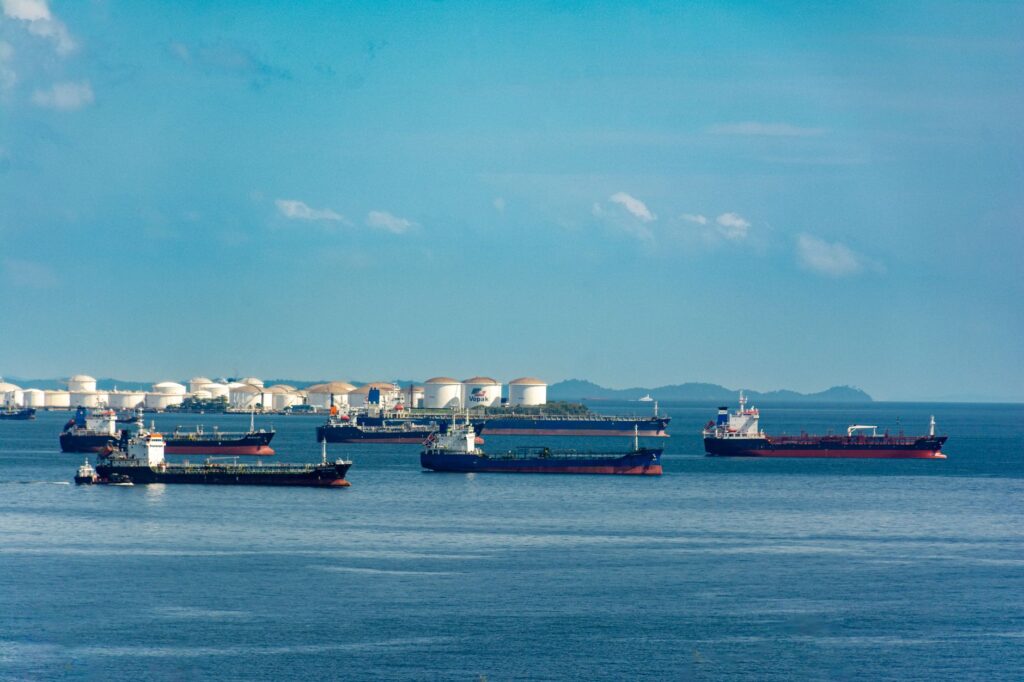

Global oil benchmarks jumped more than two percent on Tuesday as escalating military tensions in the Middle East threatened critical maritime shipping lanes. The price surge followed dual maritime incidents: Yemen’s Houthi rebels claimed responsibility for targeting two commercial vessels in the Red Sea, while Iranian authorities reported a third vessel caught fire near the strategic Strait of Hormuz. These developments have reignited fears of prolonged supply chain disruptions through the world’s most vital energy transit chokepoints.
Geopolitical Chokepoints Under Fire
To understand the current market volatility, one must look at the geography of global energy transit. The Bab al-Mandeb strait off the coast of Yemen and the Strait of Hormuz near Iran are critical bottlenecks for global commerce. Approximately 20 percent of the world’s petroleum liquids pass through the Strait of Hormuz daily, making it the most important oil transit channel in the world. The Red Sea, leading to the Suez Canal, handles roughly 12 percent of global trade, including millions of barrels of crude oil per day.
Recent months have seen a steady militarization of these waters. Houthi militants, aligned with Iran, have launched dozens of drone and missile strikes against international shipping since late last year, ostensibly in solidarity with Palestinians in Gaza. The latest attacks signal a dangerous expansion of this maritime conflict, drawing in direct Iranian involvement and escalating risks for commercial shipping companies operating in the region.
Dual Attacks Stun Maritime Markets
The latest escalation began early Tuesday morning when the United Kingdom Maritime Trade Operations (UKMTO) received reports of explosions near a container ship transiting the southern Red Sea. Shortly after, Houthi military spokesperson Yahya Saree confirmed the group had targeted two bulk carriers with naval missiles and drones, claiming the vessels had ties to nations supporting Israel. Military officials confirmed that while the ships sustained minor damage, no casualties were reported.
Simultaneously, state media in Tehran reported that a commercial product tanker caught fire under mysterious circumstances just outside the Strait of Hormuz. While Iranian officials officially attributed the fire to a technical failure, international maritime security firms are treating the incident with high suspicion given the timing and location. The proximity of the fire to Iranian naval bases has raised concerns about potential sabotage or retaliatory actions.
International shipping conglomerates are reacting swiftly to the heightened threat level. Major carriers, including Maersk and Hapag-Lloyd, have instructed their fleets to bypass the Red Sea entirely, opting instead for the longer and more expensive route around Africa’s Cape of Good Hope. This detour adds approximately 10 to 14 days to transit times and significantly increases fuel costs and carbon emissions for global shipping.
Market Reaction and Expert Analysis
Energy analysts warn that the premium on crude oil could rise further if the conflict directly impacts oil production facilities. Brent crude futures rose by $1.85 to settle at $84.20 a barrel, while West Texas Intermediate (WTI) crude increased by $1.90 to $79.80. Insurance underwriters have also responded by raising war-risk premiums for transiting the Red Sea to upwards of 1% of the vessel’s value, up from 0.07% before the conflict began.
“We are seeing a geopolitical risk premium being priced back into the market,” said Helima Croft, Head of Global Commodity Strategy at RBC Capital Markets. Croft noted that while actual physical supply has not yet been severely curtailed, the threat of a wider regional war involving Iran directly is keeping traders on high alert. Analysts at Goldman Sachs suggest that a prolonged closure of the Strait of Hormuz could send oil prices into the triple digits, potentially reaching $110 to $120 per barrel.
The Organization of the Petroleum Exporting Countries (OPEC) and its allies, known as OPEC+, are reportedly monitoring the situation closely. While the coalition has maintained production cuts to support prices, individual member states may face pressure to increase output if supply disruptions materialize. However, spare capacity is heavily concentrated in the Persian Gulf, meaning any disruption in the Strait of Hormuz would also limit OPEC’s ability to deliver oil to global markets.
Economic Implications and Future Outlook
The economic ripple effects of these maritime bottlenecks extend far beyond the energy sector. Higher shipping costs and delayed deliveries are poised to drive up import prices for consumer goods in Europe and North America, potentially complicating central banks’ efforts to curb inflation. Retailers are already warning of potential inventory shortages ahead of the upcoming peak shipping season, as shipping container rates on Asia-to-Europe routes have already doubled.
Looking ahead, market observers will closely monitor the diplomatic and military responses of Western allies. The U.S.-led coalition, Operation Prosperity Guardian, continues to patrol the Red Sea, but its ability to deter asymmetric drone attacks remains under scrutiny. Any further escalation that leads to a prolonged closure of the Strait of Hormuz could trigger a severe global energy shock, forcing governments to tap into strategic petroleum reserves to stabilize domestic fuel prices and protect fragile economic recoveries.