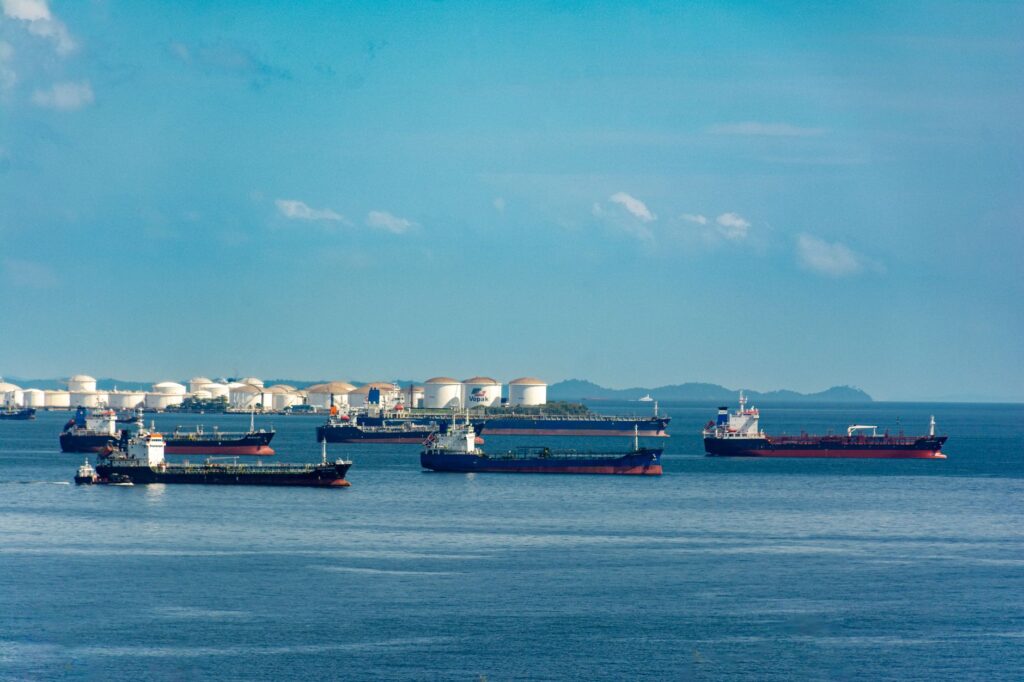

Japan’s trade deficit widened to 364.3 billion yen (approximately $2.5 billion) last month as the yen plummeted to its lowest level against the U.S. dollar since 1986. This severe currency depreciation has forced a dramatic realignment of the resource-scarce nation’s energy supply chain, marked by a massive surge in crude oil imports from the United States.
Understanding Japan’s Currency and Energy Dilemma
As an island nation that imports over 90% of its energy resources, Japan is uniquely vulnerable to fluctuations in global currency and commodity markets. The Japanese yen’s prolonged slide, driven primarily by the wide interest rate gap between the Bank of Japan and the U.S. Federal Reserve, has significantly inflated the cost of importing essential fossil fuels.
Historically, Tokyo has relied heavily on West Asia for its petroleum needs, with countries like Saudi Arabia and the United Arab Emirates supplying the vast majority of its crude. However, the soaring cost of dollar-denominated imports has prompted Japanese trading houses and refiners to aggressively diversify their portfolios to mitigate financial risk and secure more favorable pricing structures.
The Massive Pivot to American Crude
According to recent trade data compiled by Bloomberg, Japan executed an unprecedented pivot in its energy purchasing patterns over the last quarter. While imports from West Asia declined, purchases of American crude oil experienced explosive growth.
The value of U.S. oil imports into Japan soared by roughly 900% compared to the same period last year. Simultaneously, the physical volume of these imports climbed by 460%, signaling a structural shift rather than a temporary market anomaly.
This shift highlights the growing competitiveness of U.S. West Texas Intermediate (WTI) crude in Asian markets. The abundance of shale oil production in the United States, combined with flexible shipping terms, has made American energy an increasingly attractive alternative for Japanese buyers struggling with a weakened currency.
Economic Pressures and Market Reactions
Market analysts point out that the widening trade deficit poses a severe challenge to Japan’s broader economic recovery. While a weak yen traditionally boosts the competitiveness of Japanese exporters like automotive and electronics giants, the soaring cost of imported raw materials and energy threatens to wipe out these corporate gains.
The domestic impact is already visible, as rising utility bills and fuel costs squeeze household budgets and small businesses. Economists warn that persistent trade deficits could further drag down gross domestic product (GDP) growth, offsetting the benefits of recent wage hikes negotiated by major labor unions.
“The structural deficit reflects the pain of imported inflation,” said Takeshi Minami, chief economist at Norinchukin Research Institute. “As long as energy prices remain high in yen terms, the trade balance will remain under severe pressure, dampening domestic consumption.”
Refinery Logistics and Strategic Challenges
The transition to U.S. crude is not without technical and logistical hurdles for Japanese refiners. Most refineries in Japan were historically engineered to process the heavier, sour crude grades typical of West Asian producers.
U.S. crude, which is predominantly light and sweet, requires different refining configurations. To accommodate the sudden influx of American oil, Japanese energy companies have had to adjust their refining operations and blending strategies, incurring additional short-term operational costs.
Furthermore, shipping routes from the U.S. Gulf Coast to Japan are significantly longer than those from the Persian Gulf, requiring complex transit through the Panama Canal or around the Cape of Good Hope. Despite these logistical hurdles, the geopolitical and economic necessity of reducing reliance on West Asia has overridden operational preferences.
What to Watch Next
Moving forward, market observers will closely monitor whether this shift to U.S. energy is a permanent structural realignment or a temporary hedge. Key factors will include the future trajectory of the Federal Reserve’s interest rate policy, which could help strengthen the yen and reduce import costs if rates begin to fall.
Additionally, the upcoming policy decisions by the Bank of Japan will be critical. Any aggressive rate hikes by Tokyo could stabilize the yen, potentially shifting the cost-benefit analysis back in favor of traditional West Asian suppliers.
Finally, the capacity of U.S. exporters to sustain these high-volume shipments to Asia will test the limits of American Gulf Coast infrastructure. Analysts are watching terminal capacity and shipping freight rates to see if the U.S. can maintain its newfound dominance in Japan’s energy mix.