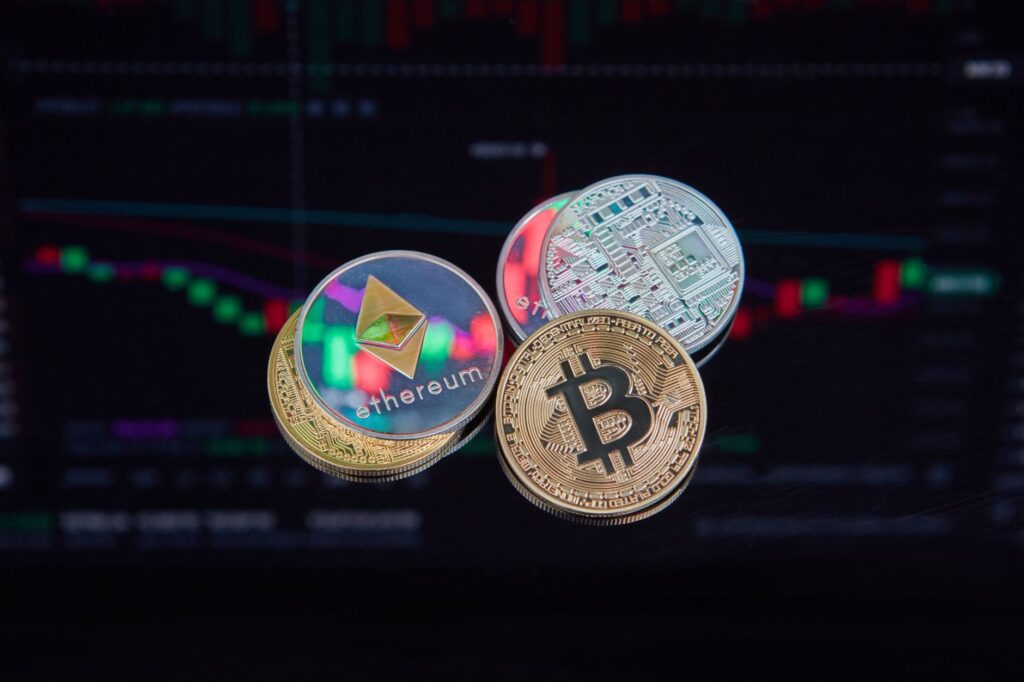

Cryptocurrency Markets Overview
Digital asset markets on Thursday, August 27, 2026, display notable resilience. Although major tokens currently trade below their recent peak valuations, the broader market structure suggests underlying strength rather than a major downturn.
Investors monitoring the leading digital currencies note that prices are holding steady at key support levels. This stability comes after a period of aggressive volatility that saw speculative capital flow rapidly into and out of the sector.
Understanding Bitcoin Price Action
Bitcoin continues to serve as the primary bellwether for the entire digital asset ecosystem. Market participants closely watch its trajectory to gauge institutional sentiment and macroeconomic influences.
While the leading cryptocurrency has retreated from its all-time highs, it refuses to break below critical technical thresholds. Analysts point to sustained accumulation by long-term holders as a primary factor preventing deeper retracements.
Institutional involvement remains a steady pillar of support. Corporate treasuries and exchange-traded fund inflows provide a robust baseline of demand that was entirely absent during previous market cycles.
Ethereum Valuation and Utility
Ethereum exhibits a similar pattern of behavior. The second-largest digital asset by market capitalization maintains a firm footing despite pulling back from its recent local peaks.
Network activity remains robust, driven by ongoing adoption of decentralized finance applications and layer-two scaling solutions. These fundamental use cases provide intrinsic value that helps insulate the token from pure speculative sell-offs.
Furthermore, staking participation continues to lock up a significant percentage of the circulating supply. This reduction in available liquid tokens creates a natural supply squeeze during periods of steady or increasing demand.
Broader Economic Factors
Macroeconomic conditions play a critical role in shaping current cryptocurrency valuations. Central bank monetary policies, inflation data, and traditional market performance heavily influence trader risk appetite.
Despite ongoing regulatory scrutiny and shifting global interest rate expectations, digital assets have maintained a degree of independence. Investors increasingly view them as legitimate alternative portfolio components rather than transient speculative plays.
Foreign exchange fluctuations and geopolitical developments also contribute to daily price discovery. However, the overarching trend points toward gradual maturation and integration into mainstream financial systems.
Outlook for Market Participants
Navigating the current market environment requires patience and a clear understanding of risk management. Short-term price fluctuations often obscure the longer-term structural improvements taking place across the blockchain industry.
Traders looking at the charts should focus on volume profiles and macro indicators rather than emotional reactions to daily red candles. Both Bitcoin and Ethereum have demonstrated the capacity to absorb selling pressure and establish higher floors over time.
As the year progresses, market observers will monitor whether these holding patterns act as a springboard for future upward momentum or merely a consolidation phase before the next major directional move.