



Tesla officially announced on Monday its entry into the Middle East market, marking a significant strategic shift for the automaker by establishing its first direct commercial operations in the United Arab Emirates. This expansion signals a pivotal moment for the electric vehicle (EV) industry, as the company targets one of the world’s most oil-dependent regions to accelerate the global transition to sustainable energy.
A Strategic Pivot in Energy Markets
The decision to enter the UAE comes as the nation aggressively pursues the ‘UAE Energy Strategy 2050,’ which aims to increase the contribution of clean energy in the total energy mix to 50 percent. By establishing a physical presence in the UAE, Tesla aligns its growth trajectory with the regional government’s mandate to reduce carbon emissions and diversify the economy away from hydrocarbon dependency.
Historically, the Middle East has remained a challenging territory for EV manufacturers due to high temperatures, which can impact battery performance, and a lack of existing charging infrastructure. Tesla’s arrival is expected to catalyze investment in high-speed charging networks across the region, potentially overcoming the ‘range anxiety’ that has previously deterred local consumers.
Infrastructure and Market Integration
Tesla’s entry involves more than just vehicle sales; it requires a comprehensive ecosystem of service centers and its signature Supercharger network. Industry analysts suggest that the company will leverage its direct-to-consumer sales model to bypass traditional dealership networks, a strategy that has proven successful in North America and Europe.
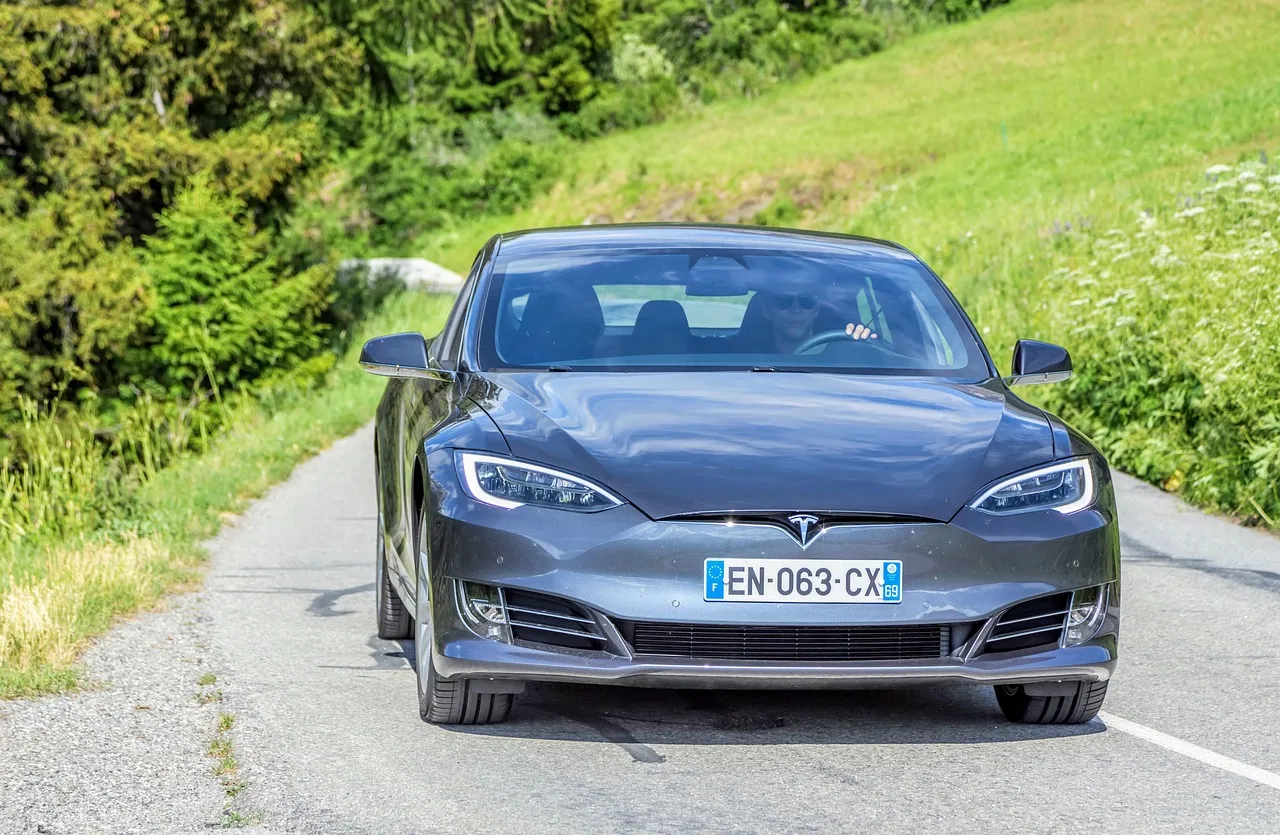
Data from the International Energy Agency (IEA) highlights that while EV adoption in the Middle East has been slower than in China or the European Union, interest in sustainable transport is rising rapidly. The introduction of Tesla’s premium models, including the Model S and Model X, targets the region’s high-income demographic, positioning EVs as a status symbol alongside high-performance luxury vehicles.
Economic and Environmental Implications
The move carries broader economic implications for the automotive sector in the Gulf Cooperation Council (GCC) countries. By introducing advanced software-defined vehicles to the region, Tesla is fostering a tech-forward automotive culture that may encourage other global manufacturers to accelerate their own EV rollouts in the area.
Environmental experts point to the necessity of this move for regional climate goals. With the UAE hosting significant international climate summits, the presence of a leading global EV brand serves as a tangible metric of progress toward decarbonizing the transportation sector.
Future Outlook and Regional Expansion
Market watchers are now looking toward how Tesla will adapt its hardware to handle extreme desert heat and dust, factors that could influence future engineering iterations. The success of this UAE launch will likely serve as a blueprint for further expansion into neighboring markets, including Saudi Arabia and Qatar.
Observers should monitor the development of charging infrastructure density in the coming year, as this will be the primary indicator of long-term scalability. Furthermore, the response from local utility providers regarding grid capacity to support widespread EV charging will remain a critical metric for regional authorities to manage as adoption rates climb.