





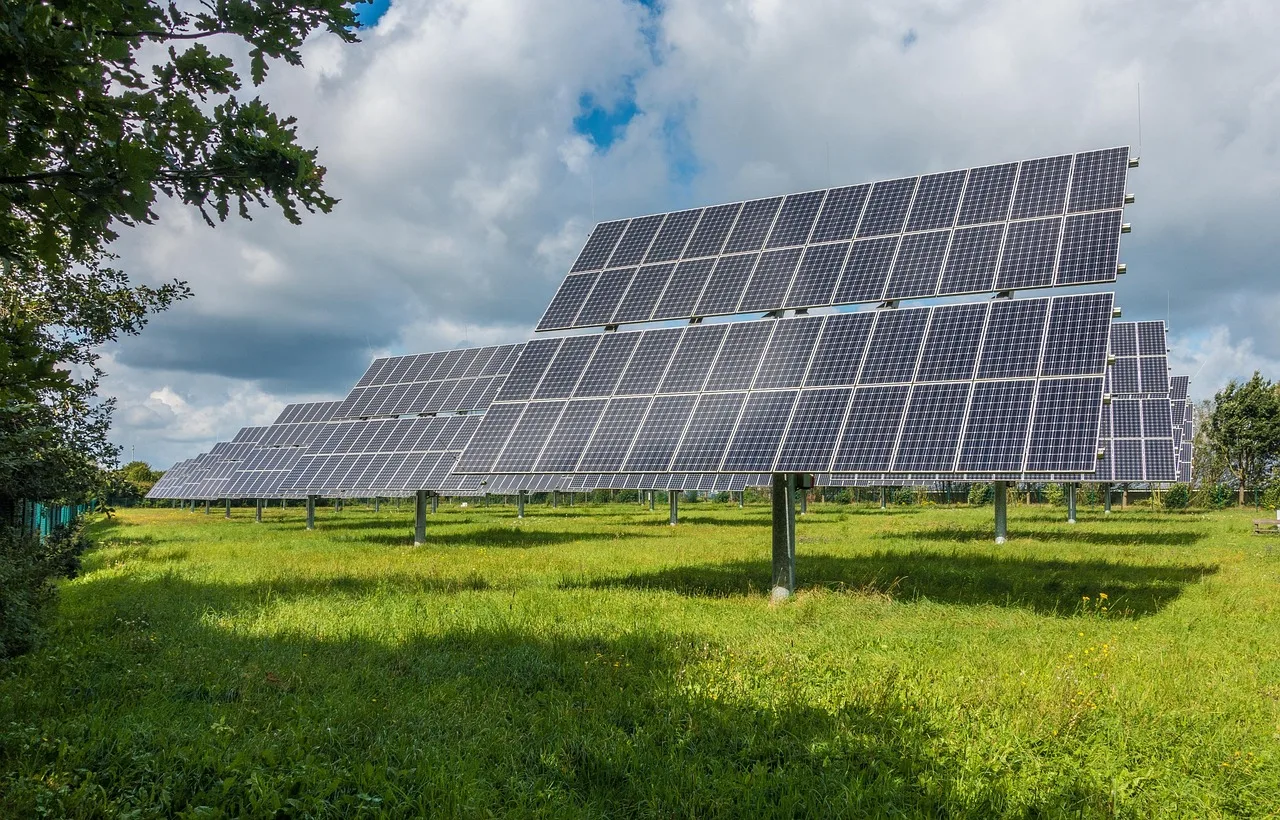
India officially surpassed Japan to become the world’s third-largest solar power generator in 2023, marking a historic shift in the global renewable energy landscape. The data, confirmed by industry analysts, highlights a rapid acceleration in India’s utility-scale projects and distributed solar infrastructure. This transition underscores the nation’s aggressive push to reduce its reliance on coal and meet ambitious net-zero climate goals established at recent global summits.
The Context of India’s Energy Transition
For over a decade, India has aggressively incentivized solar energy through the National Solar Mission. By streamlining land acquisition policies and offering production-linked incentives, the government has successfully attracted billions in foreign investment. Japan, conversely, has faced geographical constraints that limited the expansion of large-scale solar parks, allowing India’s vast land reserves and favorable solar irradiation to provide a competitive advantage.
Technological Drivers and Floating Solar Innovation
A significant contributor to this rapid expansion is the deployment of floating solar photovoltaic (FPV) technology. By installing solar panels on reservoirs, lakes, and dam surfaces, India has bypassed traditional land-use conflicts while simultaneously increasing panel efficiency through the cooling effect of the water. These installations are becoming a cornerstone of the national energy strategy, particularly in regions where land is either expensive or reserved for agricultural use.
Economic and Industrial Impact
Industry experts observe that the shift toward solar dominance is reshaping India’s power sector economics. According to the International Energy Agency (IEA), the levelized cost of electricity (LCOE) from solar in India is now among the lowest in the world, often undercutting coal-fired power plants. This cost-competitiveness is driving heavy industrial users to switch to renewable power purchase agreements, further stabilizing the demand for new solar capacity.
Expert Perspectives on Renewable Growth
“India’s ascent to the third position is not merely a statistical milestone but a signal to global markets that renewables are now the primary engine of development,” says Dr. Anjali Mehta, a renewable energy analyst. Data from the Ministry of New and Renewable Energy indicates that India added over 15 gigawatts of solar capacity in 2023 alone. Analysts suggest that the combination of private sector innovation and government-backed infrastructure grants has created a robust ecosystem for sustainable growth.
Future Implications and What to Watch
The transition creates a new benchmark for emerging economies looking to decouple economic growth from carbon emissions. As India eyes the second-place spot currently held by the United States, the industry will watch closely for developments in battery storage technology and grid modernization. Future progress will likely depend on the successful integration of decentralized solar grids and the scaling of domestic manufacturing for high-efficiency solar cells, which remain critical bottlenecks for long-term dominance.